
Loading...
Loading...





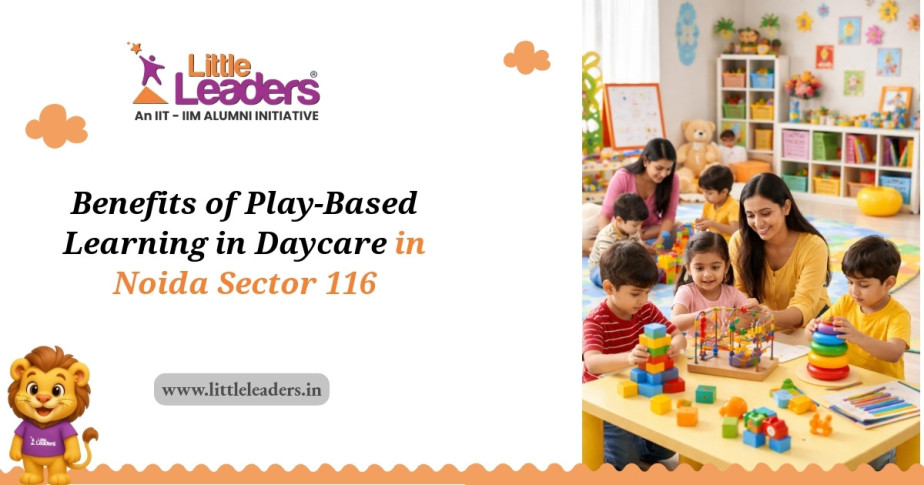
Many parents in Noida Sector 116 believe that structured lessons and early academics are the only ways to prepare their little ones for school success. But what if the real secret lies in something far more natural and joyful? Play-based learning in daycare settings is often misunderstood as just fun and games, yet research and real-life experiences show itâs a powerful foundation for your childâs growth. Imagine your child, like 3-year-old Aarav, who lights up when building towers with blocks, unknowingly sharpening his problem-solving skills and hand-eye coordination. This article will uncover the true benefits of play-based learning in daycare in Noida Sector 116, helping you see why this approach is more than just play. Youâll discover how it supports your childâs development, builds essential skills, and creates a happy, confident learner ready for the world ahead.
Play-based learning is not just free play; itâs a carefully designed environment where children explore, experiment, and discover through activities that feel like play. In daycares around Noida Sector 116, educators guide children to engage with materials and peers in ways that spark curiosity and creativity. For example, when children play with water tables or sand, theyâre learning about cause and effect, textures, and even early math concepts like volume and measurement. This hands-on approach allows children to engage with their surroundings actively, making learning an enjoyable experience.
This approach respects each childâs pace and interests, making learning deeply personal and meaningful. Itâs a far cry from rote memorization or sitting still for long periods, which can be tough for young childrenâs developing brains and bodies. By incorporating elements like storytelling, music, and art into play, daycares create a rich tapestry of learning experiences that cater to various learning styles.
When your child plays, their brain is hard at work forming connections. Play-based learning encourages problem-solving, language development, and memory skills. Take 4-year-old Meera, who loves role-playing as a shopkeeper in her daycareâs pretend market. Through this play, she practices counting money, using new vocabulary, and negotiating with friends â all critical cognitive skills wrapped in a fun activity. This kind of imaginative play not only enhances her cognitive abilities but also fosters creativity and critical thinking.
Studies show that children engaged in play-based learning have better attention spans and perform well in later academic tasks. The hands-on nature of play helps children understand abstract concepts by linking them to real-world experiences, making learning stick. For instance, when children engage in building projects with blocks, they are not just stacking; they are learning about balance, gravity, and spatial awareness.
Daycare in Noida Sector 116 that embraces play-based learning also nurtures your childâs social skills and emotional intelligence. Sharing toys, taking turns, and resolving conflicts during play teach empathy and cooperation. For instance, when Aarav and his friends build a block tower together, they learn patience and teamwork â skills that will serve them throughout life. These interactions are crucial as they help children navigate social dynamics and develop strong interpersonal skills.
Play also provides a safe space for children to express feelings and build confidence. When children feel emotionally secure, theyâre more willing to take on new challenges and explore their environment. Activities like group games or collaborative art projects encourage children to communicate their thoughts and feelings, fostering a sense of community and belonging.
Active play is essential for developing fine and gross motor skills. In play-based daycares, children climb, jump, draw, and manipulate objects, which strengthens muscles and coordination. For example, Meeraâs daily art sessions where she cuts and pastes shapes help refine her hand dexterity, preparing her for writing tasks later on. Additionally, outdoor play areas equipped with climbing structures and slides promote gross motor development, enhancing balance and coordination.
Physical activity during play also supports overall health and well-being, helping children build stamina and body awareness in a joyful way. Incorporating activities like dance, yoga, or obstacle courses into the daily routine can further enhance physical development while keeping children engaged and excited.
Not all daycares are created equal when it comes to play-based learning. Look for centers that prioritize child-led activities, have trained educators who understand developmental milestones, and provide a rich variety of materials and spaces for exploration. Visiting a daycare and observing how children interact can give you a clear sense of whether play is truly integrated into the daily routine. Additionally, inquire about their curriculum and how they incorporate play into learning objectives.
Remember, the benefits of play-based learning in daycare in Noida Sector 116 extend beyond the classroom. They lay the groundwork for lifelong skills and a love of learning that will carry your child through school and beyond. Consider checking out local resources like LittleLeaders.in for insights and recommendations on the best daycare options in your area.
Supporting your childâs play-based learning doesnât stop at daycare doors. You can create a playful learning environment at home by providing open-ended toys, encouraging imaginative play, and joining in their activities. For example, setting up a simple pretend kitchen or nature scavenger hunt can extend the learning your child experiences in daycare. Toys like building blocks, art supplies, and even simple household items can be transformed into tools for creativity and exploration.
Engage with your childâs interests and ask open-ended questions to deepen their thinking. This partnership between home and daycare enriches your childâs development and strengthens your bond. Consider scheduling regular family playtime where everyone participates in games or creative projects, reinforcing the idea that learning can be fun and collaborative.
As children move from toddlers to preschoolers and beyond, play-based learning evolves to match their growing abilities. Younger children focus on sensory exploration and motor skills, while older kids engage in more complex role play and problem-solving. Daycares in Noida Sector 116 that follow this approach adapt activities to keep your child challenged and excited. For instance, as children grow, they might transition from simple block building to more intricate engineering projects that require planning and teamwork.
Understanding this progression helps you appreciate the long-term benefits and stay involved in your childâs learning journey. Regularly communicating with daycare educators about your childâs interests and development can provide valuable insights into how you can further support their learning at home.
Play-based learning encourages children to communicate with peers and teachers during activities, expanding vocabulary and conversational skills naturally through interaction and storytelling. Activities like puppet shows or group storytelling sessions can significantly enhance language development.
Yes, it builds foundational skills like problem-solving, social interaction, and self-regulation that are essential for success in formal education settings. Children who engage in play-based learning often transition more smoothly into structured learning environments.
Choose a daycare with trained educators, a variety of play materials, and a curriculum that emphasizes child-led exploration and creativity. Look for centers that provide ample outdoor playtime and have a flexible schedule that allows for spontaneous learning opportunities.
Imagine your child thriving in a daycare where learning feels like play, where every day brings new discoveries and joyful growth. Thatâs the promise of play-based learning in Noida Sector 116. To take the next step, visit local centers, ask questions, and observe how children engage. LittleLeaders.in is here to guide you with trusted information and resources to help you make the best choice for your family. Your childâs bright, confident future starts with the right foundation today.