
Loading...
Loading...

Nullam dignissim, ante scelerisque the is euismod fermentum odio sem semper the is erat, a feugiat leo urna eget eros. Duis Aenean a imperdiet risus.




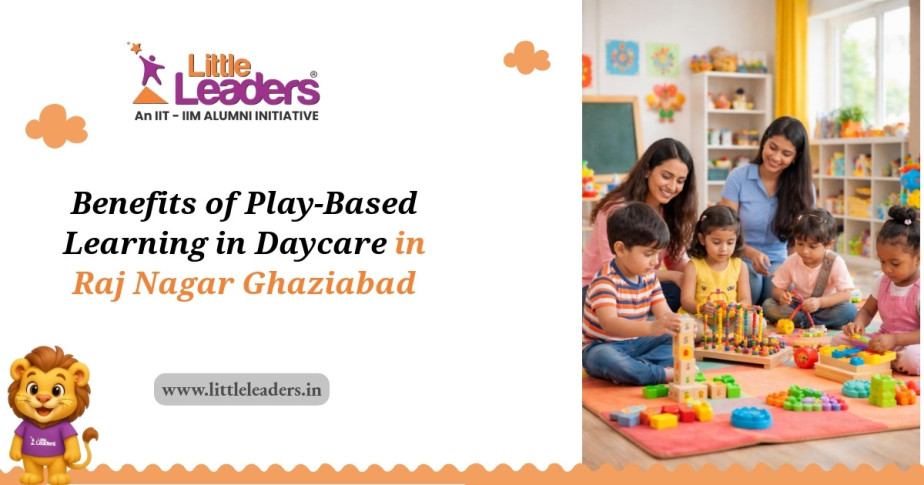
Many parents in Raj Nagar Ghaziabad believe that structured lessons and strict routines are the best ways to prepare their little ones for school. But what if the real magic happens when children are simply allowed to play? Play-based learning in daycare settings is often misunderstood as just 'fun and games,' yet it holds powerful benefits that shape your child's development in ways formal teaching cannot. This approach fosters creativity, critical thinking, and social skills that are essential for lifelong learning.
Take Aarav, a curious three-year-old at a local daycare. Instead of sitting through repetitive drills, he spends his mornings exploring blocks, painting, and interacting with friends. These activities might look like play, but they are building his problem-solving skills, social confidence, and creativity. This article will show you how play-based learning in daycare in Raj Nagar Ghaziabad supports your child's growth, what to expect from such programs, and how to choose the right daycare that embraces this approach. By the end, you will understand why play is not just an activity, but a vital part of your child's education.
Play-based learning is a child-centered approach where play is the primary method for learning. Unlike traditional daycare models that focus on rote memorization or passive listening, this method encourages children to engage actively with their environment. In Raj Nagar Ghaziabad, many daycares are adopting this approach because research shows it enhances cognitive, emotional, and physical development simultaneously. For instance, studies have shown that children in play-based environments score higher in creativity and problem-solving assessments.
For example, when children like Aarav build towers with blocks, they are not only improving fine motor skills but also learning concepts like balance, gravity, and spatial awareness. Socially, they negotiate turns and share ideas, which strengthens communication and empathy. This holistic development is why play-based learning is gaining traction among parents who want their children to thrive beyond academics. Daycare centers like Little Leaders in Raj Nagar Ghaziabad exemplify this approach, offering various play materials that stimulate learning through exploration.
One of the biggest benefits of play-based learning in daycare in Raj Nagar Ghaziabad is how it nurtures emotional intelligence. Children learn to express feelings, manage frustrations, and develop resilience through guided play. For instance, when Aarav and his friends encounter a disagreement over a toy, their caregiver helps them navigate the conflict, teaching patience and problem-solving. This method not only resolves immediate issues but also equips children with skills to handle future conflicts.
These early social experiences lay the groundwork for healthy relationships later in life. Daycares that emphasize play create safe spaces where children feel valued and understood, which boosts self-esteem. This emotional foundation is just as crucial as academic skills for long-term success. Engaging in group activities like cooperative games or role-playing scenarios further enhances these skills, allowing children to practice empathy and teamwork in a fun environment.
Finding a daycare in Raj Nagar Ghaziabad that truly embraces play-based learning can feel overwhelming. Look for centers where classrooms buzz with activity, materials are accessible, and teachers facilitate rather than dictate. Visit during playtime to observe how children interact and how staff guide their exploration. Pay attention to the variety of play materials available, such as art supplies, building blocks, and sensory bins, which are crucial for a rich play-based experience.
Ask about the daily scheduleâdoes it allow for uninterrupted play? Are activities varied to include sensory, imaginative, and physical play? Also, inquire about how caregivers communicate with parents about their child's progress through play observations rather than test scores. These signs indicate a genuine commitment to play-based learning. Additionally, consider visiting websites like littleleaders.in to gather insights and reviews from other parents about local daycare options.
Aaravâs mother noticed a remarkable change after enrolling him in a play-based daycare in Raj Nagar Ghaziabad. Initially shy and hesitant, Aarav began to open up, eagerly sharing stories and ideas during circle time. His vocabulary expanded, and he developed a love for storytelling through puppet play. His confidence soared as he mastered new skills at his own pace. This transformation highlights how play-based learning respects each child's unique rhythm and interests.
Moreover, Aarav's interactions with peers during playtime helped him develop critical social skills. He learned to collaborate on projects, such as building a fort with his friends, which required communication and compromise. This type of experiential learning is invaluable, as it prepares children for real-world situations where teamwork and negotiation are essential.
You can extend the benefits of play-based learning beyond daycare by creating a playful environment at home. Simple activities like building with blocks, drawing, or role-playing everyday scenarios encourage creativity and problem-solving. Avoid over-scheduling your child; instead, allow time for free play where they lead the activity. For instance, set aside an hour each day for unstructured playtime, allowing your child to choose their activities freely.
Engage with your child during play by asking open-ended questions like, What are you building? or How does this feel? This interaction deepens their thinking and language skills. Supporting play at home reinforces what they experience in daycare and strengthens your bond. Additionally, consider incorporating educational toys like LEGO sets or art supplies that encourage creativity and exploration.
Daycares in Raj Nagar Ghaziabad that focus on play-based learning typically design their curriculum around themes that integrate multiple skills. For example, a theme on 'nature' might include outdoor exploration, art projects using leaves, and storytelling about animals. This approach keeps learning dynamic and connected to real life. Children are encouraged to ask questions and explore their interests, leading to a more personalized learning experience.
Teachers observe children closely to tailor activities that challenge and interest them. Progress is measured through portfolios, photos, and anecdotal notes rather than tests. This method respects the developmental pace of each child and celebrates small victories. Parents can expect regular updates on their child's progress, including photos of their play activities and insights into their learning journey.
Parents play a vital role in reinforcing play-based learning. Many daycares in Raj Nagar Ghaziabad invite parents to participate in special play days or workshops that explain the philosophy behind this approach. Staying informed helps you advocate for your child's needs and appreciate the value of play in their education. Engaging in these activities not only enhances your understanding but also strengthens the community around your child's learning.
Sharing observations from home and daycare creates a consistent support system for your child. When parents and caregivers collaborate, children benefit from a seamless learning experience that nurtures curiosity and confidence. Consider joining parent-teacher meetings or online forums to discuss strategies for supporting play-based learning at home.
Play-based learning encourages children to communicate, narrate stories, and interact with peers, which naturally enhances vocabulary and conversational skills. In daycare settings, children like Aarav practice language through role-play and group activities, making learning engaging and effective. Activities such as storytelling circles or puppet shows provide opportunities for children to express themselves and develop their language abilities.
Absolutely. Play-based learning builds critical thinking, social skills, and emotional regulation, all essential for school readiness. Children develop a love for exploration and problem-solving that supports academic success once formal lessons begin. Moreover, the skills acquired through playâsuch as collaboration and communicationâare invaluable in a classroom setting.
Observe if the daycare environment is rich with accessible materials and if children are actively engaged in self-directed activities. Ask staff about their teaching methods and how they assess progress through play. Genuine play-based programs prioritize child-led exploration over rigid schedules. Look for signs of creativity and engagement in children's activities, as well as a supportive atmosphere that encourages risk-taking and exploration.