
Loading...
Loading...

Nullam dignissim, ante scelerisque the is euismod fermentum odio sem semper the is erat, a feugiat leo urna eget eros. Duis Aenean a imperdiet risus.




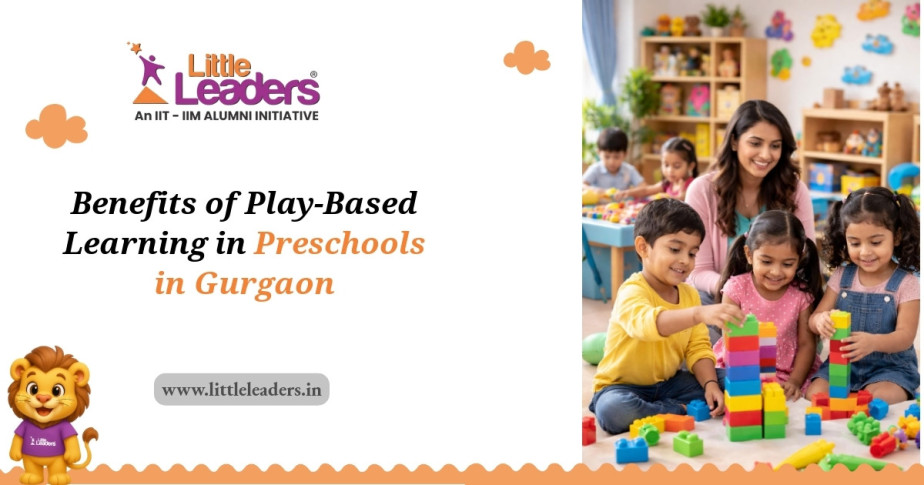
Many parents in Gurgaon believe that preschool education is all about structured lessons and early academics. But what if the real magic lies in play? The benefits of play-based learning in preschools in Gurgaon are often underestimated, yet this approach is transforming how young children grow, learn, and thrive. Instead of rows of desks and rote memorization, imagine classrooms buzzing with curious toddlers exploring, experimenting, and discovering through play. In fact, studies have shown that children who engage in play-based learning exhibit higher levels of creativity and problem-solving skills, essential for their future success.
In this article, youâll uncover why play-based learning isnât just funâitâs a powerful foundation for your childâs development. From boosting creativity to building social skills, youâll see how this method fits perfectly with the needs of young learners in Gurgaonâs vibrant preschool scene. As we delve deeper, youâll find practical tips and real-world examples to help you understand how to maximize the benefits of this innovative educational approach.
Play-based learning is more than just free time; itâs a carefully designed approach where play drives the learning process. In preschools across Gurgaon, this means children engage in activities that spark imagination, problem-solving, and collaboration. Instead of passively listening, your child becomes an active participant, learning concepts naturally through hands-on experiences. For instance, a simple block-building activity can teach spatial awareness, counting, and teamwork, all while children are having fun.
This method respects how young brains developâthrough exploration and interaction rather than formal instruction. Itâs a shift from traditional teaching to a child-centered environment that nurtures curiosity and confidence. Educators at preschools like Little Leaders emphasize the importance of creating a rich learning environment that encourages children to explore their interests through play. This not only enhances their learning experience but also fosters a love for education that can last a lifetime.
Take Aarav, a lively 4-year-old in Gurgaon, who used to be shy and hesitant in group settings. His preschoolâs play-based curriculum encouraged him to join role-playing games and group projects. Over weeks, Aaravâs confidence blossomed as he learned to express himself, negotiate with peers, and handle small conflicts independently. These social skills are crucial for lifelong success. Play-based learning creates safe spaces where children practice empathy, cooperation, and communication.
For example, during a group activity where children pretend to run a restaurant, they learn to take turns, share responsibilities, and understand the importance of teamwork. Itâs not just about academics; itâs about shaping emotionally intelligent individuals who can navigate relationships with ease. Parents can support this growth by encouraging playdates or group activities at home, allowing children to practice their social skills in various settings.
Research shows that play stimulates brain development in areas responsible for memory, attention, and problem-solving. In Gurgaonâs preschools, educators use puzzles, storytelling, and sensory play to challenge young minds. When children engage in these activities, they develop critical thinking skills without feeling pressured. For instance, sensory bins filled with rice or water beads help children explore textures and practice fine motor skills. These seemingly simple activities lay the groundwork for reading, writing, and math.
Play-based learning turns cognitive development into an exciting adventure rather than a chore. Schools like Little Leaders incorporate various games and activities that promote cognitive skills, such as memory games and interactive storytelling sessions. Parents can also create similar experiences at home by using everyday items to stimulate their childâs curiosity and problem-solving skills. For example, turning a simple cardboard box into a spaceship can spark imaginative play while enhancing cognitive development.
Not all preschools are created equal when it comes to play-based learning. Look for schools that prioritize child-led activities, have well-trained teachers, and provide a rich variety of materials and outdoor spaces. Visiting classrooms during activity time can give you a real sense of how children interact and learn. Ask about the daily scheduleâdoes it balance guided play with free exploration? Are children encouraged to follow their interests?
The right preschool will make play the heart of learning, ensuring your childâs early years are joyful and meaningful. Schools like Little Leaders focus on creating a nurturing environment where play is integrated into every aspect of learning. They offer various resources, including outdoor play areas and creative arts supplies, to enhance the play-based learning experience. Make sure to inquire about their curriculum and how they assess childrenâs progress through play-based activities.
Extending play-based learning beyond preschool strengthens its benefits. Simple steps like setting up a creative corner with art supplies, encouraging outdoor play, or reading interactive stories can make a big difference. Observe what your child enjoys and provide materials that spark their imagination. For example, when 3-year-old Meera came home excited about a nature scavenger hunt at preschool, her parents created a backyard version. This not only reinforced her learning but also deepened family bonds.
Supporting play at home complements what your child experiences in their Gurgaon preschool and builds a strong foundation for lifelong learning. Consider incorporating educational toys, such as building blocks or art kits, that promote creativity and critical thinking. Additionally, engaging in activities like cooking together can enhance math and science skills while providing a fun bonding experience.
Some parents worry that play-based learning might delay academic progress or lack structure. However, evidence from Gurgaonâs preschools shows the opposite. Children who engage in play-based curricula often enter primary school with stronger language, math, and social skills. Play is not the absence of learning; itâs a different, highly effective way to learn. If youâre concerned, talk to your preschool teachers about how they integrate foundational skills into play activities.
This partnership ensures your childâs growth is balanced and well-rounded. Educators at preschools like Little Leaders are trained to communicate the benefits of play-based learning and how it aligns with academic standards. They can provide insights into how play activities are designed to meet developmental milestones while fostering a love for learning.
As more preschools in Gurgaon embrace play-based learning, the cityâs youngest learners are gaining a head start in a rapidly changing world. This approach prepares children not just academically but emotionally and socially for the challenges ahead. Imagine your child entering school excited, confident, and ready to explore new ideas. Choosing a preschool that values play means investing in a joyful, effective education that respects how children learn best.
LittleLeaders.in offers resources and guidance to help you find the perfect fit for your familyâs needs. Take the next step by visiting a play-based preschool near you or exploring online resources to see this approach in action. Your childâs early years can be a time of wonder, growth, and happinessâstarting with play.
Play-based learning encourages children to interact, share, and solve problems together. This builds communication, empathy, and cooperation skills essential for healthy relationships both in school and beyond. Activities like group games and collaborative projects foster these skills, allowing children to learn from one another.
Look for schools with child-centered activities, trained teachers, and a variety of play materials. Visiting classrooms during playtime helps you see how engaged and happy the children are. Consider schools that offer a balanced curriculum that integrates play with academic learning, ensuring a holistic approach to education.
Absolutely. Children develop critical thinking, language, and motor skills through play, which are foundational for success in formal education settings. The skills acquired through play-based learning translate seamlessly into the structured environment of primary school, giving your child a head start.