
Loading...
Loading...

Nullam dignissim, ante scelerisque the is euismod fermentum odio sem semper the is erat, a feugiat leo urna eget eros. Duis Aenean a imperdiet risus.




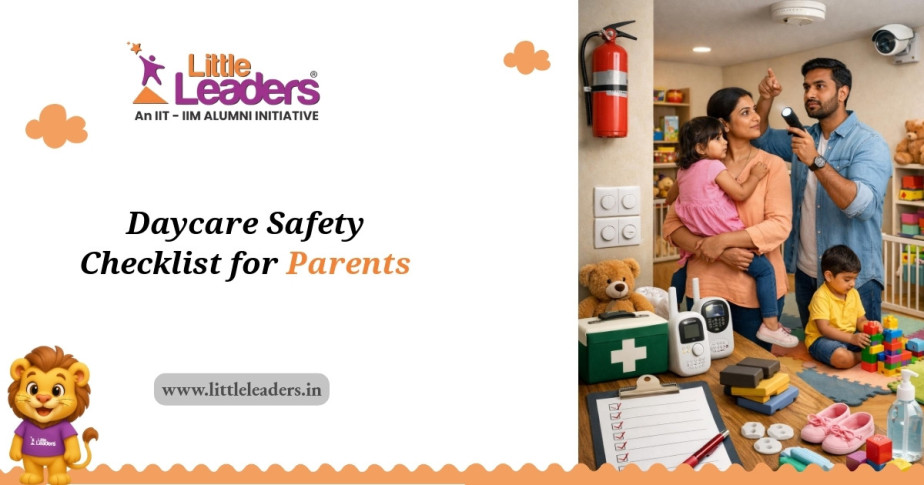
Picture this: the morning sun filters through the curtains as you hustle to get your child ready for daycare. Amidst the rush of finding socks and packing lunches, a nagging thought crosses your mind: is the daycare center truly safe? This is a common concern for many parents, and understanding the daycare safety checklist for parents can provide peace of mind. Imagine the relief of knowing that every detail has been checked and every precaution taken to ensure the safety and well-being of your child.
For parents, the safety of their child is paramount. The thought of leaving your little one in the care of others can be daunting. You might find yourself wondering about the safety protocols in place and whether they are comprehensive enough to protect your child. Consider the story of four-year-old Maya, who was excited to begin her daycare adventure but her mother felt a wave of anxiety each morning as she dropped her off. Understanding the safety measures in place helped ease her worries.
In this guide, you will discover the key elements of a daycare safety checklist. From understanding the facilitys emergency procedures to ensuring the playground is secure, you will walk away with actionable insights to ensure your childs safety. Every parent can benefit from a thorough understanding of what to look for, which can make all the difference in your childs daycare experience.
Explore the sections below to learn more about daycare safety.
Daycare safety standards are guidelines designed to ensure the well-being of children in childcare settings. These standards cover various aspects, including staff-to-child ratios, facility conditions, and emergency protocols. Familiarizing yourself with these standards is crucial. For instance, did you know that the recommended staff-to-child ratio for toddlers is one adult for every six children? This ratio ensures that each child receives adequate attention and supervision. When visiting a daycare, inquire about their compliance with these standards. Ask to see their latest inspection report and discuss any areas of concern. By doing so, you can assess whether the daycare is committed to maintaining a safe environment for your child. Imagine the peace of mind you will feel when you know the daycare meets or exceeds these safety standards.
The physical environment of a daycare plays a significant role in ensuring safety. When evaluating a daycare, pay close attention to the layout and condition of the facility. Are there safety gates at staircases? Are electrical outlets covered? These are essential aspects to consider. Additionally, observe the condition of the playground equipment. Is it well-maintained and age-appropriate? Five-year-old Aanya once fell from a slide that was too steep for her age, resulting in a minor injury. Such incidents highlight the importance of ensuring that playground equipment is suitable for your childs age group. Take a moment to walk around the facility and assess potential hazards. By doing so, you can ensure that the environment is safe for your child to explore and learn. As you walk through the facility, take note of the colors and sounds around you. Are the walls bright and inviting? Do you hear laughter and play? These sensory details can also indicate a positive and safe environment.
One common mistake parents make is overlooking the importance of asking questions during the daycare tour. Many parents tend to focus on the appearance of the facility and the friendliness of the staff, but they forget to inquire about specific safety protocols. For example, parents may assume that all daycares follow the same safety standards without verifying them. To avoid this mistake, prepare a list of questions before your visit. Ask about staff training, emergency procedures, and how they handle illness outbreaks. This proactive approach can help you make an informed decision and ensure that your child will be in a safe environment.
The qualifications and training of daycare staff are critical factors in ensuring your childs safety. Staff members should have the necessary credentials and undergo regular training in first aid and child development. Ask about the qualifications of the staff and whether they participate in ongoing professional development. Seven-year-old Veer learns better when he can pace around the room, and his teachers understanding of diverse learning styles has made a significant difference. This example underscores the importance of having qualified and trained staff who can cater to the unique needs of each child. Additionally, observe how the staff interacts with the children. Are they attentive and responsive? Their ability to engage positively with the children is a key indicator of a nurturing and safe environment. When you notice staff members kneeling to speak with children at eye level, it shows they are invested in creating a trusting relationship.
As children grow, their needs and behaviors change significantly. At age three, children are typically learning to express themselves verbally and may struggle with sharing. A daycare that fosters social skills through structured play can help them develop these crucial abilities. By age five, children are often more independent, and they may begin to explore their environment more actively. It is essential for daycare staff to provide safe spaces for exploration while ensuring that potential hazards are minimized. By age seven, children are more aware of their surroundings and can follow basic safety instructions. Daycares should encourage this independence while maintaining safety protocols. Understanding these developmental stages can help parents choose a daycare that meets their childs evolving needs.
Daycare centers must have comprehensive emergency preparedness plans in place. These plans should cover various scenarios, including fires, natural disasters, and medical emergencies. When evaluating a daycare, inquire about their emergency procedures. Do they conduct regular drills? How do they communicate with parents during an emergency? Understanding these protocols can provide peace of mind. Additionally, check if the daycare has the necessary emergency equipment, such as fire extinguishers and first aid kits. By ensuring that the daycare is prepared for emergencies, you can rest assured that your child will be safe in any situation. Picture a scenario where a fire alarm goes off. The staff should be trained to guide children calmly and efficiently to safety, demonstrating their preparedness.
Maintaining high standards of health and hygiene is crucial in daycare settings. With children being more susceptible to illnesses, it is essential to ensure that the daycare follows strict hygiene protocols. Inquire about their cleaning schedules and how they manage illness outbreaks. Are toys and surfaces cleaned regularly? How do they handle sick children? These are important questions to ask. Additionally, observe whether the staff encourages good hygiene practices among the children, such as handwashing before meals. By ensuring that the daycare prioritizes health and hygiene, you can minimize the risk of your child falling ill. Imagine the sight of children happily washing their hands with soap and water before snack time. This simple act can significantly reduce the spread of germs.
Security is a top concern for parents when choosing a daycare. The facility should have robust security measures in place to protect the children. Inquire about their access control procedures. Are there secure entry points? How do they monitor who enters and exits the facility? These are crucial aspects to consider. Additionally, observe whether the daycare has surveillance cameras and how they use them to enhance security. By ensuring that the daycare has effective security measures, you can have peace of mind knowing that your child is safe from external threats. Imagine a secure entry system that requires a code for parents to access the building. This added layer of security can help prevent unauthorized access.
As your child spends time in daycare, there are specific signs of progress that parents should watch for. These signs can indicate that your child is thriving in their environment. For instance, if your child begins to express excitement about going to daycare, it is a positive indicator that they feel safe and happy. Additionally, observe their social interactions. Are they making friends and engaging in cooperative play? These behaviors suggest that they are developing essential social skills. Another sign to watch for is your childs ability to follow instructions and routines. If they are adapting well to the daycare schedule, it shows that they are comfortable and secure in their surroundings.
Effective communication between parents and daycare staff is vital for ensuring a safe and nurturing environment. Inquire about how the daycare communicates with parents. Do they provide regular updates on your childs progress? How do they handle concerns or feedback from parents? These are important questions to ask. Additionally, consider whether the daycare encourages parent involvement. Can parents participate in activities or provide input on policies? By fostering open communication and parent involvement, the daycare can create a collaborative environment that benefits your childs development. Picture a scene where parents and staff gather for a monthly meeting, discussing the childrens progress and sharing ideas for future activities. This collaboration fosters a strong community.
Picture a world where you drop off your child at daycare with confidence, knowing that every safety measure is in place. Imagine your child laughing and playing with friends in a secure environment, while you feel a sense of relief knowing that you have taken the necessary steps to ensure their safety. This is achievable with the right daycare safety checklist for parents. As your child grows and thrives in a secure environment, you will have peace of mind. Your next step? Visit LittleLeaders.in to explore more resources and connect with other parents who share your concerns.
When evaluating a daycare safety checklist, focus on staff qualifications, emergency procedures, physical environment, health and hygiene protocols, and security measures. These elements ensure a comprehensive approach to safety. Be proactive in asking questions and gathering information to make an informed decision.
Daycares should conduct emergency drills at least twice a year. Regular drills help staff and children become familiar with procedures, ensuring a swift and organized response during actual emergencies. It is also beneficial for parents to inquire about the specifics of these drills to understand how prepared the daycare is.
Parents play a crucial role in daycare safety by actively communicating with staff, staying informed about policies, and participating in safety reviews. Their involvement ensures that the daycare maintains high safety standards. Parents should feel empowered to voice concerns and suggestions, contributing to a safer environment for all children.
To ensure your child is comfortable in daycare, establish a consistent drop-off routine and communicate openly with them about what to expect. Encourage them to express their feelings and check in regularly with the staff to understand how they are adjusting. Building a positive relationship with the daycare staff can also help your child feel more secure.
If you have concerns about your childs daycare, it is essential to address them promptly. Start by discussing your concerns with the daycare staff or director. Be clear about your observations and ask for their perspective. If the issue is not resolved, consider reaching out to local regulatory agencies to understand your options. Your childs safety and well-being should always be the top priority.