Loading...
Loading...





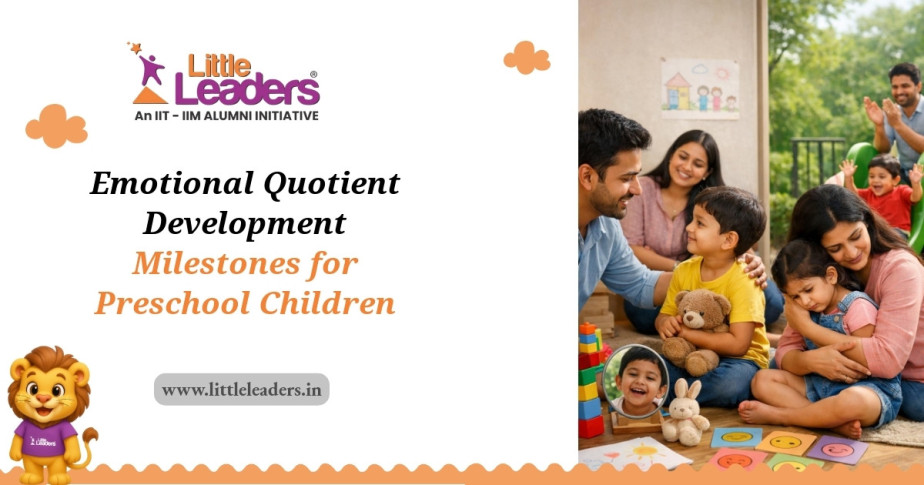
Imagine the bustling energy of a preschool classroom, where children are not only learning their ABCs but also navigating the complex world of emotions. As they play and interact, they are achieving emotional quotient development milestones crucial for their growth. These milestones are not just abstract concepts; they are tangible skills that shape how children understand and express emotions, paving the way for their future relationships and success. The laughter, the cries, and the shouts of joy are all part of their emotional journey, reflecting their evolving understanding of feelings.
Parents often find themselves wondering about the emotional development of their preschool children. How can you tell if your child is progressing well emotionally? What are the signs that your child is on the right track? These questions can keep you up at night, searching for answers and reassurance. The emotional landscape of a child can be as intricate as a painting, filled with vibrant colors and occasional dark spots. Understanding this landscape is essential for parents.
By understanding the emotional quotient development milestones for preschool children, you will gain insights into your childs emotional world. This guide will provide practical advice, real-life examples, and a clearer understanding of what to expect as your child grows. Let us unravel the emotional journey of preschoolers together, exploring the milestones they achieve and the challenges they face.
Explore the sections below to understand the emotional development of your preschool child.
Emotional quotient, often referred to as EQ, is the ability to recognize, understand, and manage our own emotions as well as the ability to recognize, understand, and influence the emotions of others. In preschool children, EQ is developed through various interactions and experiences that shape their emotional intelligence. EQ is not fixed; it evolves as children grow, influenced by their environment and the guidance they receive. The process is much like nurturing a plant, where the right conditions can help it flourish.
Developing a strong EQ in preschool children is essential because it lays the foundation for future emotional health and social success. High EQ in children is linked to better relationships, effective communication skills, and the ability to empathize with others. As children develop their EQ, they learn to navigate social situations more effectively, understanding not only their feelings but also the feelings of those around them. For instance, when a child notices a friend is sad and offers a comforting hug, it reflects their growing emotional awareness.
During the ages of 2 to 4, children experience significant emotional growth. This stage is marked by increased emotional awareness and the ability to express feelings. At this age, children begin to identify basic emotions such as happiness, sadness, anger, and fear. They start to understand that their actions can affect others emotions, which is the beginning of empathy. A typical scenario might involve a two-year-old named Aarav, who might feel frustrated when he cannot stack his blocks perfectly. His mother notices his furrowed brows and clenched fists, a clear indication of his growing emotional awareness. By acknowledging his feelings and guiding him through them, she helps Aarav learn to manage his emotions.
Another example is three-year-old Aanya, who delights in sharing her toys with her friend, experiencing joy and pride when she sees her friends smile. These interactions are vital for her emotional development, teaching her about sharing and cooperation. Parents can encourage this by setting up playdates where children can practice these skills in a safe environment.
One common mistake parents make is underestimating the emotional capabilities of their preschool children. Often, parents may dismiss a childs feelings as childish or trivial, not realizing that these emotions are significant in their development. For example, when a child throws a tantrum over a broken toy, a parent might feel it is just a phase. However, this is a crucial moment for emotional learning. Instead of dismissing the childs feelings, parents can use this moment to discuss emotions and problem-solving. By validating the childs feelings, parents can help them learn how to express emotions constructively.
Another mistake is failing to model emotional expression. Children learn by observing adults, and if parents do not express their feelings openly, children may struggle to understand their own emotions. Parents can avoid this by sharing their own feelings in appropriate contexts, such as saying they feel sad when a family member moves away. This teaches children that it is normal to experience and express a range of emotions.
As children develop emotionally, there are several signs of progress that parents can observe. One key indicator is the childs ability to label their emotions. For example, a four-year-old might say I feel sad when a friend does not want to play, demonstrating an understanding of their feelings. Additionally, children who are making progress will begin to show empathy towards others. A five-year-old might comfort a crying sibling, indicating they can recognize and respond to the emotions of others.
Another sign is the development of self-regulation skills. A child who can calm themselves down after being upset, perhaps by taking deep breaths or counting to ten, is demonstrating significant emotional growth. Parents should celebrate these milestones, as they reflect the childs growing emotional intelligence and ability to navigate their feelings.
As children reach ages 4 to 6, their emotional development becomes more complex. They start to grasp more nuanced emotions and develop better self-regulation skills. At this stage, children can express their feelings more effectively and begin to understand the perspectives of others. Four-year-old Veer, for example, gets upset when his playdate cancels. Instead of throwing a tantrum, he expresses his disappointment to his father, who acknowledges his feelings and suggests a fun alternative activity. This demonstrates Veers growing ability to articulate emotions and adapt to change.
By age six, children like Priya are often capable of discussing their emotions openly. Priya might tell her teacher about her nervousness before a school performance, seeking reassurance and support. Such interactions highlight the development of emotional communication skills crucial for navigating social environments. Parents can encourage this by creating an open dialogue about feelings, allowing children to express their emotions freely.
Supporting your childs emotional development requires patience and active involvement. Here are some practical tips to guide you:
Observing emotional growth in children can be both heartwarming and enlightening. Consider the story of five-year-old Neha, who struggled with sharing during playtime. Her parents introduced a sharing game, where each family member took turns choosing a toy to play with. Over time, Neha learned the value of turn-taking and sharing, becoming more empathetic and cooperative with her peers. Parents can facilitate similar activities at home, reinforcing the importance of sharing in a fun way.
Similarly, six-year-old Rohan initially found it difficult to manage his anger during competitive games. His teacher introduced calming techniques, such as deep breathing and counting to ten, which helped Rohan gain better control over his emotions. These strategies enabled him to enjoy games more and interact positively with his classmates. Parents can reinforce these techniques at home, helping children practice them in a safe environment.
Emotional development in preschool children does not come without its challenges. Parents often encounter situations where their child displays intense emotions or struggles with social interactions. Here are some common challenges and solutions:
While many children develop their emotional skills naturally, some may need extra support. If a child consistently struggles to express emotions or frequently exhibits extreme emotional responses, it may be time to seek professional help. Signs that indicate the need for extra support include persistent tantrums beyond the age of four, difficulty making friends, or an inability to manage frustration. Parents should not hesitate to consult with child psychologists or counselors who specialize in emotional development.
Early intervention can make a significant difference in a childs emotional growth. Professionals can provide tailored strategies and support to address specific challenges, helping children navigate their emotional landscape more effectively.
As a parent, having access to resources can be invaluable in supporting your childs emotional development. Consider these options:
Remember, you are not alone on this journey. LittleLeaders.in offers a wealth of resources and support for parents seeking to enhance their childs emotional development. By utilizing these resources, parents can empower themselves and their children to navigate the emotional challenges of growing up.
Signs of emotional development in preschool children include the ability to identify and express basic emotions, showing empathy towards others, and managing feelings in social situations. Children may also demonstrate improved emotional communication and self-regulation skills. Parents should look for instances when children can articulate their feelings and respond to the emotions of others, as these are indicators of emotional growth.
To help your child develop a strong emotional quotient, encourage open communication, model emotional intelligence, engage in role-playing activities, and provide opportunities for social interactions. Reading stories about emotions and discussing them can also be beneficial. Parents can also create a daily routine that includes time for emotional check-ins, allowing children to express their feelings regularly.
If your child struggles with emotional development, consider seeking guidance from professionals such as child psychologists or counselors. They can provide tailored strategies and support to address specific challenges your child may face. Additionally, parents can join support groups to connect with others facing similar challenges, sharing tips and resources.
Normal emotional development varies from child to child, but there are general milestones to expect. Children should be able to express basic emotions by age two, show empathy by age three, and communicate their feelings by age six. If a child meets these milestones and can adapt to social situations, they are likely developing normally. Parents should monitor progress and celebrate achievements, reinforcing positive emotional growth.
Siblings play a significant role in emotional development by providing opportunities for social interaction and emotional learning. Through sibling relationships, children learn to negotiate, share, and empathize. Positive sibling interactions can enhance emotional intelligence, while conflicts can teach conflict resolution skills. Parents can facilitate healthy sibling relationships by encouraging teamwork and cooperation, helping children learn valuable emotional skills.
Imagine a scene where your child, now equipped with strong emotional skills, confidently navigates a group setting. They notice a friend is feeling left out and approach them with kindness, inviting them to join in. The smile on their friends face reflects the impact of your childs emotional quotient development milestones. This is the success you have nurtured, and it is a beautiful moment to witness. As you guide your child through their emotional journey, remember that every step they take is a building block for their future.