Loading...
Loading...





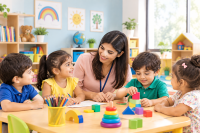
Imagine a bustling preschool classroom, where colorful toys scatter the floor, laughter fills the air, and young children eagerly engage in various activities. This vibrant scene is more than just play; it is a vital part of building confidence in young children. Preschool is a unique environment where children begin to explore their independence, learn social skills, and develop a sense of self-worth. The journey of how preschool builds confidence in young children is both fascinating and crucial for their overall development.
Many parents find themselves questioning the importance of preschool in their childs confidence-building journey. They wonder if their child will truly benefit from this early educational experience or if it is merely a place for play. The curiosity and concern are valid, as every parent desires the best foundation for their childs future. Understanding the pivotal role preschool plays in nurturing confidence can help alleviate these concerns.
This article will provide you with insights into the transformative power of preschool education. You will discover how preschool encourages self-expression, fosters social interactions, and equips children with the skills needed to face future challenges with confidence. By the end of this read, you will have a clear understanding of how preschool builds confidence in young children and how you can support your childs growth during these formative years.
Explore the key aspects of preschools role in confidence building:
Preschool is often a childs first experience in a structured social setting. Here, children learn to interact with peers, share toys, and participate in group activities. This social playground is vital for developing social skills and building confidence. For example, three-year-old Aarav was initially shy and hesitant to join group activities. However, with gentle encouragement from his teachers and interactions with classmates, he gradually began to participate actively. This newfound confidence in social settings can translate into better communication skills and a willingness to engage in new experiences. Parents can facilitate this growth by arranging playdates with peers outside of preschool, allowing children to practice social skills in a familiar environment.
Preschool provides children with opportunities to express themselves freely. Whether through art, music, or storytelling, children learn to communicate their thoughts and feelings. This expression of individuality is crucial for building self-esteem and confidence. Five-year-old Aanya, for instance, found her voice through painting. Her teachers noticed her talent and encouraged her to showcase her artwork. This recognition boosted her confidence, making her more willing to express herself in other areas as well. Parents can support this by providing various art supplies at home and encouraging their child to create and share their masterpieces.
Play is a fundamental aspect of preschool education, offering children a chance to explore and learn in a fun, engaging way. Through play, children develop problem-solving skills, creativity, and resilience. Four-year-old Vihaan loved building with blocks, often creating elaborate structures. His teachers encouraged this passion, helping him develop spatial awareness and critical thinking skills. Such experiences instill a sense of achievement and confidence, as children realize their potential to create and innovate. Parents can enhance this learning experience by providing open-ended toys at home, allowing their child to explore and build without limitations.
Preschool introduces children to new challenges, from learning to tie shoelaces to solving puzzles. These challenges teach children perseverance and resilience. Six-year-old Meera struggled with a difficult puzzle but, with guidance from her teacher, she learned to approach the task methodically. Overcoming this challenge gave her a sense of accomplishment and confidence in her problem-solving abilities. Preschool helps children understand that challenges are opportunities for growth, not obstacles to fear. Parents can reinforce this lesson by celebrating their childs efforts and encouraging them to try again when faced with difficulties.
Preschool encourages children to take on responsibilities, fostering independence. Simple tasks like tidying up toys or choosing activities help children develop decision-making skills and self-reliance. Seven-year-old Veer, for example, learned to dress himself independently, boosting his confidence in his abilities. This independence prepares children for future educational settings, where self-directed learning becomes increasingly important. Parents can support this growth by allowing their child to make choices regarding their clothing or daily activities, reinforcing the idea that their opinions matter.
Teachers play a crucial role in building confidence in young children. They provide guidance, encouragement, and support, helping children navigate their emotions and social interactions. A dedicated teacher can make a significant difference in a childs confidence levels. For instance, when five-year-old Riya struggled with separation anxiety, her teacher, Miss Priya, offered comfort and reassurance, helping Riya feel secure and confident in her preschool environment. Parents can strengthen this relationship by communicating openly with teachers and participating in school activities, creating a supportive network for their child.
Parents are integral to their childs confidence-building journey. Active involvement in preschool activities, such as attending events or volunteering, shows children that their education is valued. Parents can also reinforce preschool learning at home by encouraging exploration and praising efforts. When parents and teachers collaborate, children receive consistent messages of support and encouragement, enhancing their confidence and overall development. For instance, parents can create a routine that includes time for homework, play, and family discussions, reinforcing the importance of education and self-expression.
One common mistake parents make is placing too much pressure on their child to succeed academically at an early age. While it is natural to want the best for your child, this pressure can lead to anxiety and hinder their confidence. Instead, focus on fostering a love for learning and exploration. Encourage your child to try new things without the fear of failure. Provide a safe space for them to express their feelings and thoughts. Parents should remember that confidence grows through experiences, and allowing their child to explore at their own pace can be more beneficial than rushing them into structured learning.
As your child progresses through preschool, there are several signs of confidence development to look for. One key indicator is their willingness to engage in group activities and initiate play with peers. You may also notice your child expressing their opinions more openly or trying new tasks independently, such as helping in the kitchen or dressing themselves. Additionally, look for signs of resilience, such as your child attempting to solve a problem before seeking assistance. These milestones not only reflect growing confidence but also indicate that your child is developing essential life skills that will benefit them in the future.
As a parent, envision a future where your child approaches new situations with confidence and enthusiasm. Imagine your child walking into a new classroom, smiling and greeting their peers, ready to take on the day. Preschool lays the foundation for this future by nurturing social skills, independence, and resilience. To support your childs journey, consider visiting LittleLeaders.in for resources and guidance tailored to fostering confidence in young children. Take the next step by engaging with your childs preschool experience, reinforcing the skills and values they learn, and watching them grow into confident individuals.
Preschool provides a structured environment where children interact with peers, face challenges, and express individuality. These experiences help build social skills, resilience, and self-esteem, contributing to overall confidence. The supportive atmosphere encourages children to take risks and learn from their mistakes, fostering a growth mindset that is crucial for future success.
Yes, preschool helps shy children by encouraging social interactions and providing opportunities for self-expression. With supportive teachers and a nurturing environment, shy children gradually gain confidence in social settings. Engaging in group activities and collaborative play allows them to develop friendships and communication skills, making them feel more comfortable in various situations.
Parents play a vital role by actively participating in preschool activities, reinforcing learning at home, and collaborating with teachers. Their involvement shows children that their education is valued, boosting confidence. By encouraging exploration and celebrating achievements, parents create a positive environment that fosters self-esteem and resilience.
Parents can support their childs confidence-building journey by creating a nurturing home environment that encourages exploration and creativity. Provide opportunities for your child to express themselves through art, music, or storytelling. Celebrate their efforts and achievements, no matter how small. Engage in meaningful conversations that allow them to share their thoughts and feelings, reinforcing their sense of self-worth.
If a child consistently struggles with social interactions, exhibits extreme shyness, or shows signs of anxiety that interfere with daily activities, it may be time to seek extra support. Consulting with a child psychologist or counselor can provide valuable insights and strategies to help the child develop confidence. Early intervention can make a significant difference in their emotional and social development, ensuring they build a strong foundation for future challenges.