Loading...
Loading...

Nullam dignissim, ante scelerisque the is euismod fermentum odio sem semper the is erat, a feugiat leo urna eget eros. Duis Aenean a imperdiet risus.




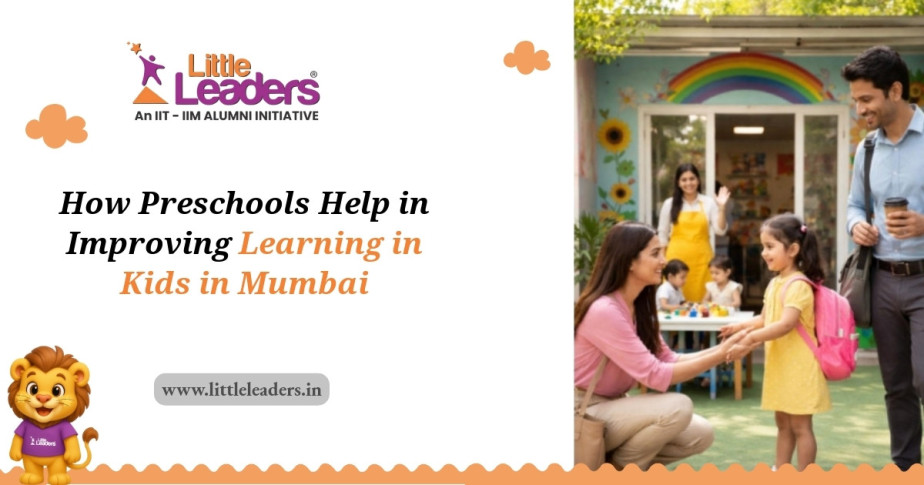
Many parents in Mumbai believe that preschool is just a place for kids to play while they work. But this common idea misses how preschools actually shape early learning in powerful ways. Research and real-life experiences show that the right preschool environment can spark curiosity, build social skills, and lay a strong foundation for lifelong learning. The early years are crucial for cognitive and emotional development, and preschools play a vital role in this journey.
Take Aarav, a curious 4-year-old from Bandra, whose preschool introduced him to hands-on science activities. Watching him light up while exploring magnets was a clear sign that learning at this stage is about discovery, not just sitting still. This article will walk you through how preschools in Mumbai help improve learning in kids, with practical insights and examples you can relate to your own child's journey. By understanding the benefits of preschool, parents can make informed decisions that will positively impact their child's future.
Preschools in Mumbai often focus on creating spaces filled with colorful materials, interactive toys, and learning corners that invite exploration. This environment encourages children to engage their senses and develop cognitive skills naturally. For example, a preschool in Andheri uses sensory bins filled with rice and beads to help kids like Meera, age 3, improve fine motor skills and concentration. These sensory activities not only enhance tactile experiences but also promote creativity and problem-solving skills. Parents can replicate this at home by creating simple sensory bins with everyday materials, such as pasta, beans, or water beads.
One of the biggest benefits of preschool is the chance for kids to interact with peers. In Mumbai's bustling urban setting, learning to share, negotiate, and express feelings is crucial. Preschool teachers guide children through group activities that build empathy and cooperation. When 5-year-old Kabir struggled with taking turns, his teacher used role-playing games to help him understand others' perspectives, boosting his confidence and friendships. Engaging in cooperative games, such as building a group project or participating in team sports, can further enhance these skills. Parents can also encourage playdates to help their children practice social interactions in a comfortable setting.
Preschools in Mumbai often emphasize language-rich activities, including storytelling, songs, and conversations. These help children expand vocabulary and improve communication skills. For instance, a preschool in Powai encourages kids to narrate their day during circle time, helping shy children like Anaya find their voice and express thoughts clearly. Additionally, incorporating bilingual programs can further enhance language skills, allowing children to become comfortable with both English and their mother tongue. Parents can support this by reading diverse books at home and encouraging their children to express themselves in both languages.
Play is not just fun; it's a powerful learning tool. Mumbai preschools blend play with early literacy and numeracy concepts. Blocks, puzzles, and counting games introduce math skills subtly. When 4-year-old Rohan built towers and counted blocks, he was unknowingly practicing problem-solving and number recognition, making learning feel like an adventure rather than a chore. Parents can enhance this experience by providing educational toys, such as LEGO sets or counting games, that promote learning through play at home. Simple activities like cooking together can also introduce math concepts, such as measuring ingredients.
Many Mumbai preschools actively involve parents through workshops and regular updates, creating a supportive learning community. This partnership helps reinforce learning at home. For example, Aarushi's parents attended a workshop on reading aloud, which helped them support her language skills beyond the classroom. Engaging with other parents and teachers can create a network of support that benefits everyone. Parents can also share resources, such as educational apps or local events, that promote learning outside of school. Websites like LittleLeaders.in offer valuable resources and guidance for parents navigating these early years.
With so many options, selecting a preschool that aligns with your child's needs and your family values is key. Look for places that balance structured learning with play, have trained teachers, and foster a warm, inclusive atmosphere. Visiting schools during activity time can give you a real sense of how your child might thrive there. Additionally, consider the school's approach to individual learning styles and how they incorporate parental feedback into their curriculum. Researching online reviews and testimonials can also provide insights into the experiences of other parents.
Preschool is just the beginning. You can support your child's learning by staying engaged, encouraging curiosity, and celebrating small milestones. Whether it's asking about their day or exploring nature together, these moments build on what preschool started. Creating a daily routine that includes time for reading, creative play, and outdoor activities can reinforce the skills learned in preschool. Parents can also keep a learning journal to track progress and celebrate achievements, no matter how small.
Understanding how preschools help in improving learning in kids in Mumbai opens up a world of possibilities for your child's growth. With the right environment and support, your little one can develop skills that last a lifetime. By actively participating in their educational journey, parents can ensure that their children are not only prepared for school but also for life.
LittleLeaders.in offers resources and guidance to help you navigate these early years confidently. Take the next step by exploring preschools that match your child's unique personality and watch them flourish. By leveraging the insights and tools available, you can create a nurturing environment that fosters a love for learning.
Many Mumbai preschools incorporate bilingual programs, helping children become comfortable with both English and their mother tongue. This approach enhances cognitive flexibility and cultural connection, making learning richer and more relevant. Parents can encourage bilingualism at home by labeling objects in both languages and engaging in conversations that include both languages.
Look for a curriculum that balances play-based learning with foundational skills in language, math, and social development. It should be age-appropriate, flexible, and encourage creativity alongside structure. Additionally, consider how the curriculum incorporates real-world experiences and community involvement, which can enhance learning and make it more meaningful.
Start with short visits and gradually increase time spent at preschool. Establish a consistent routine and communicate openly with teachers to ease your child's transition and build comfort in the new environment. Engaging in activities that mimic preschool routines at home can also help your child feel more prepared and confident.