
Loading...
Loading...

Nullam dignissim, ante scelerisque the is euismod fermentum odio sem semper the is erat, a feugiat leo urna eget eros. Duis Aenean a imperdiet risus.




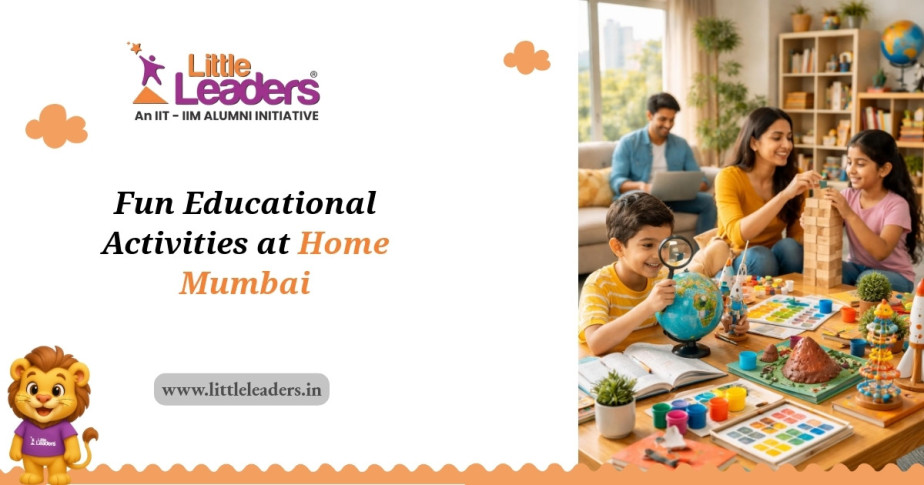
Many parents in Mumbai believe that fun and education at home are two separate worlds. They often think that learning must be serious, structured, and confined to classrooms or expensive programs. But what if thatâs a myth holding your child back from truly enjoying and benefiting from learning right at home? The truth is, fun educational activities at home in Mumbai can be both accessible and deeply enriching without the need for fancy setups or costly materials. By embracing creativity and resourcefulness, you can turn your home into a vibrant learning environment.
Take Aarav, a curious 5-year-old from Bandra, who transformed his afternoon playtime into a mini science lab using just kitchen ingredients. His mother thought educational activities meant worksheets and apps, but Aaravâs hands-on experiments sparked his love for discovery in a way no screen could. For instance, mixing baking soda and vinegar to create a fizzy volcano not only entertained him but also introduced basic chemistry concepts. This article will help you see how to blend fun and learning seamlessly at home, busting myths and giving you practical ideas tailored for Mumbai families.
Many parents hesitate to start fun educational activities at home in Mumbai because they assume they need costly toys, kits, or gadgets. The reality is quite different. Everyday household items can become powerful learning tools. For example, using pulses and grains for counting games or Mumbaiâs vibrant street scenes as inspiration for storytelling and art projects. You can create a colorful art project by using old newspapers and magazines to make collages that reflect Mumbai's rich culture. These simple resources encourage creativity and problem-solving without breaking the bank. Additionally, consider visiting local markets like Crawford Market to find affordable supplies for DIY projects.
Parents often picture educational activities as rigid and boring, but children learn best when they move, explore, and engage their senses. In Mumbaiâs lively homes, activities like dancing to Bollywood tunes while counting steps or cooking simple recipes together can teach math, language, and motor skills naturally. For example, while making a traditional dish like poha, you can discuss the ingredients, their origins, and even the nutritional value. Let your child lead the play, and youâll see learning happen effortlessly. Encourage them to create their own dance routines and share them with family members, making it a fun and interactive experience.
Itâs common to think that tutors or formal classes are the only way to ensure educational progress. However, parents are their childâs first and most influential teachers. By incorporating fun educational activities at home in Mumbai, you create a personalized learning environment that respects your childâs pace and interests. For instance, Riyaâs mother used Mumbaiâs local markets to teach her about money, measurement, and social skills, turning everyday errands into valuable lessons. They would set a budget for their shopping and discuss how to compare prices, which not only made Riya more aware of her surroundings but also taught her essential life skills.
Many parents worry about sticking to a curriculum, but at home, flexibility is your greatest asset. Fun educational activities can be spontaneous and tailored to your childâs curiosity. If your child loves trains, explore Mumbaiâs railway system through books, videos, and model-building. You can visit the Chhatrapati Shivaji Maharaj Terminus and discuss its historical significance while observing the trains. This approach keeps learning relevant and exciting, fostering deeper understanding than rigid lesson plans. Consider creating a mini project where your child can design their own train station using cardboard and markers.
While screen time needs balance, technology can enhance fun educational activities at home in Mumbai when used thoughtfully. Interactive apps, virtual museum tours, and educational videos can complement hands-on play. For example, apps like Khan Academy Kids and Byju's can provide engaging content that aligns with your child's interests. The key is moderation and choosing content that sparks questions and creativity rather than passive consumption. Set aside specific times for tech use, ensuring it complements your childâs learning rather than replacing physical activities.
Begin by observing what excites your child naturally and build activities around those interests. Use Mumbaiâs rich cultural backdrop as a classroomâfestivals, food, nature, and community life offer endless learning opportunities. For instance, during Diwali, you can explore the science behind fireworks or the art of making diyas. Remember, the goal is to make education feel like an adventure, not a chore. Engage your child in discussions about their day, encouraging them to express their thoughts and ideas freely.
By shifting your mindset and embracing these truths, youâll unlock a world where fun and education coexist beautifully at home. Your child will not only learn but also develop a joyful attitude toward discovery that lasts a lifetime. LittleLeaders.in offers many resources and ideas to support you in creating engaging, meaningful learning experiences right in your Mumbai home. Take the first step today, and watch your childâs curiosity bloom.
Simple activities like counting local fruits, storytelling inspired by Mumbaiâs landmarks, or cooking together can teach math, language, and science concepts in a fun way without special materials. You can also create scavenger hunts around your home or neighborhood, encouraging your child to find specific items and learn about them.
Use local festivals, markets, and nature spots as real-world classrooms. For example, exploring the colors and sounds during Ganesh Chaturthi can inspire art and sensory learning activities. You can also take nature walks in places like Sanjay Gandhi National Park, discussing the flora and fauna you encounter.
Yes, when balanced well, educational apps and videos can complement hands-on activities by providing visual explanations and interactive challenges that keep your child engaged. Encourage your child to share what they learned from a video and relate it to a physical activity or project.