
Loading...
Loading...

Nullam dignissim, ante scelerisque the is euismod fermentum odio sem semper the is erat, a feugiat leo urna eget eros. Duis Aenean a imperdiet risus.




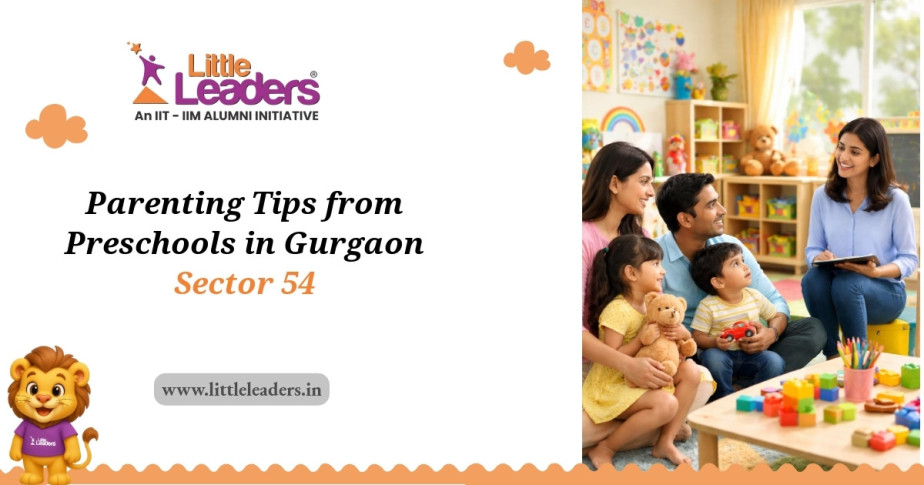
Many parents in Gurgaon Sector 54 believe that preschools are just about keeping kids busy until they start formal schooling. This common assumption overlooks the rich, intentional learning and parenting support these preschools actually provide. If youâve ever wondered whether preschool is just daycare or a real foundation for your childâs growth, youâre not alone. The truth is, preschools serve as a vital stepping stone in your child's early development, offering a blend of educational and emotional support that sets the stage for lifelong learning.
Preschools in Gurgaon Sector 54 offer more than playtime; they share valuable parenting tips that can transform how you support your childâs development at home. These insights come from educators who see your child daily and understand their unique needs. By tapping into these tips, you can bridge the gap between school and home, making parenting feel less overwhelming and more connected. For instance, many preschools encourage parents to engage in activities that reinforce what children learn in class, creating a seamless educational experience.
In this article, youâll discover the myths about preschool parenting advice, learn practical tips shared by preschools in Gurgaon Sector 54, and see how these can make a real difference in your daily routine with your little one. By the end, you will feel empowered to implement these strategies and witness the positive changes in your child's behavior and learning.
Many parents think preschools focus solely on early literacy and numeracy, but the reality is far richer. Preschools in Gurgaon Sector 54 emphasize social-emotional skills, communication, and independence. For example, a teacher might suggest simple ways to encourage your child to express feelings rather than just recite the alphabet. This holistic approach helps children like Aarav, age 4, who struggled with sharing toys, learn empathy through guided play activities both at school and home. Activities such as role-playing or using puppets can be effective in teaching children how to express their emotions and understand those of others.
Another misconception is that advice from preschools is generic. In truth, teachers tailor their guidance based on observations of each childâs temperament and family context. For instance, a preschool in Sector 54 might recommend a calming bedtime routine for a child who gets overstimulated, while suggesting more active play for another who needs to burn energy. This personalized support helps parents feel seen and understood. Additionally, preschools often provide resources such as personalized activity sheets or recommended reading lists that cater to individual children's interests and needs.
Some parents feel that strategies used in preschool classrooms wonât work in the chaos of home life. However, many tips are designed to be simple and adaptable. For example, a preschool might encourage parents to use storytelling during mealtime to build language skills, something easy to do even on busy days. Riya, a mother of a 3-year-old, found that incorporating these small moments made a big difference in her daughterâs vocabulary growth. By asking open-ended questions about the story, she not only enhanced her child's language skills but also fostered a love for reading.
Preschools here use multiple channels to connect with parents: workshops, newsletters, and one-on-one chats during drop-off or pick-up. These interactions provide timely advice tailored to your childâs current stage. For example, a recent workshop focused on managing screen time, offering practical limits and alternatives that parents could immediately implement. Many preschools also utilize digital platforms, such as parent portals or social media groups, where they share articles, tips, and resources that parents can access anytime.
One tip often shared is to create predictable routines that help children feel secure. Establishing a consistent morning and bedtime routine can significantly reduce anxiety for both parents and children. Another is to encourage curiosity by asking open-ended questions during play. For instance, instead of asking yes or no questions, try asking, What do you think will happen next? These small shifts can improve your childâs confidence and communication skills. Remember, the goal is progress, not perfection. Incorporating tools like a visual schedule can also help children understand their daily routines better.
Engaging actively with your childâs preschool teachers opens a valuable channel for ongoing support. Share your observations and ask for advice tailored to your familyâs needs. This partnership can ease parenting challenges and enrich your childâs learning experience both at school and home. Regular communication with teachers can also provide insights into your childâs progress and areas where they may need additional support. Consider scheduling regular check-ins or attending parent-teacher meetings to stay informed and involved.
Take the story of Meera, a 5-year-old who was shy and hesitant to join group activities. Her preschool teacher suggested simple games to play at home that encouraged turn-taking and confidence. Over a few weeks, Meeraâs parents noticed her becoming more outgoing and eager to participate in class. This example shows how parenting tips from preschools in Gurgaon Sector 54 can have a tangible impact. By integrating these strategies into daily life, parents can help their children develop essential social skills and build self-esteem.
Start by asking your childâs preschool about the parenting resources they offer. Attend workshops or request personalized advice during school visits. Even small changes inspired by these tips can create a more joyful and connected parenting experience. Additionally, consider exploring resources available on platforms like LittleLeaders.in, where you can find more insights and connect with other parents navigating similar journeys. With the right support, you can feel confident guiding your child through these early years with warmth and wisdom.