Loading...
Loading...

Nullam dignissim, ante scelerisque the is euismod fermentum odio sem semper the is erat, a feugiat leo urna eget eros. Duis Aenean a imperdiet risus.




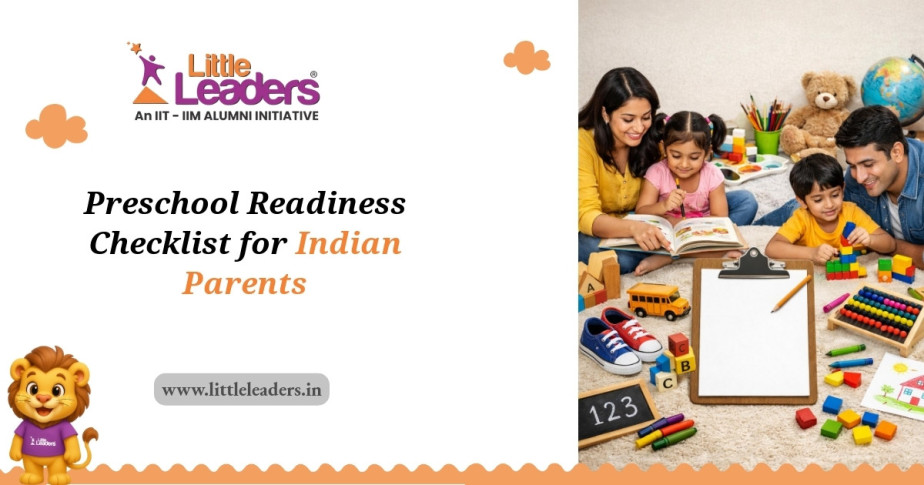
Imagine a bustling morning in an average Indian household. Parents are trying to get their children ready for school, while also preparing for their own day. Amidst this chaos, the thought of preschool readiness lingers in the minds of many. The question of whether their child is ready for preschool can be daunting. This Preschool Readiness Checklist for Indian Parents aims to provide clarity and confidence.
Many parents are concerned about their child being adequately prepared for preschool. They wonder if their child possesses the necessary social, emotional, and cognitive skills to thrive in a new environment. This checklist is designed to address these concerns, providing a comprehensive guide to assess preschool readiness.
By the end of this article, you will have a clear understanding of the key indicators of preschool readiness, practical tips to prepare your child, and insights into what to expect in the preschool environment. This guide will empower you to make informed decisions about the early education journey of your child.
Explore the sections below to navigate through the preschool readiness journey.
Preschool readiness is not about academic skills alone. It encompasses a range of developmental milestones. Understanding these can help you gauge whether your child is ready to embark on this new adventure. Preschool readiness involves social, emotional, cognitive, and physical aspects. Each child develops at their own pace, and it is important to recognize that readiness is not about age alone but a combination of various factors.
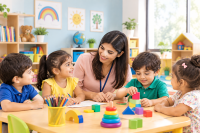
Social and emotional development is crucial. Children should be able to interact with peers, follow instructions, and express their feelings appropriately. For instance, four-year-old Riya was initially shy and hesitant to engage with others during playdates. With gentle encouragement from her parents, she began to participate in group activities, sharing her toys and enjoying the company of other children. Encouraging social interactions at home can help your child develop these essential skills.
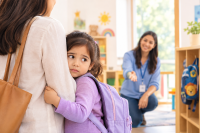
Emotional readiness involves the ability to manage emotions and adapt to new situations. Children should be able to separate from parents without distress and express their feelings verbally. Helping your child develop a sense of independence and self-confidence will ease the transition to preschool. For example, five-year-old Kabir learned to express his feelings about starting preschool by talking with his parents about his excitement and nervousness. This open communication helped him feel more secure.
Social and emotional skills are foundational for preschool readiness. Children should be comfortable interacting with peers, sharing toys, and participating in group activities. For instance, five-year-old Aanya initially struggled with sharing her toys during playdates. With encouragement and practice, she learned to take turns and enjoy group play. Encouraging social interactions at home can help your child develop these essential skills. You can set up playdates or attend community events where your child can meet other children.
Emotional readiness involves the ability to manage emotions and adapt to new situations. Children should be able to separate from parents without distress and express their feelings verbally. Helping your child develop a sense of independence and self-confidence will ease the transition to preschool. Consider creating a simple goodbye ritual that allows your child to feel secure when you leave them at preschool. This could be a special handshake or a wave from the door.
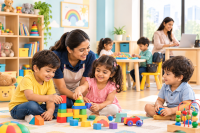
Preschool readiness also involves cognitive and language development. Your child should be able to follow simple instructions, recognize basic shapes and colors, and engage in pretend play. Language skills include the ability to communicate needs, understand stories, and engage in conversations. Seven-year-old Veer, for example, enjoys storytelling sessions with his mother. This practice has enhanced his vocabulary and comprehension skills. Engaging your child in daily reading and storytelling activities can significantly boost cognitive and language development.
Additionally, you can encourage cognitive skills by introducing simple puzzles or games that require problem-solving. For instance, playing a game where your child has to find objects of a specific color around the house can make learning fun and interactive. This not only enhances their cognitive skills but also keeps them engaged in a meaningful way.
Physical readiness involves both fine and gross motor skills. Fine motor skills include tasks like holding a crayon or buttoning a shirt. Gross motor skills involve activities such as running, jumping, and climbing. Encouraging your child to engage in physical activities helps develop these skills. You can create a mini obstacle course at home using cushions and chairs, allowing your child to climb, jump, and crawl, which promotes gross motor development.
Outdoor play, drawing, and crafting are excellent ways to enhance physical development. Providing a variety of activities will keep your child engaged and support their readiness for preschool tasks. For example, setting up a craft station with colored paper, glue, and scissors allows your child to practice their fine motor skills while expressing their creativity.
One common mistake parents make is focusing too much on academic skills rather than overall development. While it is important for children to learn numbers and letters, preschool is primarily about socialization and emotional growth. Instead of pressuring your child to memorize facts, focus on creating a nurturing environment where they can explore and learn through play.
Another mistake is not allowing children to experience small failures or challenges. For example, if a child struggles to fit a puzzle piece, a parent might quickly step in to help. Instead, it is beneficial to encourage the child to try again, fostering resilience and problem-solving skills. Allowing children to learn from their mistakes will prepare them for the challenges they may face in preschool.
As your child approaches preschool age, it is important to observe signs of progress in their development. One sign is their ability to engage in cooperative play with peers. If your child begins to initiate play with others and share toys willingly, this indicates they are developing strong social skills. Additionally, look for signs of independence, such as dressing themselves or expressing preferences in activities.
Another key indicator is their ability to communicate effectively. If your child can articulate their needs and feelings, it shows they are developing their language skills. You can encourage this by asking open-ended questions during conversations, which helps them practice expressing their thoughts clearly.
Preparing your child for preschool involves more than just developmental milestones. Establishing routines, fostering independence, and encouraging curiosity are key. Introduce structured routines at home to mimic the preschool environment. This includes regular meal times, bedtime routines, and scheduled playtime. For instance, setting a specific time for reading each day can help your child develop a love for books.
Encourage your child to perform simple tasks independently, such as dressing themselves or tidying up toys. This fosters a sense of responsibility and self-reliance. Additionally, nurture your childs curiosity by exploring new activities and environments together. For example, visiting a local museum or zoo can spark their interest in learning about the world around them.
The first day of preschool can be both exciting and nerve-wracking. To ease the transition, visit the preschool with your child beforehand. Familiarizing them with the new environment can reduce anxiety. Discuss the daily routine with your child, highlighting the fun activities they will participate in. You can create a visual schedule together, using pictures to represent different parts of the day.
On the first day, ensure your child has all necessary supplies and a comfort item, if allowed. Reassure them that you will be there at the end of the day to hear all about their experiences. Consider packing a small snack or a favorite toy to make them feel more at home in the new setting.
Once your child starts preschool, it is important to monitor their progress and make adjustments as needed. Regular communication with teachers can provide insights into your childs adaptation and areas for improvement. Be open to feedback and work collaboratively with educators to support your childs development. For example, if a teacher mentions that your child is shy during group activities, you can help by arranging more playdates to build their confidence.
If your child faces challenges, address them with patience and understanding. Every child adjusts at their own pace, and with the right support, they will thrive in the preschool environment. Celebrate small milestones, such as making a new friend or participating in a group activity, to encourage positive feelings about preschool.
While many children adjust well to preschool, some may require additional support. If you notice persistent signs of anxiety, difficulty in social interactions, or struggles with communication, it may be beneficial to seek guidance from a child psychologist or counselor. Early intervention can make a significant difference in a childs development.
Additionally, if your child shows signs of developmental delays or challenges in specific areas, such as speech or motor skills, it is important to consult with a professional. Many resources are available to assist parents in navigating these concerns, including local early intervention programs and parenting workshops.
Most children start preschool between ages three and four. However, readiness varies, and it is important to assess the development of your child rather than focusing solely on age. Some children may be ready earlier, while others may benefit from an extra year at home. Observing your childs social, emotional, and cognitive skills will help you make the best decision.
Familiarize your child with the preschool environment, establish routines, and encourage independence. Regular communication with teachers can also aid in the adaptation process. You can practice separation by leaving your child with a trusted caregiver for short periods, gradually increasing the time apart. This helps your child get used to being away from you in a safe environment.
Maintain open communication with teachers to identify specific challenges. Offer support and reassurance to your child, and consider additional activities to boost confidence and social skills. It may also be helpful to schedule regular playdates with peers to help your child feel more comfortable in social settings. Encourage your child to express their feelings about preschool to better understand their concerns.
Supporting your childs learning at home can be achieved through engaging activities that promote development. Reading together daily, playing educational games, and encouraging creative play are excellent ways to reinforce skills learned in preschool. You can also involve your child in everyday tasks, such as cooking or shopping, to teach them practical skills and enhance their problem-solving abilities.
There are numerous resources available for parents seeking guidance on preschool readiness and early childhood education. Websites like LittleLeaders.in offer valuable information, tips, and support for parents navigating the preschool journey. Additionally, local parenting groups, workshops, and community centers often provide resources and networking opportunities to connect with other parents and educators.
By following this Preschool Readiness Checklist for Indian Parents, you can ensure a smooth transition for your child into the world of preschool. Imagine a scene where your child walks confidently into their preschool, waving goodbye with a smile, excited to share their adventures with you later. For more resources and support, visit LittleLeaders.in, your trusted partner in early childhood education.