
Loading...
Loading...

Nullam dignissim, ante scelerisque the is euismod fermentum odio sem semper the is erat, a feugiat leo urna eget eros. Duis Aenean a imperdiet risus.




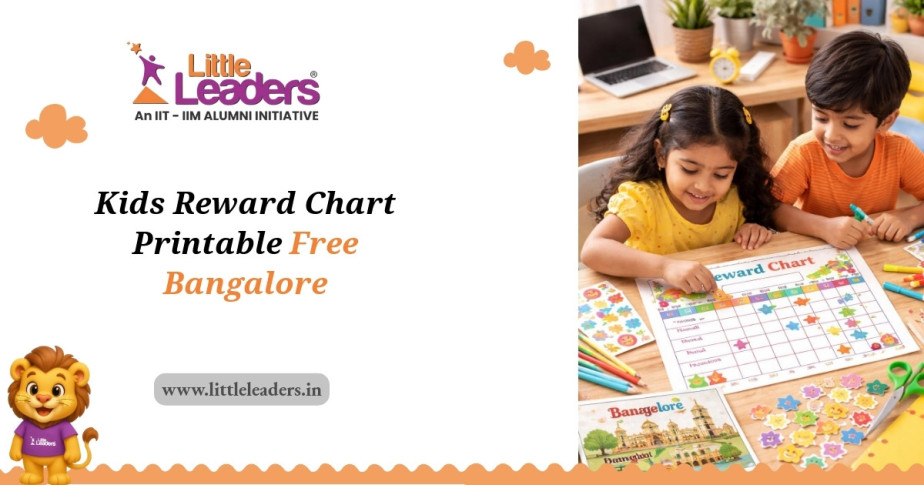
Many parents in Bangalore turn to kids reward charts printable free options hoping to magically transform their child's behavior overnight. But hereâs a truth that often gets overlooked: reward charts alone donât create lasting motivation or good habits. The common belief that simply printing and sticking stars on a chart will fix everything is a myth that can leave you frustrated and your child confused. This misconception can lead to parents feeling overwhelmed and children feeling disheartened when results do not meet expectations.
Understanding how reward charts actually work can change the way you use them and help you support your childâs growth more effectively. This article will unpack the myths around kids reward charts printable free Bangalore parents often rely on and offer practical insights to make these tools truly work for your family. By integrating emotional support and clear communication, you can transform these charts into powerful tools for positive behavior change.
Reward charts are popular because they offer a visual way to track progress, but many parents expect immediate behavior change just by using them. The reality is that children need clear expectations, consistent follow-through, and emotional connection to feel motivated. For example, Aarav, a 5-year-old from Bangalore, initially loved putting stickers on his chart for completing homework. But when the rewards stopped or became routine, his interest faded quickly. This is a common scenario where the initial excitement wears off, leading to a lack of engagement.
Experts in child development emphasize that reward charts should be part of a broader strategy that includes positive communication and understanding your childâs unique motivators. Without this, charts risk becoming empty routines rather than meaningful encouragement. For instance, if a child is motivated by social interaction, involving friends in the reward process can enhance their engagement. Additionally, parents should remember that each child is unique; what works for one may not work for another.
Not all printable reward charts are created equal. Bangalore parents can find many free options online, but the key is selecting one that fits your childâs age, interests, and the specific behaviors you want to encourage. For instance, a colorful chart with fun icons works well for younger kids, while older children might respond better to charts that track bigger goals or include space for self-reflection. Websites like LittleLeaders.in offer a variety of customizable charts that cater to different age groups and preferences.
Consider involving your child in choosing or customizing the chart. This simple step can boost their sense of ownership and make the process more engaging. When Anaya, age 7, picked her own reward chart design, she was more excited to use it consistently. You can also encourage creativity by allowing your child to decorate the chart with stickers or drawings, making it a fun project that they look forward to.
Reward charts are most effective when paired with emotional support and clear communication. Praising effort rather than just results helps children feel valued beyond the stars or stickers. For example, instead of saying Good job for finishing your chores, try I noticed how carefully you cleaned your room today, that really helps our family. This approach builds intrinsic motivation alongside the external rewards. Itâs essential to create a dialogue about feelings and progress, which can foster a deeper understanding of the purpose behind the chart.
In Bangaloreâs busy households, itâs easy to overlook these moments. Setting aside a few minutes daily to talk about progress and feelings can deepen your childâs understanding of why the chart matters and how it connects to their growth. Consider making this a part of your evening routine, where you can reflect on the day together, discuss what went well, and what challenges they faced.
To get the most from free printable reward charts, consistency is key. Set clear, achievable goals and review the chart regularly with your child. Avoid overwhelming them with too many tasks at once. For example, start with one or two behaviors like brushing teeth or completing homework, then gradually add more as they succeed. This gradual approach helps build confidence and reinforces positive behavior over time.
Also, mix up rewards to keep things fresh. Small treats, extra playtime, or a special outing can complement the stickers and stars. Remember, the goal is to encourage positive habits, not just to collect rewards. You can also create a reward menu where your child can choose their preferred reward, giving them a sense of control and excitement about the process.
Creating a positive atmosphere around reward charts helps children associate them with encouragement rather than pressure. Celebrate small wins and be patient with setbacks. When Rohan, age 6, missed a day on his chart, his parents used it as a chance to talk about challenges instead of punishing him. This kept him motivated and confident to try again. Itâs crucial to frame setbacks as learning opportunities, reinforcing the idea that everyone has ups and downs.
Incorporating cultural values and family routines unique to Bangalore can also make reward charts feel more relevant. For example, linking rewards to family activities or local festivals can add meaning and excitement. You might consider creating a special reward for completing a chart during a festival, such as a family outing to a local event or a special dish prepared together. This not only ties the reward to cultural significance but also strengthens family bonds.
Many websites offer free printable reward charts tailored for Bangalore parents. Look for ones that allow customization to fit your childâs age and interests. LittleLeaders.in also provides helpful resources and printables designed with local families in mind. You can explore various themes and styles that resonate with your childâs preferences.
Itâs best to review your childâs progress weekly and adjust the chart as needed. Changing goals or designs every few weeks keeps your child engaged and prevents the chart from becoming stale. You might also consider seasonal updates, where you refresh the chart to align with new goals or interests as your child grows.
Try involving your child in refreshing the chart or switching up rewards. Sometimes adding new challenges or linking rewards to special outings can reignite their enthusiasm. Encourage them to suggest new behaviors they want to work on, fostering a sense of agency in their development. This collaborative approach can lead to a more meaningful and enjoyable experience with the reward chart.