
Loading...
Loading...

Nullam dignissim, ante scelerisque the is euismod fermentum odio sem semper the is erat, a feugiat leo urna eget eros. Duis Aenean a imperdiet risus.




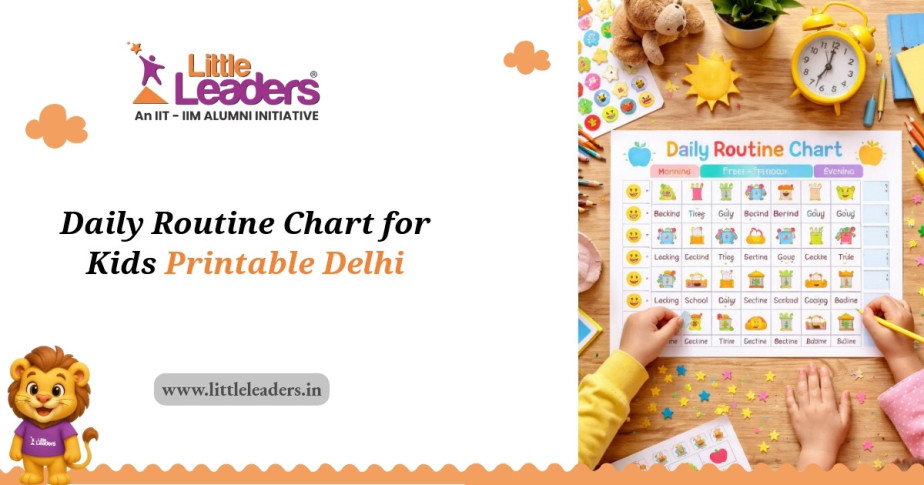
Many parents in Delhi believe that simply printing a daily routine chart for kids and sticking it on the wall will magically transform their child's day. But the truth is, a chart alone rarely changes habits or calms morning chaos. If youâve ever felt frustrated that your child ignores the routine chart or that it adds more stress than ease, youâre not alone. This common misconception can leave parents wondering if routine charts are worth the effort at all. The reality is that a daily routine chart is a tool, and like any tool, its effectiveness depends on how you use it.
Understanding what a daily routine chart for kids printable Delhi really offersâand what it doesnâtâis the first step to making it work for your family. This article will bust the myths around routine charts and show you how to use them effectively to support your childâs independence and confidence. By the end, youâll know how to create a routine chart that fits your childâs unique rhythm and your familyâs lifestyle. With practical tips and relatable examples, youâll be equipped to turn that chart into a valuable resource rather than just a piece of paper on the wall.
Itâs tempting to think that a colorful chart with pictures and times will instantly teach your child to manage their day. But organization is a skill that develops gradually, often requiring guidance and practice. For example, Aarav, a lively 5-year-old from Delhi, had a routine chart stuck on his bedroom wall for months. Yet, his mornings were still rushed and stressful. The chart became wallpaperâignored and forgotten. The key is not just having a chart but involving your child in creating it. When Aaravâs mom sat down with him to design the chart, choosing stickers and deciding the order of activities, he felt ownership. That small step made a big difference in his engagement and follow-through. Moreover, using products like the Little Leaders Routine Chart Kit can provide a structured yet flexible approach, allowing children to personalize their charts.
Many parents think routine charts are useful only on school days to keep kids on track. However, children thrive on consistency every day, including weekends and holidays. A printable daily routine chart for kids in Delhi can include fun activities, family time, and rest periods, not just school prep. This broader approach helps children feel secure and balanced. Take Meera, age 7, who used her weekend routine chart to plan reading time, playdates, and chores. This helped her transition smoothly between school and home life without the usual resistance. By incorporating local activities, such as visiting the India Gate or participating in a family cooking session, parents can make the routine chart more relatable and engaging.
Some parents create rigid charts with exact times for every task, hoping to enforce discipline. But this can backfire, making kids feel pressured and overwhelmed. Flexibility is essential. A printable daily routine chart for kids in Delhi should act as a guide, not a strict timetable. For instance, Rohanâs parents use a chart with broad time blocks like âmorning playâ and âsnack time,â allowing him to choose activities within those periods. This approach respects his natural pace and reduces power struggles. Additionally, incorporating elements like color coding for different types of activities can make the chart visually appealing and easier for kids to understand.
Start by observing your childâs natural rhythms and preferences. Note when they are most alert, when they need breaks, and what activities they enjoy. Next, involve your child in designing the chart. Use bright colors, stickers, or images that resonate with them. Keep the chart visible but not overwhelmingâplacing it at their eye level helps. Finally, review and adjust the chart regularly. Life in Delhi can be unpredictable with traffic, weather, and family events, so flexibility keeps the routine realistic and stress-free. For instance, if you notice that your child struggles with homework after school, consider adjusting the schedule to include a fun activity before tackling study time.
When children understand their daily flow and can anticipate whatâs next, they feel more secure and in control. A well-used daily routine chart for kids printable Delhi can boost your childâs confidence by encouraging self-management. For example, 6-year-old Anaya started using her chart to get ready for school independently. Her parents noticed she was less anxious and more cooperative during mornings. This small win rippled into other areas, like homework and bedtime. By celebrating these successes, parents can reinforce positive behavior and encourage further independence. Remember, using a routine chart is not about perfection but progress. Itâs a tool to support your childâs growth, not a rulebook to enforce. When you approach it with patience and creativity, the chart becomes a helpful companion rather than a source of frustration.
With these insights, youâre ready to rethink how a daily routine chart for kids printable Delhi can fit into your familyâs life. The next step is to create one that feels like a helpful friend, not a strict taskmaster. Remember, the goal is to foster a sense of responsibility and independence in your child while making daily tasks manageable and enjoyable.
Focus on your childâs current abilities and interests. Use simple visuals for younger kids and more detailed steps for older ones. Include local context like school timings or Delhi-specific activities to make it relatable and practical. For instance, if your child loves animals, consider adding a visit to the zoo as part of their weekend routine.
Many websites offer customizable printables. Look for ones that allow you to add your childâs name and adjust activities. Local parenting groups and LittleLeaders.in also share resources tailored for Delhi families. Additionally, platforms like Canva provide templates that can be easily modified to suit your needs.
Involve your child in creating the chart and celebrate small successes. Use positive reinforcement and gentle reminders rather than strict commands. Making the chart fun and interactive helps maintain interest. For example, you could create a reward system where your child earns stickers for completing tasks, which can later be exchanged for a small treat or privilege.