
Loading...
Loading...

Nullam dignissim, ante scelerisque the is euismod fermentum odio sem semper the is erat, a feugiat leo urna eget eros. Duis Aenean a imperdiet risus.




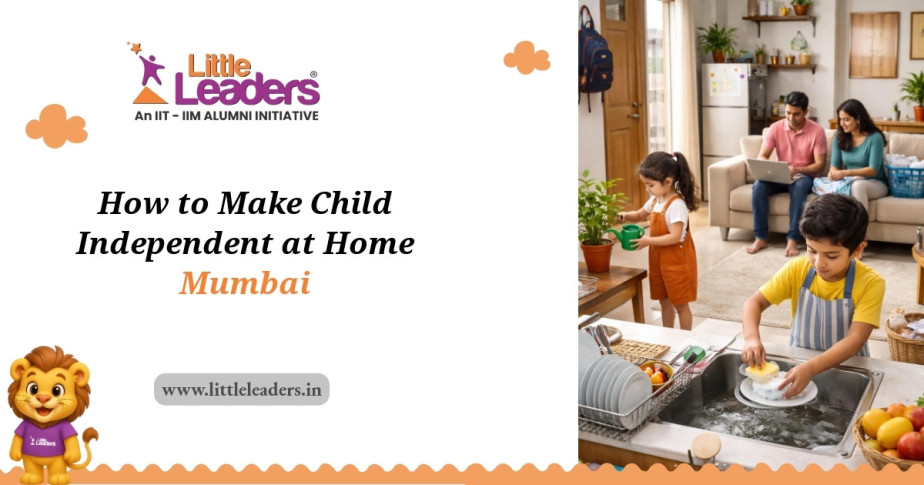
Many parents in Mumbai believe that independence in young children happens naturally or only after they start school. But the truth is, independence is a skill that needs gentle guidance and daily practice right at home. If youâve ever felt overwhelmed by the thought of your child needing constant help with simple tasks, youâre not alone. The good news is that with the right approach, you can help your child become confident and self-reliant within your own Mumbai home environment.
This article will walk you through practical, easy-to-apply steps tailored for busy Mumbai families. Youâll discover how to create small opportunities for your child to take charge, build their decision-making skills, and develop routines that encourage independence. By the end, youâll have a clear roadmap to help your child grow into a capable little leader at home.
Independence isnât about leaving your child to fend for themselves; itâs about empowering them to do things on their own with your support nearby. For example, Aarav, a 5-year-old from Andheri, started putting on his shoes every morning after his mom showed him how. It took patience and encouragement, but now he does it without reminders. This small win boosted his confidence and made mornings smoother for the whole family.
Recognizing that independence develops gradually helps you set realistic expectations. Itâs less about perfection and more about progress. Your childâs age, temperament, and environment in Mumbaiâs bustling homes all play a role in how quickly they pick up new skills.
One of the biggest barriers to independence is accessibility. Mumbai homes can be compact, but organizing a child-friendly corner where your child can reach their belongings and tools makes a huge difference. For instance, placing a low hook for their backpack or a small stool near the sink encourages them to take initiative in daily tasks like hanging their bag or washing hands.
Involve your child in setting up this space. When 4-year-old Meera helped arrange her art supplies on a low shelf, she felt proud and was more eager to use them independently. This simple change turns your home into a supportive environment that invites your child to explore and manage their things.
Routines are the backbone of independence. Mumbaiâs fast-paced lifestyle can make it tempting to rush through tasks, but consistent daily schedules help your child know what to expect and whatâs expected of them. Start with small responsibilities like putting toys away after playtime or choosing their clothes for the day.
Take the example of Riya, a 6-year-old from Bandra, who now sets the table for dinner every evening. Her parents made it a fun ritual, and she enjoys the sense of contribution. These little responsibilities teach accountability and give your child a sense of accomplishment.
Giving your child choices is a powerful way to build independence. It doesnât have to be big decisions; even picking between two snacks or choosing which storybook to read can make a difference. When you let your child decide, youâre showing trust in their judgment and helping them learn consequences in a safe space.
For example, 3-year-old Kabir from Dadar was nervous about dressing himself until his mother offered him two outfit options each morning. This small freedom made him excited to get dressed and boosted his confidence in making decisions.
Independence doesnât mean your child wonât make mistakes. Mumbai parents often worry about safety or mess, but allowing your child to tryâeven if it means spills or slow progressâis essential. When Aarav spilled water while pouring it himself, his mother didnât scold but helped him clean up and praised his effort. This approach teaches resilience and that mistakes are part of learning.
Celebrate attempts rather than perfection. Your calm support encourages your child to keep trying and builds their problem-solving skills.
Daily routines like cooking, shopping, or cleaning can be turned into lessons in independence. Invite your child to help with simple tasks like washing vegetables or sorting laundry. These activities teach practical skills and show your child they are a valuable part of the family team.
In Mumbaiâs busy households, these moments also create bonding time. When Meera helped her father pack lunch, she felt proud and more connected to the family rhythm.
Mumbaiâs crowded spaces and busy schedules can make fostering independence tricky. Safety concerns might tempt you to do everything for your child. However, setting clear boundaries and teaching safety rules alongside independence skills helps your child navigate their environment confidently.
For example, teaching your child to hold your hand while crossing streets or to ask for help from trusted adults builds independence without compromising safety. Balancing freedom with caution is key in a city like Mumbai.
By integrating these strategies, youâll see your child grow more self-reliant and confident, ready to take on new challenges at home and beyond.
Imagine your child waking up eager to get ready, choosing their clothes, and helping with small choresâall without reminders. This vision is within reach when you start with small, consistent steps. Begin by creating a child-friendly space or offering simple choices today.
LittleLeaders.in offers many resources and community support for parents navigating these milestones in Mumbai. Youâre not alone on this path, and every small effort you make plants seeds for your childâs lifelong independence.
Trust your instincts, be patient, and watch your little leader bloom right at home.
Start with simple tasks like picking out clothes or putting away toys. Offer limited choices to build decision-making and create a small accessible space for their belongings. Celebrate efforts to boost confidence.
Set clear safety rules like holding hands while crossing roads and identifying trusted adults. Supervise outdoor activities but encourage small independent tasks indoors to build skills safely.
Incorporate independence-building tasks into daily routines like mealtime or bedtime. Use short, consistent moments to encourage responsibility without adding pressure to your schedule.