Loading...
Loading...





Many parents in Pune believe that a shy child will simply 'grow out of it' without any intervention. This widespread assumption can leave families feeling helpless when their child struggles to connect with peers or express themselves confidently. But what if this belief is actually holding your child back from developing essential social skills? Understanding the truth behind shyness and social development is the first step toward meaningful support. In fact, research shows that early intervention can significantly improve social outcomes for shy children, making it crucial for parents to take proactive steps.
In this article, youâll discover why shyness isnât a fixed trait and how tailored social skills solutions in Pune can empower your child. Youâll walk away with practical insights and actionable steps to help your shy child thrive socially, right here in your community. With the right guidance, your child can learn to navigate social situations with confidence and ease.
Many parents mistake shyness for mere quietness or introversion. But shyness is more complex â itâs a mix of fear, uncertainty, and hesitation in social settings. Take Aarav, a 5-year-old from Pune, who freezes when asked to join group play at preschool. His silence isnât because he prefers to be alone; itâs because he feels unsure how to start or keep conversations. Recognizing this distinction helps parents and educators approach shy children with empathy and targeted strategies rather than waiting passively. For instance, parents can gently encourage their children to express their feelings about social situations, helping them articulate their fears and develop coping strategies.
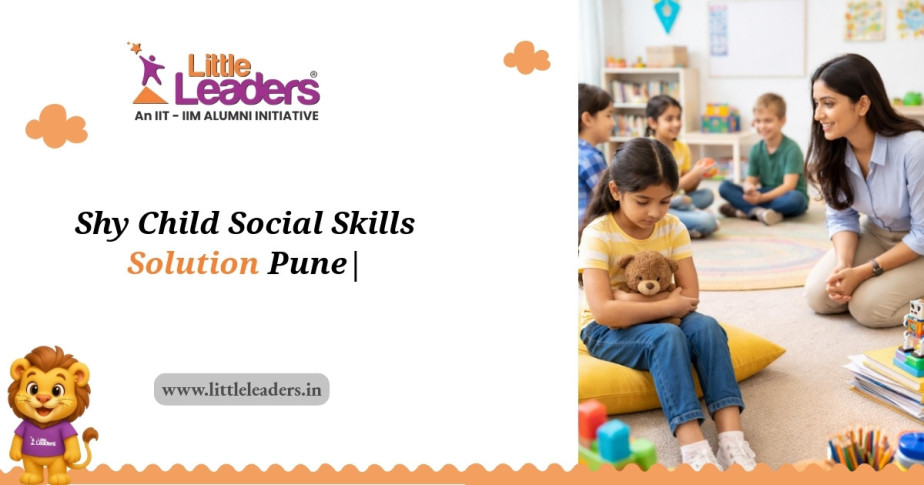
Programs designed specifically for shy children in Pune focus on building confidence through small, manageable social interactions. For example, LittleLeaders.in offers group activities where children like Aarav practice greetings, sharing, and turn-taking in a safe, supportive environment. These sessions use role-playing and storytelling to make social skills tangible and fun, helping children gradually overcome their hesitation. Additionally, activities such as art projects or cooperative games can foster teamwork and communication, allowing shy children to engage without the pressure of direct conversation.
One myth is that pushing a shy child into large social gatherings will âtoughen them up.â In reality, overwhelming situations can increase anxiety and reinforce withdrawal. Another misconception is that shy children donât want friends. On the contrary, many shy kids deeply desire connection but lack the tools to initiate it. Understanding these myths allows parents to choose solutions that respect their childâs pace and personality. For example, instead of large parties, consider smaller gatherings where your child can interact with one or two peers at a time, creating a more comfortable environment for socialization.
Start by creating low-pressure social opportunities. Invite one or two familiar children over for playdates where your child feels safe. Model social behavior by narrating your own interactions, like saying hello to neighbors or making small talk at the market. Celebrate small wins, such as your child asking a question or sharing a toy. These moments build the foundation for bigger social leaps. Additionally, consider using games that promote communication, such as charades or board games that require taking turns, to make social interactions enjoyable and less intimidating.
Look for programs that emphasize empathy, patience, and gradual exposure rather than forcing quick results. Ask about group sizes, teaching methods, and how progress is tracked. Visiting a session or reading parent testimonials can give you a clearer picture. Remember, the goal is to help your child feel understood and supported, not pressured. Programs like LittleLeaders.in often provide trial sessions, allowing you to assess whether the environment is a good fit for your child before committing.
LittleLeaders.in offers tailored social skills workshops that blend play, storytelling, and guided interaction. Children like Aarav experience a warm environment where their feelings are validated and their social confidence grows naturally. The program also equips parents with strategies to reinforce learning at home, creating a consistent support system. For instance, parents can be given specific activities to practice at home, such as role-playing different social scenarios or discussing feelings after playdates to reinforce positive experiences.
Every shy childâs path is different. Some may blossom quickly with a little encouragement, while others need more time and gentle nudges. By busting myths and choosing thoughtful social skills solutions in Pune, youâre giving your child the tools to navigate friendships with confidence. Imagine Aarav smiling as he joins a group game, feeling proud of his voice finally being heard. Celebrate these milestones, no matter how small, as they are crucial steps in your childâs social development.
With the right support, your shy child can discover the joy of connection and the strength in their own unique way of relating to the world. Encourage them to embrace their individuality while also helping them develop the skills they need to thrive socially.
If your childâs shyness consistently prevents them from engaging in age-appropriate social activities or causes distress, seeking a social skills program in Pune can be beneficial. Professionals can assess and provide tailored support to build confidence gradually. Look for signs such as avoidance of social situations, excessive worry about interacting with peers, or physical symptoms like stomachaches when faced with social events.
Yes, many programs cater to preschoolers and early school-age children, using play-based methods that feel natural and enjoyable. Early intervention can make a big difference in easing social anxiety. Programs often incorporate games, arts and crafts, and storytelling to engage young children while teaching them essential social skills.
Choose programs that focus on empathy, small group interactions, and gradual exposure. Avoid approaches that pressure children to perform quickly. Parent involvement and clear communication about progress are also key. Look for programs that offer regular updates and feedback, so you can track your childâs development and adjust strategies as needed.