
Loading...
Loading...





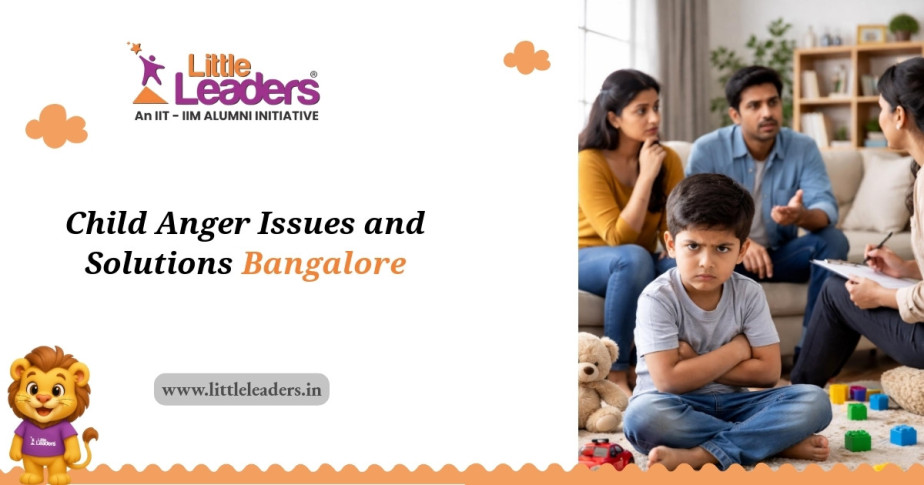
Many parents in Bangalore believe that their child's anger outbursts are just phases that will pass without intervention. However, research shows that ignoring or dismissing these emotions can actually exacerbate the situation, leading to bigger challenges down the road. Understanding what fuels your child's anger and how to respond effectively can transform those difficult moments into opportunities for growth and learning.
In this article, you will discover practical insights and solutions tailored for parents navigating child anger issues in Bangalore. From recognizing triggers to calming techniques and knowing when to seek professional help, you'll walk away equipped to support your child with confidence and compassion. By addressing these issues early, you can foster a healthier emotional landscape for your child.
Anger in children is often misunderstood as mere misbehavior or attention-seeking behavior. In reality, it is a natural emotional response to frustration, fear, or feeling misunderstood. Take Aarav, a 5-year-old from Koramangala, whose sudden outbursts at school left his parents puzzled. His anger was a way to express anxiety over changes in his routine, such as a new teacher or a shift in his daily schedule. Recognizing this helped his parents approach him with empathy rather than punishment, allowing them to address the root cause of his anger.
In Bangaloreâs fast-paced environment, children face unique stressors like academic pressure, social comparisons, and the hustle and bustle of city life. These factors can intensify feelings of anger if not addressed early. Understanding that anger signals an unmet need or emotion is the first step toward effective solutions. For instance, when children feel overwhelmed by the demands placed on them, their anger can manifest in various ways, from tantrums to withdrawal.
Every childâs anger triggers are unique, but some common ones in Bangalore include crowded spaces, noisy traffic, and high expectations from school and family. For example, Meera, age 7, would become irritable after long commutes through Bangaloreâs notorious traffic jams, which drained her energy before she even reached school. The stress of being stuck in traffic often led to frustration, which would then spill over into her interactions with peers and teachers.
Parents can keep a simple diary noting when and where anger spikes occur. This helps spot patterns and prepare calming strategies in advance. For example, if you notice that your child becomes angry after returning home from school, it may be beneficial to create a quiet space or a calming routine for them to unwind. Being proactive rather than reactive reduces the frequency and intensity of outbursts, allowing children to feel more in control of their emotions.
Simple, consistent calming techniques can make a big difference in managing child anger. Techniques such as deep breathing exercises, sensory play, or creating a quiet corner with favorite books can help children regain control. For instance, Aaravâs parents introduced a âcalm-down jarâ filled with glitter and water. Watching the glitter settle became his go-to tool when anger flared, providing him with a visual and tactile way to calm down.
Teachers in Bangaloreâs schools are increasingly open to incorporating such strategies, creating supportive environments that acknowledge childrenâs emotional needs. Sharing these techniques with caregivers and educators ensures consistency and better outcomes. Additionally, resources like the Little Leaders program offer workshops that teach parents and teachers effective emotional regulation strategies, ensuring that children receive the same supportive messages at home and school.
Sometimes, anger issues persist despite your best efforts. If your childâs anger leads to aggression, withdrawal, or affects daily functioning, consulting a child psychologist or counselor in Bangalore can provide tailored support. Early intervention can prevent escalation and equip your child with coping skills for life. Professionals can offer strategies that are specifically designed to address the unique challenges faced by children in Bangalore.
Local resources like child development centers and parenting workshops offer accessible guidance. For example, organizations such as Little Leaders provide workshops and support groups where parents can learn about child development and emotional regulation. Connecting with other parents facing similar challenges can also provide emotional support and practical advice, helping you feel less isolated in your parenting journey.
Creating a calm, predictable home environment helps children feel safe and understood. Setting clear boundaries with gentle explanations, maintaining routines, and validating your childâs feelings can significantly reduce anger triggers. For example, Meeraâs parents started a nightly ritual of sharing highs and lows of the day, which helped her express emotions before bedtime. This practice not only strengthened their bond but also provided Meera with a safe space to talk about her feelings.
Encouraging open communication and modeling healthy emotional expression teaches children that anger is manageable and not something to fear or suppress. Consider using tools like emotion charts or feeling journals that allow children to identify and express their emotions in a constructive way. These tools can be particularly effective in a city like Bangalore, where children may feel overwhelmed by external pressures.
Managing child anger can be exhausting, but remember that your calm presence is the most powerful tool you have. Taking time for your own self-care and seeking support when needed strengthens your ability to respond thoughtfully. Parenting groups in Bangalore, both online and offline, offer valuable community and resources. Engaging with other parents can provide new perspectives and strategies that you might not have considered.
By understanding child anger issues and solutions in Bangalore, youâre not just managing outburstsâyouâre nurturing emotional resilience that will serve your child for life. Remember, itâs a journey, and every small step you take can lead to significant changes in your childâs emotional well-being.
Look for frequent tantrums, aggression, withdrawal, or difficulty calming down after upset moments. Environmental stressors like school pressure or traffic can worsen these signs. Additionally, if your child exhibits physical symptoms like headaches or stomachaches when faced with stressful situations, it may be a sign of underlying anger issues.
Techniques like deep breathing, sensory jars, quiet spaces, and consistent routines work well. Sharing these with teachers ensures support beyond home. You might also consider incorporating mindfulness practices, such as yoga or meditation, into your family routine, which can help children learn to manage their emotions more effectively.
Child psychologists, counselors, and development centers in Bangalore offer specialized support. Parenting workshops and support groups are also helpful resources. Websites like littleleaders.in can connect you with local professionals and programs designed to assist families dealing with child anger issues.