
Loading...
Loading...

Nullam dignissim, ante scelerisque the is euismod fermentum odio sem semper the is erat, a feugiat leo urna eget eros. Duis Aenean a imperdiet risus.




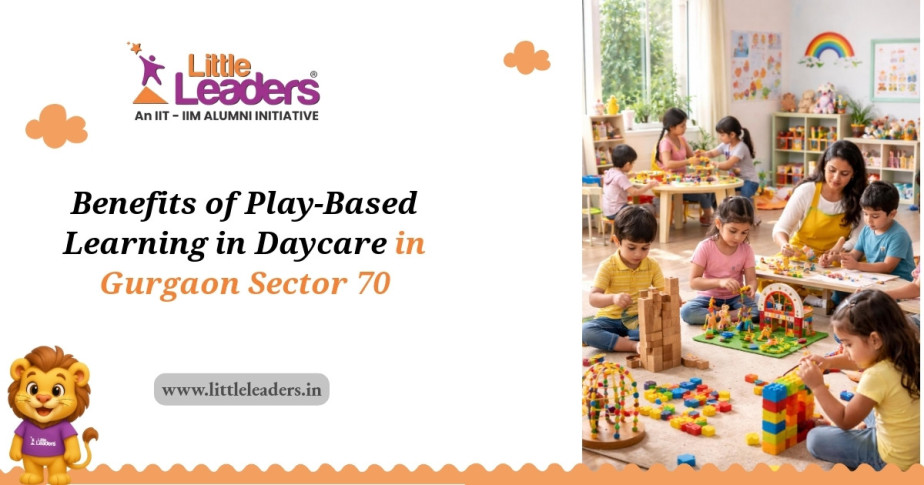
Many parents in Gurgaon Sector 70 believe that structured lessons and early academics are the only ways to prepare their child for school success. But what if the real secret lies in something far more natural and joyful? Play-based learning in daycare settings is often misunderstood as just 'fun and games,' yet research and real-life experiences show itâs a powerful foundation for your childâs growth. Imagine your little one, like three-year-old Aarav, discovering shapes and colors while building a block tower, or learning to share and communicate during a pretend grocery store game. These moments are not just playâtheyâre stepping stones for lifelong skills.
By the end of this read, youâll understand why play-based learning in daycare in Gurgaon Sector 70 isnât just a trend but a proven approach that nurtures creativity, social skills, and cognitive development. Youâll also find practical insights to help you choose the right daycare environment where your child can thrive through play.
Play-based learning is an educational approach where children learn through engaging, hands-on activities that stimulate their natural curiosity. Unlike traditional rote learning, this method encourages exploration, problem-solving, and social interaction. In daycare centers around Gurgaon Sector 70, this means children spend time in environments rich with materials like blocks, art supplies, and sensory toys that invite discovery.
For example, when Aaravâs daycare teacher introduced a water play station, he wasnât just splashing around. He was experimenting with volume, cause and effect, and fine motor skills. These experiences build brain connections that formal lessons alone canât replicate. Play-based learning respects each childâs pace and interests, making education joyful and deeply effective. Moreover, it aligns with the developmental milestones set by organizations like the National Association for the Education of Young Children (NAEYC), ensuring that children are not just learning, but thriving.
One of the biggest benefits of play-based learning in daycare in Gurgaon Sector 70 is how it fosters social skills. When children play together, they negotiate roles, share resources, and resolve conflicts. Take Aaravâs friend Meera, who learned to express her feelings and listen to others during group play. These interactions build empathy and emotional intelligence, essential for healthy relationships later in life.
Daycare teachers guide children gently, helping them navigate emotions and social cues in a safe space. This emotional foundation reduces anxiety and builds confidence, making transitions to formal schooling smoother and less stressful. For instance, during a group activity where children created a puppet show, they had to work together to decide on the story and roles, which enhanced their collaborative skills and understanding of teamwork.
Play-based learning is a powerhouse for cognitive skills like language, memory, and critical thinking. When children engage in storytelling, puzzles, or pretend play, they practice vocabulary, sequencing, and problem-solving. Aaravâs favorite activityâbuilding a pretend city with blocksâhelped him understand spatial relationships and planning.
Daycare centers in Gurgaon Sector 70 that emphasize play-based learning often integrate themes like nature, numbers, and culture into playful activities. This approach makes abstract concepts tangible and memorable, setting a strong foundation for academic success without pressure or boredom. For example, a simple counting game using colorful fruits during playtime can help children grasp basic math concepts while they enjoy themselves.
Not all daycares are created equal when it comes to play-based learning. Look for centers that prioritize child-led activities, have well-trained staff, and provide a variety of materials that stimulate different senses and skills. Visiting a daycare during playtime can reveal how children interact and how teachers support their exploration.
For instance, Aaravâs parents chose a daycare where teachers observe and join play without taking over, allowing children to lead their learning. This balance ensures kids feel safe yet challenged. Also, check if the daycare encourages outdoor play, which is vital for physical health and creativity. Facilities like Little Leaders Daycare in Gurgaon Sector 70 are known for their extensive outdoor play areas that promote physical activity and imaginative play.
Extending play-based learning beyond daycare strengthens its benefits. Simple activities like setting up a craft corner, reading interactive books, or playing pretend games with your child can reinforce skills learned during the day. Aaravâs mom noticed that after a day of play-based learning, he was eager to build new stories at home, showing how daycare experiences spark imagination.
Encourage curiosity by asking open-ended questions during play and celebrating your childâs discoveries. This partnership between daycare and home creates a rich learning environment that supports your childâs overall development. For example, if your child enjoys building with blocks, consider introducing them to construction-themed toys or books that align with their interests.
Imagine your child arriving home from daycare with stories about their day, eyes bright with excitement from new discoveries. This is the kind of joyful learning that play-based daycare in Gurgaon Sector 70 offers. If youâre ready to explore daycares that embrace this approach, start by visiting centers, asking about their play philosophy, and observing how children engage. LittleLeaders.in is a great resource to find trusted daycare options and expert advice tailored to your neighborhood.
Trust your instincts and remember that play is your childâs work. Supporting this natural way of learning today sets the stage for confident, curious leaders tomorrow. By fostering an environment where play is prioritized, you are investing in your child's future success and happiness.
Play-based learning encourages children to communicate, tell stories, and interact with peers, which naturally builds vocabulary and language skills. In daycare, children like Aarav practice new words during role-play and group activities, making language development fun and meaningful. For example, during a storytelling session, children can act out their favorite characters, enhancing their understanding of language and narrative structure.
Yes, play-based learning adapts to different developmental stages. Whether your child is a toddler or preschooler, activities are tailored to their abilities, ensuring they remain engaged and challenged appropriately in daycare settings. For younger children, activities might focus on sensory exploration, while older children might engage in more complex problem-solving games.
Look for daycares with trained staff who facilitate child-led play, a variety of stimulating materials, and a safe, nurturing environment. Observing how teachers interact with children during playtime can give you insight into their approach. Additionally, inquire about their curriculum and how they integrate play into learning objectives, ensuring that your child receives a balanced educational experience.