
Loading...
Loading...





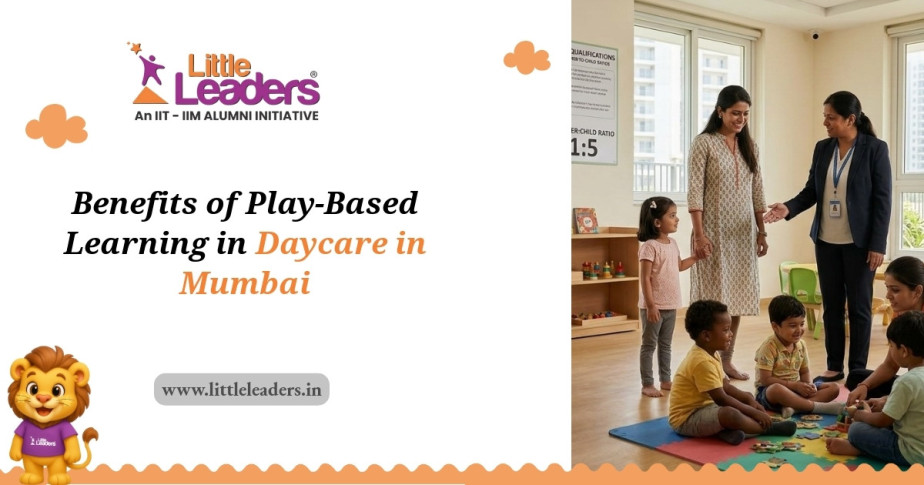
Many parents in Mumbai believe that structured lessons and rote learning are the only ways to prepare their children for school success. This common misconception often leads them to overlook the powerful benefits of play-based learning in daycare settings. But what if the noisy, messy, and seemingly unstructured playtime your child enjoys is actually the secret to their cognitive and social growth? In a city as vibrant and diverse as Mumbai, the approach to early childhood education can significantly impact a child's development. Understanding the benefits of play-based learning can help parents make informed decisions about their child's daycare experience.
Play-based learning in daycare in Mumbai is more than just fun and games. It's a carefully designed approach that taps into how young children naturally explore and understand the world. By the end of this read, you'll see why play isn't just a break from learning but a vital part of itâÂÂÂÂand how choosing a daycare that embraces this method can set your child up for lifelong success. The integration of play into learning not only enhances engagement but also fosters a love for learning that can last a lifetime.
Play-based learning is an educational approach where children learn through engaging, hands-on activities that encourage creativity, problem-solving, and social interaction. Unlike traditional daycare programs focused on worksheets or passive listening, this method lets kids lead their own discovery. In Mumbai's bustling daycares, this means children might be building with blocks, role-playing in a mini-market, or experimenting with water and sandâÂÂÂÂall activities that develop critical thinking and motor skills. For instance, a daycare in Bandra might have a dedicated play area with various materials where children can create their own structures, fostering both imagination and engineering skills.
One of the biggest myths is that play is just a break from real learning. In reality, play is the brain's natural way of processing information. Take Aarav, a curious 3-year-old in a Mumbai daycare, who learned counting by sorting colorful beads during playtime. His teacher noticed his excitement and gently introduced simple math concepts, turning play into a joyful learning experience. This shows how play-based learning seamlessly integrates education without pressure. Moreover, activities like storytelling through puppet shows can enhance language skills, making learning enjoyable and effective.
Beyond academics, play helps children develop empathy, cooperation, and communication skills. In a Mumbai daycare, children often engage in group activities like building a pretend city or sharing art supplies. These moments teach them to negotiate, share, and express feelingsâÂÂÂÂskills essential for school and life. For example, 4-year-old Meera learned to resolve conflicts with friends during a group painting session, gaining confidence and emotional intelligence. Additionally, role-playing games can help children understand different perspectives, fostering a sense of community and belonging.
Not all daycares are created equal. When scouting for a daycare in Mumbai, look for one that prioritizes play-based learning with trained educators who understand child development. Visit classrooms to see if children are actively engaged, if materials are accessible, and if the environment feels welcoming. A daycare that values play will have a lively, joyful atmosphere where your child can thrive. For example, Little Leaders Daycare in Andheri is known for its innovative play-based curriculum that encourages exploration and creativity, making it a great choice for parents seeking this approach.
Supporting play-based learning doesn't stop at daycare. You can extend this approach at home by providing open-ended toys, encouraging imaginative play, and setting aside time for your child to explore freely. Simple activities like cooking together or nature walks can become rich learning experiences. For instance, involving your child in gardening can teach them about nature and responsibility. This partnership between daycare and home creates a consistent environment where your child's curiosity blossoms. Consider establishing a designated play area at home filled with various materials that inspire creativity, such as art supplies, building blocks, and books.
Choosing play-based learning in daycare in Mumbai means trusting that your child's natural curiosity and joy are powerful tools for growth. Imagine your child arriving home excited to share stories about their day, confident in their abilities, and eager to explore more. LittleLeaders.in is here to help you find the best daycare options that embrace this approach, making your parenting journey a little easier and a lot more rewarding. By choosing the right daycare, you are investing in your child's future and fostering a lifelong love of learning.
Absolutely. Play-based learning builds foundational skills like problem-solving, communication, and self-regulation that are crucial for school readiness. Many Mumbai daycares using this method report children transitioning smoothly into formal education. For example, children who have engaged in play-based learning often demonstrate better social skills and adaptability in new environments, making them more prepared for the structured setting of a school.
Look for classrooms where children are actively engaged in hands-on activities, teachers facilitate rather than direct, and learning materials are varied and accessible. Observing a session or asking about their curriculum can provide clarity. Additionally, inquire about how the daycare incorporates play into daily routines and whether they have specific areas dedicated to different types of play, such as creative arts, physical play, and imaginative play.
Yes, it provides a low-pressure environment where shy children can explore at their own pace, build social skills gradually, and gain confidence through positive interactions during play. Activities like small group games or one-on-one storytelling can help these children feel more comfortable and engaged, allowing them to express themselves in a supportive setting.