
Loading...
Loading...





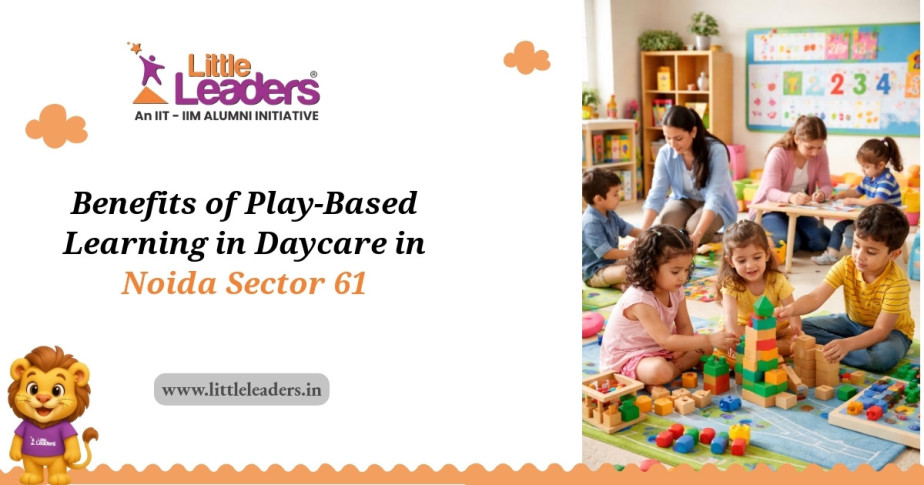
Many parents in Noida Sector 61 believe that structured lessons are the only way to prepare their children for school. But what if the real secret to early learning lies in play? Play-based learning in daycare settings is often misunderstood as just 'fun and games,' yet research shows itâs a powerful method that shapes your childâs brain, social skills, and creativity in ways traditional teaching canât match. If youâve ever wondered why some daycares emphasize play over worksheets, this insight will change how you view early education.
By the end of this read, youâll understand exactly how play-based learning in daycare in Noida Sector 61 benefits your childâs development, what it looks like in action, and how to spot a daycare that truly embraces this approach. Youâll walk away confident in choosing the right environment that supports your little leaderâs growth through joyful discovery.
Play-based learning isnât just free play; itâs a carefully designed approach where children explore, experiment, and solve problems through hands-on activities. In daycares around Noida Sector 61, this means your child might be building towers with blocks, role-playing in a mini market, or mixing colors in art projectsâall under the watchful eyes of trained educators who guide learning without pressure. For instance, a daycare like Little Leaders in Noida Sector 61 creates an environment where children can engage in various activities that promote learning through play.
Take Aarav, a curious 3-year-old at a local daycare. Instead of sitting through a formal lesson on shapes, he learns by sorting colorful blocks, discovering patterns, and naming shapes as he plays. This natural engagement helps him retain concepts better and builds his confidence to try new challenges. This hands-on experience is vital as it allows children to learn at their own pace, making education a fun and enjoyable journey.
When children play, their brains form connections that support critical thinking and creativity. In Noida Sector 61 daycares, play-based learning encourages kids to ask questions, make decisions, and collaborate with peers. For example, during a group game, children negotiate roles and rules, which sharpens communication and empathy. This social interaction is crucial as it helps children understand different perspectives and develop important social skills.
Research shows that children involved in play-based programs develop stronger language skills and problem-solving abilities. This approach also reduces stress and builds resilience, making your child more adaptable to new situationsâan essential skill for lifelong learning. For instance, a child who learns to share toys during play is also learning to share ideas and collaborate in group settings, which will be beneficial in their future academic and social endeavors.
Not all daycares claiming to use play-based learning do it well. Look for centers where play is purposeful and guided by educators who understand child development. The environment should be rich with diverse materialsâpuzzles, art supplies, natural elementsâand spaces that invite exploration. For example, Little Leaders daycare offers a variety of learning materials that cater to different interests and learning styles, ensuring that every child finds something that excites them.
Observe if teachers interact with children by asking open-ended questions and encouraging them to think rather than just giving answers. A daycare that balances freedom with structure ensures your childâs play leads to meaningful learning experiences. Additionally, check if the daycare has a clear curriculum that integrates play with educational goals, making learning seamless and enjoyable.
Extending play-based learning beyond daycare strengthens your childâs development. Simple activities like cooking together, building forts, or storytelling spark imagination and problem-solving. Encourage your child to lead playtime and express ideas freely. For instance, you can set up a mini kitchen at home where your child can pretend to cook while learning about measurements and ingredients, reinforcing concepts learned at daycare.
For instance, Meera, a 4-year-old, loves creating stories with her dolls after daycare. Her parents join in, asking questions that deepen her thinking and language skills. These moments reinforce what she learns at daycare and build a joyful connection with learning. You can also incorporate educational toys like LEGO or art supplies that promote creativity and critical thinking, making playtime both fun and educational.
Contrary to the belief that academic drills prepare kids best, play-based learning builds a foundation for lifelong success. Children develop self-regulation, curiosity, and a love for discovery that textbooks alone canât provide. In Noida Sector 61, daycares embracing this method help children transition smoothly to formal schooling with confidence and enthusiasm. This transition is crucial as it sets the tone for their future learning experiences.
Imagine your child walking into school eager to explore new ideas, collaborate with classmates, and tackle challenges creatively. Thatâs the power of play-based learning shaping their future. By fostering a love for learning through play, children are more likely to engage in their education and pursue knowledge throughout their lives.
Play-based learning focuses on child-led activities that promote exploration and creativity, unlike traditional methods that rely on structured lessons. This approach helps children develop critical thinking and social skills naturally while enjoying their day. It allows for a more personalized learning experience that caters to each child's unique interests and strengths.
Absolutely. Play-based learning adapts to each childâs pace and interests, making it effective for diverse learners. It allows children to engage in ways that suit their strengths, whether through movement, art, or social interaction. For example, a child who learns best through visual aids can benefit from art-based activities, while another who thrives on interaction can engage in group play.
Look for a daycare with trained educators who facilitate purposeful play, a stimulating environment with varied materials, and a balance between guided activities and free exploration. Visiting and observing a session can help you assess this. Additionally, inquire about their curriculum and how they integrate play with learning objectives, ensuring that your child receives a well-rounded educational experience.