Loading...
Loading...





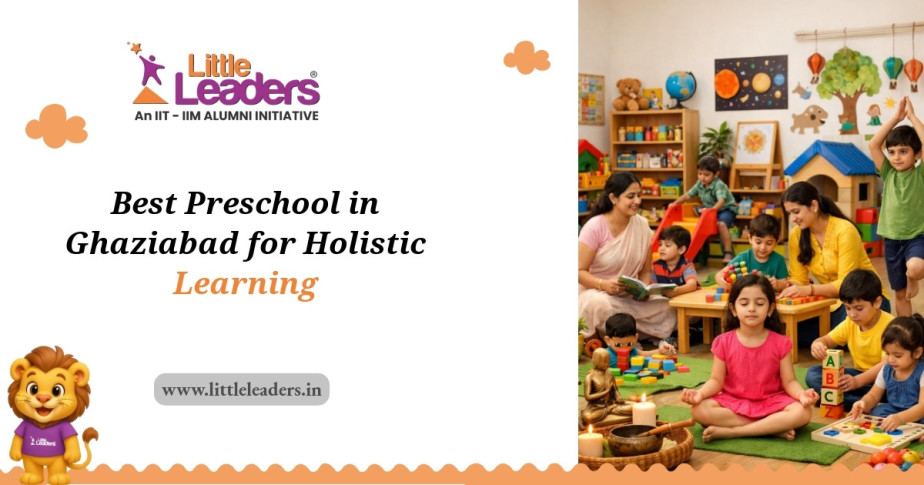
Imagine a place where your child is not just another face in the crowd, but an individual whose unique qualities are nurtured and celebrated. The best preschool in Ghaziabad for holistic learning offers exactly that. It is a space where education is not confined to textbooks and classrooms, but extends to every corner of your childs world, encouraging growth in every sense. In this environment, children are encouraged to explore their interests and develop their strengths while also learning to navigate their weaknesses. For instance, five-year-old Meera discovered her love for painting at her preschool, where she was given the freedom to express herself creatively. This nurturing environment not only boosted her confidence but also helped her develop fine motor skills.
Parents often find themselves struggling with the decision of choosing the right preschool. Questions swirl around like, will my child be happy here, or will they receive the attention they need? This choice is crucial as it sets the foundation for lifelong learning and development. To ease this process, parents can create a checklist of what they value most in a preschool, such as teaching philosophies, staff qualifications, and facilities available. This way, they can make a more informed decision that aligns with their childs needs and personality.
In this article, you will discover what makes a preschool truly stand out in terms of holistic learning. You will walk away with insights on how the best preschool in Ghaziabad fosters an environment where academic excellence and personal growth go hand in hand.
Explore the key components of a holistic learning environment in the sections below:
Holistic learning is more than just a buzzword; it is a comprehensive approach that focuses on the development of the whole child. This method of education takes into account emotional, social, physical, and cognitive aspects. The best preschools in Ghaziabad implement this approach by creating programs that cater to multiple facets of a childs growth. For example, one might see a classroom where children are not only learning math but also engaging in activities that promote emotional intelligence and social skills. Imagine a scenario where four-year-old Rohan learns about sharing and teamwork through a cooperative building project with his classmates. This type of learning experience fosters not only academic skills but also critical social skills that will serve him well in the future.
A nurturing environment is pivotal to holistic learning. The best preschools in Ghaziabad are designed to be welcoming and stimulating. Bright colors, interactive play areas, and access to nature all play a part in creating an environment where children feel safe and inspired to explore. The presence of caring educators who understand the importance of a supportive learning atmosphere is equally crucial. A visit to such a preschool might reveal how children are encouraged to express themselves freely, fostering confidence and creativity. Consider the experience of three-year-old Aditi, who felt hesitant to participate in group activities until she found herself in a vibrant classroom filled with engaging materials. The sounds of laughter and the sight of her peers happily exploring different stations encouraged her to join in, significantly boosting her self-esteem.
Children of different ages have varying developmental needs. The best preschools tailor their curriculum to meet these needs, ensuring that activities are age-appropriate. For instance, activities for two to four-year-olds might focus more on sensory experiences, while children aged four to six might engage in more structured learning. This attention to developmental stages ensures that each child receives the right balance of challenge and support. Parents can expect their three-year-olds to be more engaged in play-based learning, while five-year-olds may start to show interest in more focused tasks like simple problem-solving games. A practical step parents can take today is to observe their child during playtime and note what activities seem to engage them the most, as this can provide insight into their developmental stage.
One common mistake parents make is focusing solely on academic achievements when choosing a preschool. While academic excellence is important, it should not be the only factor considered. Parents should also look for programs that emphasize emotional and social development. For example, a preschool that prioritizes structured play and social interaction can help children develop essential skills like empathy and cooperation. Another mistake is not visiting the preschool before enrolling. A visit allows parents to observe the environment and interact with educators, which can provide valuable insights into the schools culture. Parents can avoid these pitfalls by creating a balanced checklist of priorities that includes both academic and holistic development.
Parents play a crucial role in holistic learning. The best preschools understand this and actively involve parents in the educational journey. Regular updates, workshops, and open communication channels ensure that parents are partners in their childs development. This involvement helps reinforce learning at home, creating a cohesive experience for the child. A parent, like Mrs. Sharma, whose daughter Aanya attends such a preschool, shares how being involved in her childs education has enriched their bond and provided her with tools to support learning at home. For instance, Mrs. Sharma regularly attends workshops on child development, which have equipped her with strategies to encourage Aanyas curiosity and creativity during playtime.
Holistic learning is not confined to the classroom. It extends to practical, real-world applications that help children understand the relevance of what they learn. The best preschools in Ghaziabad integrate field trips, community projects, and hands-on activities that bring lessons to life. For example, a trip to a local farm might teach children about nature, responsibility, and teamwork, all while having fun. Imagine the excitement of six-year-old Arjun as he feeds animals and learns about where food comes from during a field trip. Such experiences not only enhance learning but also create lasting memories. Parents can encourage real-life learning by asking their children about their day and discussing what they learned during these outings.
As children progress through their preschool years, parents should be attentive to various signs that indicate their development. For instance, by age three, a child should be able to follow simple instructions and express their needs verbally. By age five, they should be able to engage in basic conversations and demonstrate problem-solving skills. Parents can also look for social signs, such as how well their child interacts with peers and shares toys. Regularly observing these milestones can help parents identify areas where their child is excelling or may need additional support. Keeping a journal of these observations can also be helpful for discussions with educators.
Success stories from parents and children alike highlight the impact of holistic learning. Take the example of seven-year-old Veer, who initially struggled with traditional learning methods. His parents chose a preschool that embraced holistic learning, and they saw a transformation. Veer began to thrive academically and socially, thanks to an environment that recognized and nurtured his unique learning style. He developed a passion for storytelling, which his teachers encouraged through creative writing activities. Such stories are a testament to the effectiveness of holistic educational approaches, showing how children can flourish when their individual needs are met.
When selecting the best preschool in Ghaziabad for holistic learning, parents should consider several factors. Visit the school, observe the environment, and interact with the educators. Look for a curriculum that balances academics with creative and physical activities. Ensure that the school values parental involvement and maintains open communication. This thorough approach will help you make an informed decision that aligns with your childs needs. A practical step is to create a list of questions to ask during your visit, such as how they handle different learning styles and what kind of support they provide for children who may need it.
The benefits of holistic learning extend beyond preschool years. Children who experience this type of education are better equipped with the skills needed for future success. They tend to be more adaptable, empathetic, and confident. By choosing a preschool that prioritizes holistic learning, you are laying a strong foundation for your childs future, helping them become well-rounded individuals ready to take on the world. Imagine the day when your child graduates from high school, standing tall and confident, ready to embark on their next adventure. You can feel proud knowing that the early years spent in a nurturing preschool environment played a significant role in shaping their character and abilities.
It is essential for parents to recognize when their child may need additional support. Signs that a child may require extra help can include difficulty in social interactions, challenges in following instructions, or a lack of interest in play. If parents notice these signs, it is important to address them early on. Seeking guidance from educators or child development specialists can provide valuable insights and resources. Parents can also collaborate with their childs preschool to create a tailored plan that supports their unique learning needs. Early intervention can make a significant difference in a childs development, ensuring they receive the support they need to thrive.
A holistic preschool focuses on the comprehensive development of a child, including emotional, social, physical, and cognitive growth. It integrates various learning experiences that cater to these aspects, ensuring that children receive a well-rounded education.
Visit the preschool, observe the environment, and speak with the educators. Look for a balanced curriculum that includes creative and physical activities, as well as a nurturing atmosphere that supports emotional and social development.
Parental involvement ensures a cohesive learning experience. It reinforces learning at home and strengthens the parent-child bond, enhancing the childs educational journey. Engaged parents can provide additional support and encouragement, which is crucial for a childs development.
When evaluating a preschool curriculum, consider whether it offers a balance of academic, creative, and physical activities. Look for programs that encourage exploration and critical thinking, as well as those that prioritize emotional and social development through play-based learning and group activities.
To support your childs learning at home, create a routine that includes time for play, reading, and exploration. Encourage curiosity by asking open-ended questions and providing opportunities for hands-on activities. Additionally, stay engaged with your childs preschool by attending workshops and communicating with their teachers to reinforce what they are learning.