
Loading...
Loading...

Nullam dignissim, ante scelerisque the is euismod fermentum odio sem semper the is erat, a feugiat leo urna eget eros. Duis Aenean a imperdiet risus.




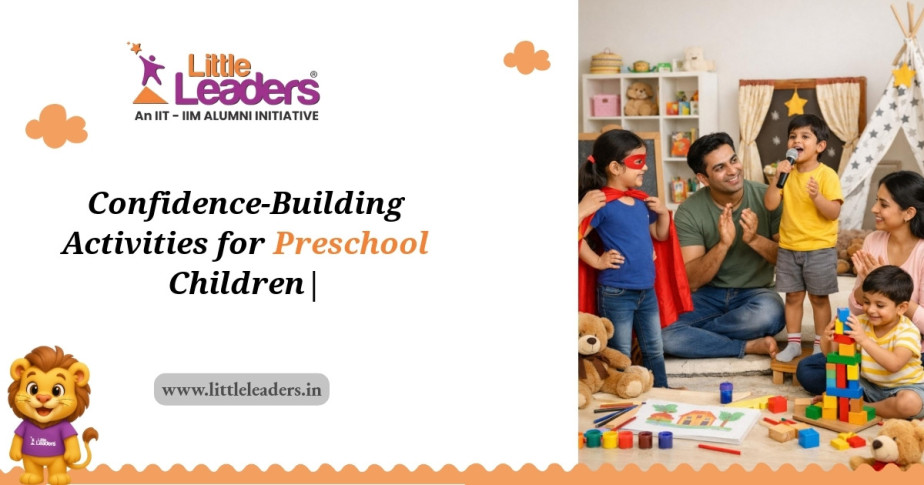
Imagine a classroom full of vibrant colors and the joyful noise of children in motion. Among them, little Aanya, a five-year-old, hesitates at the edge of the play area. Her eyes dart around, seeking reassurance from her teacher. Confidence-building activities for preschool children are not just about play; they are crucial for shaping a childs self-esteem and social skills. Parents often wonder how to nurture these aspects effectively in their young ones. One day, Aanyas teacher noticed her hesitation and decided to introduce a new activity called the confidence circle. In this circle, children take turns sharing something they love about themselves. With each turn, Aanya slowly began to speak up, sharing her love for drawing. This small step was a significant boost to her confidence.
For many parents, the challenge lies in finding activities that are both engaging and beneficial for their childs development. It is a common concern to feel uncertain about which activities will truly help in building confidence. The good news is, with the right approach, these activities can transform your childs experience, helping them to thrive in social settings and beyond. For instance, a parent might organize a small playdate where children can engage in fun games and share stories, creating an environment that fosters confidence and camaraderie.
In this guide, you will discover a variety of confidence-building activities designed specifically for preschool children. These activities are not only fun but also scientifically backed to promote self-assurance and social interaction. By the end of this article, you will have a toolkit of strategies to support your childs confidence journey. Remember, every small step counts in nurturing your childs self-esteem.
Explore these sections to find the perfect activities for your child:
Confidence in preschool children is a multi-faceted concept that develops through various experiences and interactions. At this age, children are highly impressionable, and their confidence can be significantly influenced by their environment and the activities they engage in. Preschool is a critical period where foundational skills are developed, and confidence is one of the key components. For example, three-year-old Ravi shows signs of confidence when he proudly announces his favorite color to his friends during circle time. His small victories in expressing himself contribute to his growing self-esteem.
Children like Veer, a seven-year-old who thrives when he can explore his surroundings, demonstrate how confidence can manifest differently. For Veer, allowing him the freedom to pace around the room while learning new concepts enhances his self-assurance. This illustrates that confidence is not a one-size-fits-all trait; it requires understanding and nurturing the unique needs of each child. Parents can observe their children in different settings to identify moments of confidence and encourage those behaviors.
As parents, recognizing the signs of confidence in your child and encouraging them through tailored activities can make a significant difference. Activities that promote problem-solving, social interaction, and creative expression are particularly effective in boosting confidence at this stage. Consider setting up a small puzzle challenge at home where your child can solve it independently, reinforcing their sense of achievement.
Interactive play is one of the most effective ways to build confidence in preschool children. Through play, children learn to navigate social dynamics, make decisions, and express themselves creatively. Playtime provides a safe space for children to experiment with new roles and scenarios, which in turn builds their confidence. Imagine a group of children engaged in a pretend grocery store, where they take turns being the cashier and the customer. This scenario teaches them about responsibility and decision-making, crucial aspects of confidence.
Consider a scenario where children are engaged in a role-playing game. In this setting, a child might take on the role of a teacher, directing their peers and making decisions. This type of play encourages leadership skills and decision-making, both of which are critical components of confidence. Furthermore, interactive play allows children to experience the consequences of their actions in a safe and controlled environment, reinforcing their ability to make choices confidently. Parents can set up similar role-playing scenarios at home to allow their children to explore various roles.
To maximize the benefits of interactive play, parents and educators can introduce games that require teamwork and communication. These activities not only foster confidence but also enhance social skills, preparing children for future interactions both in and out of school. For instance, a simple game of building blocks can encourage children to collaborate and share ideas, enhancing their confidence in expressing themselves.
Storytelling is a powerful tool in building confidence among preschool children. Through stories, children learn to empathize, understand different perspectives, and express their thoughts and feelings. When children listen to stories, they are exposed to new ideas and cultures, broadening their understanding of the world around them. Picture a cozy corner in a classroom where children gather around a teacher as she reads a story. Their eyes light up with wonder and curiosity, creating an atmosphere that encourages participation.
Incorporating storytelling into daily routines can significantly impact a childs confidence. For example, a simple bedtime story can be transformed into an interactive session where the child predicts what might happen next or discusses the characters feelings. This not only enhances their comprehension skills but also boosts their confidence to voice opinions and ideas. A parent might ask their child what they think the character should do next, prompting critical thinking and self-expression.
Parents can further encourage storytelling by having children create their own stories. This activity allows children to express themselves creatively and confidently, knowing that their thoughts and ideas are valued. Storytelling sessions can be complemented with drawing or acting out scenes, providing a multi-sensory experience that reinforces learning and confidence. For example, a child can illustrate their story, which not only boosts their creativity but also gives them a sense of accomplishment.
Art is another excellent medium for building confidence in preschool children. Through art, children can express their emotions, explore their creativity, and gain a sense of accomplishment. Whether it is painting, drawing, or crafting, art activities provide children with the opportunity to make choices and see the results of their efforts. Imagine a vibrant art class where children are encouraged to paint whatever they feel. The colors and textures create a lively atmosphere, fostering creativity and self-expression.
Imagine a classroom where children are encouraged to paint whatever they feel. This freedom of expression not only boosts their creativity but also reinforces their confidence in making decisions. When children see their artwork displayed, it validates their efforts and encourages them to express themselves further. A parent can create an art wall at home where their child can showcase their creations, reinforcing their sense of pride.
Parents can support this by providing a variety of art materials at home and allowing their child to create without restrictions. Encouraging children to talk about their artwork and the choices they made during the process further enhances their confidence and communication skills. For instance, a parent might ask their child to explain the story behind their drawing, promoting verbal expression.
Physical activities play a crucial role in building confidence among preschool children. Activities that involve movement and coordination not only promote physical health but also enhance self-esteem and confidence. When children engage in physical activities, they learn to set goals, overcome challenges, and celebrate their achievements. Picture a group of children participating in a fun relay race, their laughter echoing as they cheer for one another. This camaraderie builds confidence and fosters teamwork.
Consider a simple activity like a mini obstacle course set up in the backyard. As children navigate through the course, they experience a sense of accomplishment with each hurdle they overcome. This not only boosts their confidence but also teaches them resilience and perseverance. A parent can create a small course using household items, encouraging their child to complete it and celebrate their success.
Parents can incorporate physical activities into their childs routine by organizing regular playdates or family sports days. Activities like dancing, swimming, or cycling promote physical fitness and provide children with opportunities to build confidence through movement and achievement. For example, a family can have a dance-off at home, allowing children to express themselves freely and build confidence in their abilities.
Social games and group activities are essential for developing confidence in preschool children. These activities provide children with opportunities to interact with peers, learn social cues, and build friendships. Participating in group activities helps children understand the importance of teamwork and collaboration. Imagine a lively game of duck-duck-goose, where children take turns and cheer each other on. This fosters a sense of community and belonging.
For example, a simple game of musical chairs can teach children about taking turns, listening, and responding to cues. Such games are not only fun but also help children develop critical social skills that boost their confidence in group settings. A parent can organize playdates with structured games to encourage social interaction and build confidence.
Parents can encourage participation in group activities by enrolling their child in community programs or arranging playdates with other children. These interactions provide valuable experiences that contribute to a childs confidence and social development. For instance, a local art class can provide opportunities for children to collaborate and create together, enhancing their social skills.
One common mistake parents make is placing too much pressure on their children to succeed in activities. This pressure can lead to anxiety and decreased confidence. Instead, parents should focus on the process rather than the outcome. For example, if a child is drawing, it is important to praise their effort and creativity rather than the final product. Parents can ask open-ended questions like what they enjoyed about creating the artwork, encouraging a positive mindset.
Another mistake is not allowing children to experience failure. Children learn valuable lessons from setbacks, and it is essential for parents to guide them through these experiences. Instead of immediately stepping in to solve problems, parents can encourage their children to think critically and find solutions themselves. This approach fosters resilience and confidence over time.
As children engage in confidence-building activities, parents should watch for signs of progress. One indicator is an increase in willingness to try new things. For example, a once-shy child may begin to join group activities or express interest in participating in performances. This shift indicates growing self-assurance and comfort in social settings.
Another sign is improved communication skills. Children who are becoming more confident often express their thoughts and feelings more openly. They may initiate conversations or share their ideas during group discussions. Parents can encourage this by providing opportunities for their children to speak in front of others, such as during family gatherings or playdates.
The role of a parent in building confidence in preschool children cannot be overstated. Parental involvement and support are crucial in providing children with the encouragement and validation they need to build self-esteem. By actively participating in their childs activities, parents can reinforce positive behaviors and boost confidence. Consider the impact of a parent cheering from the sidelines during a childs first sports day. This support not only motivates the child but also instills a sense of pride and confidence. A parent can also engage in activities alongside their child, such as playing games or reading together, fostering a strong bond.
Parents can further support their childs confidence by providing constructive feedback and celebrating their achievements, no matter how small. For instance, after completing a craft project, a parent can express genuine admiration for their childs creativity, reinforcing their self-worth. Creating a nurturing and supportive environment at home is key to building confidence. Parents should encourage open communication, listen to their childs concerns, and provide reassurance when needed. By doing so, they lay the foundation for a confident and self-assured child.
Encourage participation in group activities and offer praise for small achievements. Gradually expose them to new social settings to build comfort and confidence. For example, invite a friend over for a playdate to create a safe environment for interaction. It is also helpful to model social behaviors by engaging in conversations with others in front of your child.
Interactive play, storytelling, art, and physical activities are excellent for building confidence. Choose activities that align with your childs interests to maximize engagement. For instance, if your child enjoys sports, consider enrolling them in a local team where they can build skills and friendships. Artistic activities can also provide a platform for self-expression and confidence development.
Create a supportive environment, offer constructive feedback, and celebrate achievements. Encourage open communication and listen to your childs concerns. Regularly engage in activities together, such as cooking or crafting, to foster cooperation and confidence. It is important to validate their feelings and encourage them to express themselves freely.
If your child shows signs of low confidence, such as reluctance to participate in activities or difficulty making friends, it is essential to address these concerns. Start by having open conversations with your child about their feelings and experiences. Encourage small steps towards social engagement, such as inviting a friend over for a playdate. If concerns persist, consider seeking guidance from a child psychologist or counselor who specializes in early childhood development.
If your child consistently struggles with confidence or social interactions despite your efforts, it may be time to seek extra support. Signs such as extreme shyness, fear of new situations, or difficulty making friends can indicate a need for professional help. Early intervention can lead to more effective outcomes, so do not hesitate to reach out to a professional who can provide tailored strategies to help your child thrive.
Imagine a scene where a once-timid Aanya confidently stands in front of her class, sharing her favorite story with a big smile. Her classmates listen intently, and she feels a sense of pride and accomplishment. This is the power of confidence-building activities for preschool children. By engaging in these activities, nurturing their self-esteem, and providing support, parents can help their children flourish. LittleLeaders.in can be a valuable resource in your journey to support your childs confidence development.