
Loading...
Loading...

Nullam dignissim, ante scelerisque the is euismod fermentum odio sem semper the is erat, a feugiat leo urna eget eros. Duis Aenean a imperdiet risus.




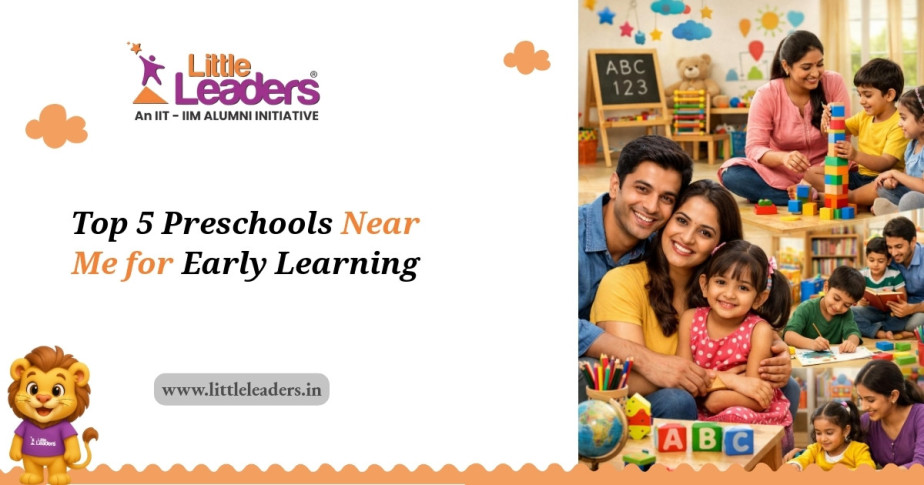
As the sun peeks through the curtains, the hustle and bustle of a new day begins in many households. Parents are often faced with the daunting decision of where to enroll their young ones for early learning, a decision that can shape the foundation of the education of their child. The search for the top 5 preschools near me for early learning excellence is a quest many embark on, hoping to find the perfect environment that nurtures curiosity and growth. Imagine waking up to the sound of laughter and excitement as your child prepares for a day filled with learning and discovery. This is the dream that many parents hold dear as they navigate the preschool landscape.
For many parents, the challenge lies in navigating through a sea of options, each promising a unique approach to early education. The choice of preschool is not just about proximity but about finding a place that aligns with the values and educational goals parents hold dear. It is a decision fraught with questions and a desire to ensure the best start for their childs learning journey. Consider the experience of four-year-old Tara, who thrived in an environment that encouraged her love for nature. Her parents noticed her excitement when she came home with stories about planting seeds and caring for a garden, showcasing the impact of a well-rounded preschool experience.
In this article, you will discover a comprehensive guide to the top 5 preschools near you, offering insights into what makes each one stand out. From curriculum highlights to parent testimonials, this guide aims to equip you with the knowledge needed to make an informed decision. Let us explore the possibilities and find the perfect fit for your childs early education. Picture your child engaged in hands-on activities, collaborating with peers, and developing essential skills that will serve them well in the future.
Explore the sections below to learn more about each preschool and what they offer.
Every child is unique, with distinct learning needs and styles. Understanding these needs is crucial when selecting a preschool. At the heart of early education is the ability to cater to a diverse range of developmental stages, ensuring that each child receives the support and encouragement they need to thrive. This section delves into the key elements that define quality early learning environments and why they matter. For instance, three-year-old Liam was hesitant to participate in group activities until his teacher introduced interactive storytelling. This approach not only engaged him but also helped him develop confidence in expressing himself in front of others.
A common mistake parents make is focusing solely on the reputation of a preschool rather than considering the fit for their child. It is essential to visit multiple preschools and observe how children interact in those environments. For example, parents may assume that a well-known preschool will automatically be the best choice, but they might overlook how their child responds to the atmosphere and teaching style. Taking the time to assess your childs comfort level and preferences can lead to a more positive preschool experience. Additionally, parents should not hesitate to ask questions during tours, ensuring they understand the preschools philosophy and practices.
Understanding what to expect from your child at various ages can help you gauge their readiness for preschool. At age three, children are typically developing basic motor skills and beginning to engage in parallel play, where they play alongside peers but not necessarily together. By age five, children often display increased social skills, such as sharing and taking turns, and they may begin to understand the concept of teamwork. This developmental progression is important to consider when selecting a preschool that caters to these evolving needs. Parents should observe their childs interests and social interactions to ensure they choose a preschool that fosters growth at each stage.
When looking for top preschools near you, it is essential to explore various options available in your locality. Each preschool offers something different, from teaching philosophies to extracurricular activities. This section provides an overview of local preschools that have been recognized for their excellence in early education, helping you narrow down your choices. For example, one preschool may focus on nature-based learning, allowing children to explore the outdoors, while another might emphasize creative arts and music. Visiting different preschools can provide insight into which environment will best support your childs interests and learning style.
The curriculum is the backbone of any educational institution. Understanding the different learning approaches that preschools adopt can help parents make informed decisions. In this section, we will explore the various curriculums offered by top preschools, from Montessori to play-based learning, and how these methods cater to the developmental needs of young children. For instance, a preschool that follows a play-based curriculum might create an engaging environment with various learning stations, where children can explore science through hands-on experiments or express their creativity through art projects. This approach encourages children to learn through exploration and discovery.
Hearing from other parents can provide valuable insights into what you can expect from a preschool. This section features testimonials from parents who have experienced the journey firsthand, sharing their stories and experiences. For example, five-year-old Aanya refused her math worksheet last Tuesday until her father introduced a fun counting game, turning frustration into joy. Parents often highlight how preschools foster their childs love for learning and boost their confidence. Listening to these testimonials can help parents feel more assured in their decision-making process.
Enrolling your child in a preschool involves several steps, from visiting the facilities to understanding the admission process. This section offers a practical guide to the enrollment process, ensuring that you have all the information you need to secure a place for your child in a top preschool. Start by creating a checklist of what to look for during your visits, such as the cleanliness of the facilities, the interaction between teachers and students, and the availability of resources. Additionally, consider reaching out to other parents for recommendations and insights on the enrollment process, as they may have valuable tips to share.
Incorporating technology into early education can enhance learning experiences. This section explores how top preschools integrate technology into their curriculum, providing children with opportunities to engage with digital tools that support their learning and development. For example, some preschools use tablets to introduce educational apps that promote literacy and numeracy skills. However, it is crucial to balance screen time with hands-on activities, ensuring that children develop a well-rounded skill set. Parents should inquire about how technology is used in the preschool setting and how it complements traditional learning methods.
Social and emotional development is a critical aspect of early education. Preschools play a significant role in helping children develop these skills. This section examines how top preschools create environments that encourage social interaction and emotional growth, preparing children for future educational challenges. For instance, a preschool might implement group activities that require teamwork, allowing children to practice communication and cooperation skills. Parents should look for preschools that prioritize social-emotional learning, as these skills will benefit their child throughout their educational journey.
As your child progresses through preschool, there are several signs of development to observe. These may include increased independence, improved communication skills, and a growing interest in learning new concepts. For example, a child who previously struggled with sharing may begin to willingly share toys with peers, indicating social growth. Parents should celebrate these milestones and communicate with teachers about their childs progress. Regular check-ins can provide additional insights into how well your child is adapting and thriving in the preschool environment.
Transitioning from preschool to primary school is a significant milestone in a childs educational journey. This section provides tips and strategies to help parents and children prepare for this change, ensuring a smooth transition and continued success in their educational pursuits. Consider creating a daily routine that mimics the structure of primary school, including set times for learning, play, and rest. Additionally, parents can visit the new school together, allowing their child to familiarize themselves with the environment. This proactive approach can ease anxiety and build excitement for the new adventure ahead.
Imagine the joy of watching your child thrive in a nurturing environment, where their curiosity is sparked and their potential is unlocked. By choosing the right preschool, you set the stage for a lifetime of learning and growth. Picture your child confidently engaging with their peers, exploring new ideas, and developing a love for learning that will last for years to come. As you explore the options, remember to consider what aligns best with your childs needs and your familys values. For more resources and support, visit LittleLeaders.in, where you can find additional guidance and tips for early education.
When choosing a preschool, consider factors such as the curriculum, teacher qualifications, class size, and the overall environment. It is important to find a preschool that aligns with your educational goals and values. Visit the facilities, observe interactions, and ask questions to ensure it is the right fit for your child.
To help your child adjust to preschool, establish a routine, visit the preschool together before the first day, and encourage them to talk about their feelings. Providing reassurance and support will make the transition smoother. Engage in conversations about what they might experience and let them express any concerns.
If your child consistently appears unhappy or stressed, it may be a sign that the preschool is not a good fit. Trust your instincts and consider exploring other options if necessary. Look for changes in behavior, such as reluctance to attend or increased anxiety, as these may indicate underlying issues.
Parents play a crucial role in their childs preschool education by being actively involved in their learning journey. This includes attending parent-teacher meetings, volunteering in the classroom, and reinforcing learning at home. Open communication with teachers can help parents stay informed about their childs progress and challenges.
Finding the right preschool involves researching local options, visiting facilities, and considering your childs unique needs and interests. Speak with other parents for recommendations and read online reviews. Trust your instincts and choose a preschool that feels right for your child and aligns with your familys values.