Loading...
Loading...

Nullam dignissim, ante scelerisque the is euismod fermentum odio sem semper the is erat, a feugiat leo urna eget eros. Duis Aenean a imperdiet risus.




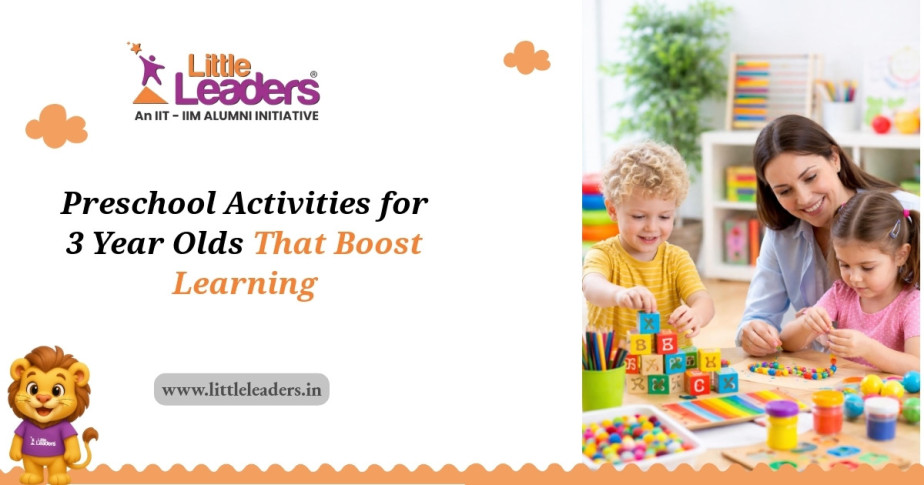
As parents, we all want to give our little ones the best start in life, especially when it comes to learning and development. Finding the right preschool activities for 3 year olds that boost learning can sometimes feel overwhelming. You want activities that are fun, engaging, and educational, but also age-appropriate and supportive of your child's unique growth. The good news is that with the right guidance, you can confidently nurture your child's curiosity and skills at this exciting stage.
At age three, children are rapidly developing their language, motor skills, creativity, and social abilities. This is a perfect time to introduce activities that encourage exploration and build foundational skills for lifelong learning. Whether at home or in a preschool setting, these activities can help your child gain confidence, express themselves, and develop critical thinking.
In this article, we will explore a variety of preschool activities for 3 year olds that boost learning across multiple areas including creativity, communication, leadership, and holistic growth. You'll find practical ideas, tips, and insights to support your child's development in a warm and reassuring way. Let's dive in and discover how to make learning joyful and meaningful for your little leader.
Creative play is essential for preschoolers as it nurtures imagination and problem-solving skills. Activities like drawing, painting, and simple crafts allow 3 year olds to express their thoughts and feelings in a safe, open way. Using everyday materials such as colored paper, crayons, and recycled items can turn into exciting projects that boost creativity.
Try setting up a small art station where your child can freely explore colors and shapes. Encourage storytelling about their artwork to deepen language skills. Role-playing with dolls or puppets also helps children experiment with social scenarios and develop empathy. These creative activities not only entertain but also build confidence and cognitive flexibility.
Remember to keep the focus on the process rather than the product. Celebrate effort and curiosity to foster a love of learning that lasts beyond preschool years.
Storytelling is a powerful tool to enhance language and communication skills in 3 year olds. Listening to stories helps children understand sentence structure, new vocabulary, and the rhythm of language. Encouraging your child to tell their own stories boosts confidence and narrative skills.
Use picture books with simple plots and colorful illustrations to engage your child. Pause to ask questions about the story and encourage predictions to develop critical thinking. You can also create storytime routines that include singing songs and rhymes, which improve memory and phonemic awareness.
At home, invite your child to describe their day or invent stories about their toys. This practice strengthens expressive language and helps them organize thoughts clearly, laying a foundation for effective communication.
Introducing basic science concepts through hands-on activities can ignite a 3 year old's natural curiosity. Simple experiments like mixing colors, exploring textures, or observing plants teach children about cause and effect and the world around them.
For example, you can create a sensory bin with water, sand, and small objects to explore different materials. Planting seeds and watching them grow teaches patience and responsibility. These activities promote observation skills and encourage asking questions, which are key to scientific thinking.
Keep explanations simple and focus on discovery rather than correctness. Celebrate your child's questions and encourage them to explore answers together, fostering a lifelong love of learning.
Physical development is closely linked to cognitive growth in young children. Activities that improve gross and fine motor skills help 3 year olds gain control over their bodies and build confidence. Simple exercises like jumping, balancing, and throwing balls enhance coordination and spatial awareness.
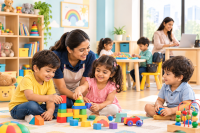
Indoor activities such as building block towers or threading beads develop fine motor skills and hand-eye coordination. Outdoor play like running, climbing, or riding tricycles supports strength and endurance. These physical activities also provide opportunities for social interaction and teamwork.
Encourage your child to try new movements at their own pace and celebrate their progress. A healthy body supports a healthy mind, making physical play a vital part of preschool learning.
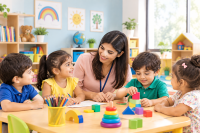
Group play is an excellent way for 3 year olds to develop social skills and early leadership qualities. Playing with peers teaches sharing, cooperation, and conflict resolution. It also helps children understand emotions and build friendships.
Organize small playdates or join preschool groups where your child can practice taking turns and expressing themselves. Role-playing games and team activities encourage children to listen, negotiate, and lead in age-appropriate ways.
As parents, you can model positive social behavior and gently guide your child through challenges. These experiences build confidence and prepare children for future social and academic environments.
A supportive home environment is key to reinforcing preschool activities that boost learning. Designate a cozy, well-lit space with accessible materials where your child can explore independently or with you. Rotate toys and supplies to keep interest fresh and stimulate different skills.
Establish consistent routines that include time for creative play, reading, physical activity, and rest. Use positive reinforcement to encourage curiosity and effort. Limit screen time and prioritize hands-on experiences that engage multiple senses.
By creating a nurturing and stimulating environment, you empower your child to become an enthusiastic learner who feels safe to take risks and try new things.
One mother shared how introducing simple science activities transformed her shy 3 year old into a curious explorer. Starting with a small plant-growing project, her child began asking questions and showing excitement about nature. This newfound curiosity spilled over into other areas like storytelling and creative play, boosting confidence and communication skills.
Another parent described how group play at preschool helped her child develop leadership qualities. Initially hesitant to join, the child gradually learned to share ideas and take turns leading games. This experience built social skills and a sense of belonging that positively impacted overall development.
These stories highlight how tailored preschool activities can nurture growth in multiple areas, making learning joyful and meaningful.
Most children can begin preschool activities around age 3 when they are ready to engage in group settings and follow simple instructions. However, every child develops at their own pace, so observe your child's interest and comfort level to decide the best time.
It's normal for some children to feel shy. Start with one-on-one activities at home and gradually introduce group play. Encourage your child gently and celebrate small steps. Partnering with supportive caregivers or teachers can also ease the transition.
Both structured activities and free play are important. Structured play teaches specific skills, while free play fosters creativity and independence. Aim for a healthy mix that suits your child's temperament and interests.
Simple, safe, and versatile materials like crayons, blocks, water, sand, and recycled items work well. Choose items that encourage exploration and creativity without overwhelming your child.
Explore the rich resources and expert guidance available at LittleLeaders.in to find more preschool activities for 3 year olds that boost learning. Join our community to connect with other parents and discover tailored programs that support your child's holistic growth. Start your child's joyful learning journey today!