
Loading...
Loading...





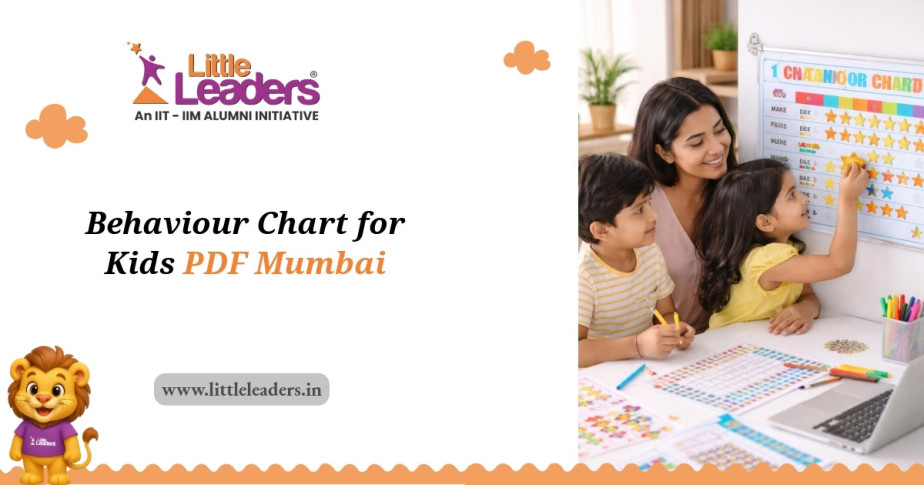
Many parents in Mumbai turn to behaviour charts for kids PDF versions, hoping these tools will magically transform their child's attitude overnight. But hereâs a truth that often gets overlooked: behaviour charts arenât a quick fix or a one-size-fits-all solution. If youâve ever felt frustrated that your childâs chart isnât working as expected, youâre not alone. The myth that simply downloading and printing a behaviour chart will solve discipline challenges is widespread, yet incomplete. Understanding what behaviour charts can and cannot do is key to making them effective. This article will clear up common misconceptions and show you how to use a behaviour chart for kids PDF in Mumbai thoughtfully and successfully. By the end, youâll know how to tailor this tool to your childâs unique needs and family rhythm, turning it into a positive experience rather than a source of stress.
Imagine 5-year-old Aarav, who loves stickers but loses interest in his behaviour chart after a week. Many parents expect that the chart alone will motivate kids consistently. The truth is, behaviour charts are only as effective as the context around them. They require clear communication, consistent follow-through, and genuine encouragement. Without these, the chart becomes just another piece of paper. For instance, if Aarav's parents set aside time each week to review the chart together, discussing what went well and what could improve, it would reinforce the importance of the chart and keep him engaged.
Behaviour charts work best when they are part of a broader parenting approach that includes understanding your childâs emotions and developmental stage. Simply printing a behaviour chart PDF from Mumbai-based resources wonât guarantee success unless you engage with your child about what the chart means and celebrate small wins together. For example, if Aarav earns a sticker for sharing his toys, his parents can celebrate that achievement with a small treat or extra playtime, reinforcing the positive behaviour.
Not all behaviour charts are created equal. Some focus on daily tasks, others on emotional regulation or social skills. When selecting a behaviour chart for kids PDF in Mumbai, consider your childâs age, temperament, and the specific behaviours you want to encourage. For example, a chart for a 3-year-old might focus on simple tasks like brushing teeth or sharing toys, while a 7-year-oldâs chart could include homework completion and respectful communication. Websites like LittleLeaders.in offer a variety of charts tailored to different age groups and needs.
Look for charts that are visually appealing and easy to understand. Mumbai parents often prefer colourful, culturally relatable designs that resonate with their children. Also, check if the PDF allows customization so you can add or remove tasks as your child grows or as priorities shift. For instance, if your child excels at completing homework but struggles with chores, you can adjust the chart to reflect that focus.
One common mistake is expecting immediate and perfect behaviour changes. Take Meera, a 6-year-old from Mumbai, who struggled with bedtime routines. Her parents used a behaviour chart PDF but initially set too many goals, leading to frustration for everyone. Scaling back to two or three achievable goals made a huge difference. For example, instead of expecting her to go to bed without fuss every night, they focused on her brushing her teeth and reading a story before bed.
Set clear, realistic goals that your child can understand and achieve. Celebrate progress, not perfection. This approach helps your child feel successful and motivated to keep trying. Remember, behaviour charts are tools to guide and encourage, not punish or shame. You might consider creating a reward system where Meera earns points for each goal she meets, which can be exchanged for a fun family outing or a new book.
When children participate in choosing the behaviours to track and the rewards they can earn, they feel more ownership and motivation. For instance, Aaravâs parents sat down with him to pick stickers he liked and decide on small rewards like extra playtime or a favourite snack. This involvement made the behaviour chart more meaningful and fun. You can also encourage your child to decorate the chart, making it a creative project that fosters excitement.
Discuss the chart regularly with your child. Ask how they feel about their progress and what they find challenging. This ongoing conversation builds trust and helps you adjust the chart to better fit your childâs needs. For example, if Aarav expresses that he finds it hard to remember to do his homework, his parents can help him create a visual reminder or adjust the chart to include homework prompts.
Consistency is the backbone of any behaviour management strategy. Using a behaviour chart for kids PDF in Mumbai means regularly updating the chart and following through on rewards or consequences. If you miss days or donât acknowledge your childâs efforts, the chart loses its power. For instance, if Meera earns a sticker for a week of good behaviour but her parents forget to reward her, she may feel discouraged and less motivated.
Focus on positive reinforcement. Praise your childâs efforts and improvements, even small ones. This encourages a growth mindset and helps your child associate good behaviour with positive feelings rather than fear or pressure. You might say, âIâm so proud of you for completing your homework every day this week! Letâs celebrate with a movie night!â This reinforces the behaviour and makes it more likely to continue.
Sometimes, behaviour charts alone arenât enough. If your childâs behaviour challenges persist or worsen despite your best efforts, it might be time to consult a child development expert or counsellor in Mumbai. They can help identify underlying issues and suggest tailored strategies beyond charts and rewards. For example, if Aarav continues to struggle with sharing, a professional might suggest social skills training or group activities that foster cooperation.
Remember, behaviour charts are one tool among many. Combining them with empathy, patience, and professional guidance when needed creates the best environment for your childâs growth. Resources like LittleLeaders.in can connect you with local experts who can provide additional support and strategies.
Using a behaviour chart for kids PDF in Mumbai can be a rewarding experience when approached with the right mindset. Youâll see your childâs confidence grow as they meet goals and feel understood. LittleLeaders.in offers helpful resources and guidance to support you along the way. Take the first step today by choosing a chart that fits your familyâs style and start celebrating those small victories together.