
Loading...
Loading...





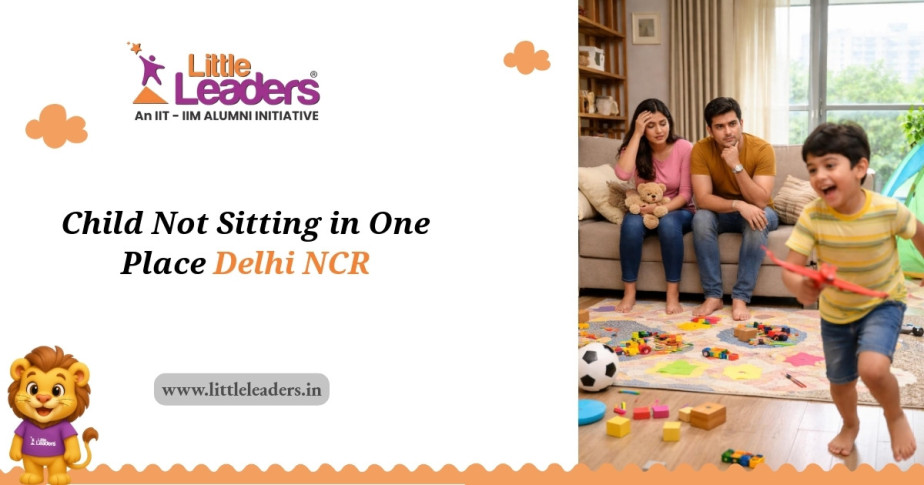
When your child in Delhi NCR just canât seem to sit still, itâs easy to feel overwhelmed. You might wonder if this restlessness is a sign of something more or just a phase. Research shows that childrenâs need to move is deeply wired into their development, especially in bustling urban environments like Delhi NCR where space and stimulation vary widely. Understanding the science behind why your child is not sitting in one place can change how you approach their energy and focus.
Take Aarav, a lively 4-year-old from Gurgaon, who struggles to stay seated during storytime at preschool. His teacher often worries, but developmental experts explain that this behavior is common and linked to how young brains and bodies grow. This article will unpack the science behind hyperactivity and movement in children, offer practical insights tailored for parents in Delhi NCR, and help you channel your childâs energy positively.
Childrenâs brains and bodies develop hand-in-hand, and movement plays a crucial role in this process. Neuroscience research reveals that physical activity stimulates neural connections, improving attention and cognitive skills. For children who find it hard to sit still, their bodies might be signaling a need for sensory input or motor engagement. In Delhi NCRâs fast-paced environment, children like Aarav often experience a sensory overload or under-stimulation, which can manifest as constant movement.
Experts emphasize that rather than forcing children to sit still, parents can support their development by incorporating frequent movement breaks and activities that engage both mind and body. This approach respects the natural rhythm of a childâs growth and helps reduce frustration for both child and parent. For instance, parents can set up a mini obstacle course at home using cushions and soft toys to encourage movement while also making it a fun game.
Living in Delhi NCR means navigating crowded spaces, limited play areas, and high sensory stimulation from traffic, noise, and crowds. These factors can affect a childâs ability to focus and remain seated. For example, a child like Aarav might find it harder to settle indoors after a noisy day outside or when confined to small spaces without outlets for physical energy.
Research indicates that children in urban settings often benefit from structured physical activities that mimic natural movement patterns. Parents can create mini movement zones at home or seek out local parks and activity centers designed for energetic children. Understanding the environmental impact on your childâs behavior helps tailor strategies that work within the realities of Delhi NCR life. For example, the popular Little Leaders program offers classes that incorporate movement and play, making learning engaging for active children.
Not all restlessness is the same. Some children naturally have higher energy levels, while others may show signs of hyperactivity linked to conditions like ADHD. The key difference lies in how movement affects their daily functioning. If your childâs inability to sit still disrupts learning, social interactions, or sleep, it might be time to consult a specialist.
In Delhi NCR, access to child development experts is growing, and early assessment can provide clarity. For instance, Aaravâs parents noticed his constant movement was affecting his concentration and sought guidance. With professional support, they learned strategies to help him manage his energy and improve focus without harsh discipline. Local clinics and child psychologists are increasingly offering workshops that focus on understanding child behavior in urban settings, which can be invaluable for parents.
Embracing your childâs energy can be empowering. Here are some science-backed tips for parents in Delhi NCR dealing with a child who wonât sit still:
These steps can transform your childâs restlessness into a strength rather than a struggle. Additionally, engaging with local parenting groups can provide support and new ideas.
Many schools and early learning centers in Delhi NCR are recognizing the need to accommodate children who find it hard to sit still. Programs now often include movement-based learning, sensory activities, and flexible seating arrangements. Aaravâs preschool, for example, introduced yoga and dance breaks that help children reset their focus.
Parents can look for such progressive programs or advocate for these changes in their childâs school. Understanding that movement is part of learning helps create a supportive environment where children thrive rather than feel constrained. Schools that incorporate outdoor learning experiences, such as nature walks or field trips, can also provide children with the necessary physical activity to balance their energy levels.
Itâs natural to feel frustrated when your child wonât sit still, especially in a culture that values calm and order. But patience and empathy go a long way. Remember Aaravâs mother, who learned to see his movement as a form of communication and growth rather than defiance. This shift in mindset helped her respond with calm strategies instead of stress.
Connecting with other parents in Delhi NCR facing similar challenges can also provide emotional support and practical ideas. Little Leaders offers a community and resources to help you navigate these moments with confidence and warmth. Joining local parenting forums or attending workshops can also provide valuable insights and strategies.
With understanding and the right tools, your childâs energy can become a source of joy and discovery. Remember, every child is unique, and finding what works best for your family may take time and experimentation.
By embracing the science behind why your child is not sitting in one place in Delhi NCR, you gain insight and strategies to support their unique needs. This knowledge empowers you to create a nurturing environment where your childâs natural movement fuels their growth and happiness. Ultimately, fostering a positive relationship with your child's energy will lead to a more harmonious home and happier family life.