Loading...
Loading...





Imagine a morning where your preschooler wakes up with a smile, eager to embrace the day. The sun peeks through the curtains, and the sound of birds chirping sets a serene background. This is the ideal start for many parents, yet reality often presents a different picture. The rush, the chaos, and the never-ending to-do list can overshadow the peaceful morning we envision. But what if the key to transforming this chaos lies in instilling healthy habits in our little ones?
Parents often find themselves wondering about the essential habits that preschoolers should learn. These formative years are crucial for laying the groundwork for a lifetime of well-being. The curiosity about which habits will make a difference is a common concern. From brushing teeth without a fuss to choosing fruits over candies, the journey towards healthy habits can seem daunting, yet it is incredibly rewarding.
By the end of this article, you will have a comprehensive understanding of the healthy habits every preschooler should learn. You will discover practical tips and real-life examples to make this journey enjoyable and effective. We will explore habits that not only promote physical health but also foster emotional and social well-being, setting the stage for your childs holistic development.
Explore the essential habits that will shape your childs future.
Starting the day on a positive note sets the tone for the hours that follow. Establishing a consistent morning routine is a healthy habit that preschoolers should learn early on. This routine might include waking up at a set time, brushing their teeth, and getting dressed independently. For instance, four-year-old Aarav begins his day with a cheerful Good morning to his parents, followed by brushing his teeth and washing his face. This simple routine not only promotes personal hygiene but also instills a sense of responsibility and independence.
Parents can encourage their children by turning these tasks into engaging activities. Using a colorful toothbrush or playing a favorite song during the brushing session can make it more enjoyable. The key is consistency, as it helps preschoolers understand the importance of maintaining hygiene and prepares them for the days activities. Additionally, parents can set up a visual chart that outlines the morning routine. This visual aid can help children follow along and feel a sense of accomplishment as they check off each task.
One common mistake parents make is rushing through the morning routine, which can lead to stress for both the child and the parent. When parents hurry their preschoolers, it can create anxiety and resistance. Instead, take the time to explain each step of the routine and allow your child to participate actively. For example, if a child struggles with getting dressed, parents can offer choices, such as letting them pick between two shirts. This not only gives the child a sense of control but also makes the process smoother and more enjoyable.
Nutrition plays a vital role in the development of preschoolers. Healthy eating habits are crucial for their growth and energy levels. Introducing a variety of fruits, vegetables, and whole grains into their diet is essential. Take the example of five-year-old Aanya, who initially resisted eating her greens. Her mother, Priya, creatively transformed mealtime into a story session, where each vegetable had a character and a story to tell. This imaginative approach intrigued Aanya and encouraged her to try different foods.
Parents can adopt similar strategies by involving their children in meal preparation or creating fun shapes with food. This not only makes eating enjoyable but also educates them about the importance of a balanced diet. For instance, parents can create a colorful fruit salad together, allowing children to explore various textures and flavors. Encouraging children to make healthy choices from an early age sets the foundation for lifelong healthy eating habits. Moreover, parents should model healthy eating behaviors themselves, as children often imitate what they see.
As children begin to adopt healthy eating habits, parents should look for signs of progress. One key indicator is a willingness to try new foods. For example, if a child who previously refused vegetables begins to taste them, it is a positive sign. Additionally, parents may notice their preschoolers asking for fruits as snacks instead of processed sweets. Another sign is when children express interest in helping with meal preparation, which shows they are becoming more engaged in their food choices. Parents should celebrate these milestones, as they reinforce positive behaviors and encourage further exploration of nutritious options.
Physical activity is a cornerstone of healthy development in preschoolers. Engaging in active play promotes physical health and helps in the development of motor skills. Whether it is running around in the park, riding a bicycle, or participating in a dance session, movement is essential. Six-year-old Veer loves his evening playtime in the garden, where he races with his friends and climbs the jungle gym. This not only keeps him physically active but also enhances his social skills.
Parents can encourage physical activity by planning family outings or setting up playdates. Creating an environment that promotes movement and play helps preschoolers understand the importance of staying active. For example, parents can designate a specific time each day for outdoor play, such as a family walk after dinner. It is also beneficial to limit screen time, as excessive television or tablet use can reduce physical activity. Engaging children in games that require movement, such as tag or hide and seek, can make exercise fun and exciting.
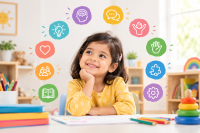
Understanding and managing emotions is a crucial aspect of a preschoolers development. Teaching emotional intelligence and mindfulness can help children navigate their feelings and build resilience. Simple activities like deep breathing exercises or discussing emotions through storytelling can be effective. For instance, seven-year-old Riya practices mindfulness with her father every evening. They sit quietly and focus on their breathing, which helps Riya calm down after a busy day.
Parents can introduce mindfulness through activities that encourage children to express their emotions and understand others feelings. This not only improves emotional well-being but also fosters empathy and compassion. For example, parents can create a feelings chart with different emotions illustrated, helping children identify and articulate their feelings. Encouraging discussions about emotions during everyday situations can also enhance emotional awareness. By nurturing emotional intelligence, parents equip their children with tools to handle lifes challenges with confidence.
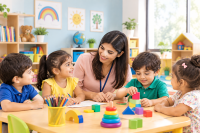
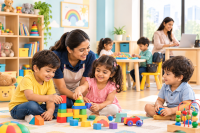
Developing social skills is essential for preschoolers as they learn to interact with others. Encouraging cooperation, sharing, and communication helps children build positive relationships. Group activities, such as playing team sports or participating in cooperative games, teach valuable social skills. Five-year-old Arjun enjoys his time at the playgroup, where he learns to take turns and share toys with his friends.
Parents can support social skill development by arranging playdates or engaging in role-playing activities. These experiences teach children how to interact positively with peers and adults. For instance, parents can set up a pretend grocery store at home, allowing children to practice taking turns and communicating their needs. By fostering social skills, parents prepare their children for successful interactions in various social settings. It is also important for parents to model positive social interactions, demonstrating how to greet others, make eye contact, and listen actively.
A good nights sleep is vital for a childs overall health and development. Establishing bedtime rituals helps preschoolers wind down and prepare for restful sleep. A consistent routine, such as reading a bedtime story or having a warm bath, signals to the child that it is time to rest. Six-year-old Maya loves her bedtime story sessions with her mother, which help her relax and fall asleep peacefully.
Parents can create a calming bedtime environment by dimming the lights and reducing noise. Encouraging a regular sleep schedule ensures that children get the rest they need to grow and thrive. For example, parents can set a specific bedtime and stick to it, even on weekends. Additionally, incorporating soothing activities like gentle stretching or soft music can enhance relaxation. By prioritizing sleep, parents contribute to their childs physical and mental well-being. It is important to note that children may resist bedtime, so patience and consistency are key in establishing these rituals.
Incorporating these healthy habits into your preschoolers daily routine can transform their development journey. Each habit plays a crucial role in shaping their future, providing them with skills and values that last a lifetime. Picture a scene where your child wakes up with enthusiasm, eagerly chooses a healthy breakfast, engages in playful activities with friends, and expresses their feelings openly. This is the success every parent envisions, and your support and encouragement are key to making these habits a part of their everyday life. To explore more tips and resources on nurturing healthy habits in preschoolers, visit LittleLeaders.in. Here, you will find a wealth of information designed to support parents and children through every stage of development.
Involve your child in meal preparation and present vegetables in fun, colorful ways. Create engaging stories around the vegetables to spark interest. Additionally, try offering a variety of dips, such as hummus or yogurt, to make vegetables more appealing. Encourage your child to help pick out vegetables at the grocery store or farmers market, fostering a sense of ownership over their food choices.
Establish a consistent bedtime routine with activities like reading a story or having a warm bath. Create a calming environment to help them relax. Consider incorporating a wind-down period where screens are turned off, and quiet activities are encouraged. This can include gentle stretches, soft music, or a relaxing massage to help your child transition to sleep.
Introduce mindfulness and emotional awareness through simple activities like deep breathing and storytelling. Encourage them to express their feelings openly. You can create a feelings journal where your child can draw or write about their emotions. This practice not only enhances emotional literacy but also provides a safe space for your child to explore their feelings.
Encourage physical activity by creating an obstacle course in your backyard or living room using pillows, chairs, and other household items. You can also organize dance parties or family exercise sessions with fun music. Additionally, consider exploring local parks or community centers that offer playful activities like swimming, climbing, or sports classes for preschoolers.
Arrange playdates and engage in role-playing activities to help your child practice social skills. Encourage sharing, taking turns, and expressing feelings during these interactions. You can also read books about friendship and cooperation, discussing the characters actions and feelings. This can help your child understand different perspectives and build empathy.