Loading...
Loading...





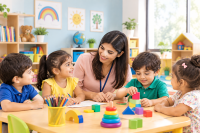
Picture a classroom filled with laughter, colors, and tiny hands busy at work. This is not just a place of play, but a dynamic environment where preschool activities support holistic child development. These vibrant settings are where children begin to build their foundational skills, setting the stage for lifelong learning and growth.
Many parents wonder how these early experiences shape their childs future. The curiosity and concern are real: How do these activities contribute to my childs overall development? Is it just play, or is there more to it? These questions often linger in the minds of parents who want the best for their children.
In the following sections, you will gain insights into the magic behind preschool activities and how they nurture your childs physical, emotional, and cognitive development. You will find practical tips and real-life examples that demonstrate the remarkable impact these activities have on young minds.
Explore how preschool activities support holistic child development through these key areas:
Play is often seen as a childs work, a vital component of their daily routine. It is through play that children learn about the world around them. In preschool, activities are designed to engage children in a variety of play-based learning experiences. These activities are not random; they are carefully crafted to promote learning and development. For instance, when children play with building blocks, they are not just having fun. They are developing spatial awareness, problem-solving skills, and even basic math concepts.
Take the example of four-year-old Aarav, who loves to build towering structures with his blocks. As he carefully places each block, he is learning about balance and symmetry. His teacher encourages him to experiment with different designs, fostering creativity and critical thinking. This kind of play supports cognitive development and lays the groundwork for future academic success. Parents can encourage this kind of play at home by providing a variety of building materials, such as blocks, cardboard boxes, or even recycled materials. This not only enhances creativity but also strengthens family bonds through shared activities.
Preschool activities are pivotal in nurturing emotional growth. When children engage in group activities, they learn to express their emotions and understand the feelings of others. This emotional intelligence is crucial for their overall development. Activities like circle time, where children share their thoughts and feelings, help them develop empathy and social awareness.
Consider five-year-old Meera, who initially found it challenging to express her emotions. Through regular participation in group activities, she learned to articulate her feelings and understand her peers. Her teacher guided her through role-playing exercises, which helped her navigate social situations with confidence. This emotional growth is an integral part of holistic development, preparing children to build strong relationships in the future. Parents can support this growth by encouraging open discussions about feelings at home, providing a safe space for their children to express themselves.
Cognitive development is at the heart of preschool activities. Children are naturally curious, and these activities are designed to stimulate their minds and encourage exploration. From puzzles to storytelling, each activity is a stepping stone in their cognitive journey.
Six-year-old Vihaan, for example, thrives during storytime sessions. As he listens to stories, he develops language skills, comprehension, and imagination. His teacher encourages him to ask questions and make predictions, enhancing his critical thinking abilities. These cognitive skills are essential for academic success and lifelong learning. Parents can further enhance cognitive development by reading with their children at home, discussing the stories, and asking questions that stimulate thinking and comprehension.
Physical development is another crucial aspect of preschool activities. Children need to develop their motor skills, coordination, and physical fitness. Activities like outdoor play, dance, and sports help children build strength and agility.
Seven-year-old Veer loves participating in the schools sports day. As he runs and jumps, he is not only having fun but also improving his coordination and stamina. These physical activities contribute to his overall health and well-being, ensuring a balanced development. Parents can encourage physical activity at home by organizing family outings that involve physical challenges, such as hiking or playing sports together, which not only promotes fitness but also strengthens family relationships.
Creativity is an essential component of holistic development. Preschool activities encourage children to express themselves creatively through art, music, and drama. These activities provide a platform for children to explore their imagination and develop innovative thinking.
Five-year-old Aanya, for instance, enjoys painting and crafting. Her teacher provides her with a variety of materials and encourages her to experiment with colors and textures. This creative freedom allows Aanya to express her thoughts and ideas, fostering a sense of individuality and innovation. Parents can participate in creative activities by setting up art stations at home with various supplies, allowing their children to explore their artistic talents freely.
Social skills are vital for a childs development. Preschool activities are designed to teach children how to work together, share, and communicate effectively. These skills are developed through group activities such as games, projects, and collaborative tasks.
When children like Aanya and Veer work on a group project, they learn to listen to others, contribute ideas, and resolve conflicts. These experiences help them build strong social skills and prepare them for future interactions in school and beyond. Parents can support social development by arranging playdates with peers, providing opportunities for interaction and teamwork in a relaxed setting.
Resilience and confidence are key traits that preschool activities aim to develop. Children face various challenges during their early years, and learning to overcome these challenges builds resilience. Activities that encourage problem-solving and decision-making help children gain confidence in their abilities.
When Aarav faces a difficult puzzle, his teacher encourages him to persevere and find solutions. This support helps him build confidence and resilience, traits that will serve him well throughout his life. Parents can foster resilience at home by allowing their children to face small challenges independently, providing guidance but not solving problems for them. This helps children learn to trust their abilities and develop a growth mindset.
Educators and parents play a crucial role in the holistic development of children. Collaborating with teachers and participating in preschool activities can significantly impact a childs growth. Parents who engage with their childs learning journey can reinforce the skills learned in preschool at home.
By understanding the importance of these activities, parents like Meera and Vihaan can support their childrens development and encourage a love for learning. This partnership between educators and parents is essential for creating a nurturing environment that fosters holistic growth. Parents can take an active role by attending parent-teacher meetings, volunteering in the classroom, or simply discussing daily activities with their children to reinforce what they learn.
One common mistake parents make is underestimating the value of play in their childs development. Many adults view play as mere entertainment, but in reality, it is a critical aspect of learning. Parents often feel pressured to focus on structured learning activities, neglecting the importance of free play. To avoid this mistake, parents should ensure that their children have ample time for unstructured play, allowing them to explore and learn at their own pace. This balance between structured activities and free play is essential for holistic development.
As children engage in preschool activities, there are several signs of progress that parents should watch for. These signs include improved communication skills, increased confidence in social settings, and a growing ability to solve problems independently. Parents may notice their child expressing emotions more clearly or showing curiosity about new concepts. Additionally, children may begin to demonstrate teamwork skills during group activities. Recognizing these signs can help parents understand their childs development and celebrate their achievements along the way.
At age three, children are typically developing basic social skills and beginning to engage in parallel play, where they play alongside peers but not necessarily together. By age five, children start to engage in cooperative play, working together on projects and sharing ideas. At age seven, children are often more independent and capable of complex problem-solving. They begin to understand rules and can participate in organized activities. Parents should tailor their expectations to these developmental milestones, providing appropriate support and encouragement at each stage.
Imagine a future where your child thrives academically, emotionally, and socially. Picture your child confidently sharing ideas with classmates, solving problems independently, and expressing emotions clearly. Preschool activities are the foundation for this future, supporting holistic child development in every aspect. As a parent, you have the opportunity to enhance this journey by actively participating in your childs learning experiences. Explore the resources available at LittleLeaders.in to learn more about how you can support your childs development and ensure they have the best start in life.
Preschool activities promote emotional development by encouraging children to express their emotions, develop empathy, and understand the feelings of others. Group activities and role-playing exercises help children build emotional intelligence and social awareness. These experiences are essential for fostering healthy relationships as children grow.
Parents play a significant role in supporting preschool activities by engaging with their childs learning journey, reinforcing skills at home, and collaborating with educators. This involvement enhances their childs overall development and fosters a love for learning. Active participation in school events and discussions about daily activities can strengthen this connection.
Preschool activities improve cognitive skills by stimulating curiosity, encouraging exploration, and engaging children in problem-solving tasks. Activities like puzzles and storytelling enhance language skills, critical thinking, and imagination. Parents can support cognitive growth by providing various learning materials and engaging in discussions that challenge their childs thinking.
Parents can encourage physical development by providing opportunities for active play, both indoors and outdoors. Activities such as climbing, running, dancing, or participating in sports help children develop their motor skills and coordination. Setting up playdates or family outings that involve physical activities can also promote a healthy lifestyle.
If parents notice significant delays in their childs emotional, social, or cognitive development, it may be time to seek extra support. Signs can include difficulty in communicating, lack of interest in play, or challenges in forming relationships with peers. Consulting with a pediatrician or child development specialist can provide guidance and resources to support the childs growth.