
Loading...
Loading...





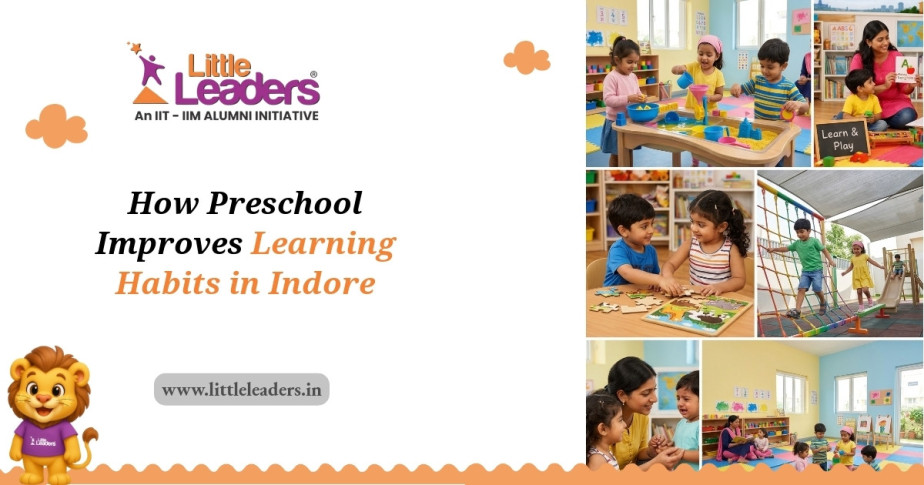
Every morning in Indore, as the sun peeks through the curtains, I watch my four-year-old son Aarav get ready for preschool. The excitement in his eyes is unmistakable, but what truly amazes me is how his little daily routines at school have transformed his approach to learning at home. Preschool in Indore isn't just about play; it's shaping habits that will last a lifetime. As parents, we often underestimate the power of these early years, but they are crucial in laying the groundwork for our children's future educational success.
Many parents wonder how exactly preschool influences their child's learning habits, especially in a bustling city like Indore where educational choices abound. From Aarav's experience, I've seen firsthand how structured activities, social interactions, and guided discovery at preschool build a foundation for curiosity, discipline, and confidence. By the end of this read, you'll understand the subtle yet powerful ways preschool nurtures learning habits in Indore's young children and how you can support this growth at home. Through practical examples and insights, we will explore how these early experiences are pivotal in shaping lifelong learners.
At Aarav's preschool, the day begins with a simple routine: greeting friends, washing hands, and settling into a circle time. This predictable start teaches children the value of consistency and prepares their minds for focused learning. In Indore's preschools, such routines are carefully designed to help kids transition smoothly from home to school mode, fostering self-regulation early on. For instance, the morning greeting ritual allows children to practice social skills and build relationships, which are essential for their emotional development.
For example, Aarav learned to independently organize his backpack and lunchbox, a small but significant step toward responsibility. These habits, practiced daily, build a sense of ownership over his learning journey, which spills over into his eagerness to explore new concepts. Parents can reinforce this at home by establishing a morning routine that includes simple tasks like choosing clothes or packing their own snacks. This not only encourages independence but also sets a positive tone for the day.
Preschool in Indore emphasizes collaborative play, where children like Aarav engage in group activities that require sharing, negotiating, and problem-solving. These social interactions are more than just fun; they teach essential skills like patience and communication that underpin effective learning habits. For instance, during a group art project, Aarav and his classmates had to decide on colors and shapes, fostering teamwork and creativity.
One day, Aarav and his classmates worked together to build a block tower. When it toppled, instead of frustration, they showed resilience by trying again. This experience taught Aarav that mistakes are part of learning, encouraging a growth mindset that's crucial for lifelong learning. Parents can support this by providing opportunities for their children to play with peers, whether through playdates or community activities, reinforcing the importance of collaboration and social skills.
Indore's preschools often use hands-on activities to spark curiosity. Aarav's teacher introduced a simple science experiment with water and colors, inviting children to predict and observe changes. This approach nurtures critical thinking and encourages children to ask questions, laying the groundwork for independent learning habits. For example, after the experiment, Aarav was eager to replicate it at home, asking for different materials to explore further.
At home, I noticed Aarav started experimenting with mixing paints and asking âÂÂÂÂwhyâ more often. Preschool had ignited a natural curiosity that motivates him to explore beyond the classroom. Parents can enhance this curiosity by creating a home environment rich in exploration, such as setting up a small science corner with simple experiments or encouraging outdoor exploration in local parks.
One challenge many parents face is helping their child develop concentration. Preschool in Indore tackles this by incorporating short, varied activities that keep children engaged without overwhelming them. Aarav's day includes storytime, puzzles, and music sessions, each designed to enhance attention span in a playful way. For instance, during storytime, children are encouraged to listen attentively and participate by predicting what happens next, which sharpens their focus.
These activities teach children to listen, follow instructions, and complete tasksâÂÂÂÂskills that form the backbone of effective learning habits. Aarav's improved focus is evident when he sits down to complete simple puzzles at home, a habit nurtured by his preschool experience. To support this development, parents can introduce short, focused activities at home, such as timed puzzle challenges or reading sessions, gradually increasing the duration as their child's attention span grows.
Preschool also fosters independence by encouraging children to make choices and solve problems on their own. Aarav's teachers praise his efforts to dress himself and manage small tasks, boosting his confidence and willingness to tackle challenges. This sense of autonomy is vital for developing proactive learning habits. When children feel capable, they are more likely to engage deeply with new material and persist through difficulties.
For example, Aarav was recently tasked with choosing his own snack from a selection provided at school. This simple choice empowered him and made him more aware of his preferences. Parents can replicate this at home by allowing children to make choices in their daily routines, whether it's selecting their outfits or deciding what to have for lunch, reinforcing their confidence and decision-making skills.
Seeing Aarav's growth, I realized that reinforcing preschool habits at home makes a big difference. Simple actions like maintaining a consistent daily schedule, encouraging curiosity through questions, and celebrating small achievements help solidify learning habits. For instance, creating a reward chart for completing tasks can motivate children and make learning fun.
In Indore, many parents find that partnering with their child's preschool teachers to understand daily routines and learning goals creates a supportive environment that bridges school and home. Engaging with resources from platforms like LittleLeaders.in can provide additional strategies and insights on how to reinforce these habits effectively.
Not all preschools are the same. When selecting one in Indore, look for programs that balance structured routines with creative play, emphasize social skills, and encourage exploration. Visiting classrooms and observing how teachers interact with children can reveal how well a preschool supports learning habits. For example, preschools that incorporate outdoor play and nature-based learning can significantly enhance a child's curiosity and engagement.
Aarav's preschool stood out because of its warm environment and focus on holistic development, which made all the difference in his learning journey. Parents should also consider the qualifications of the teachers and the overall philosophy of the preschool, ensuring it aligns with their values and expectations.
Preschool in Indore is more than a place to pass time; it's where children like Aarav build the habits that shape their approach to learning for years to come. By understanding these benefits and supporting them at home, you can help your child thrive. Investing in quality preschool education is a step towards nurturing a lifelong love for learning.
LittleLeaders.in offers resources and guidance to help you navigate these early years with confidence and joy. From parenting tips to educational resources, they can assist you in making informed decisions for your child's future.
Preschools in Indore use engaging, varied activities like puzzles and storytime to gradually build children's attention spans, helping them develop better concentration skills over time. These activities are designed to be fun and interactive, making it easier for children to stay focused.
Social play at preschool teaches children patience, communication, and resilience, which are key habits that support effective learning and problem-solving abilities. Through collaborative tasks, children learn to navigate social dynamics and develop essential interpersonal skills.
Parents can support preschool habits by maintaining consistent routines, encouraging curiosity through questions, and celebrating small achievements to build confidence and motivation. Simple practices like reading together and engaging in educational games can further enhance these habits.