
Loading...
Loading...

Nullam dignissim, ante scelerisque the is euismod fermentum odio sem semper the is erat, a feugiat leo urna eget eros. Duis Aenean a imperdiet risus.




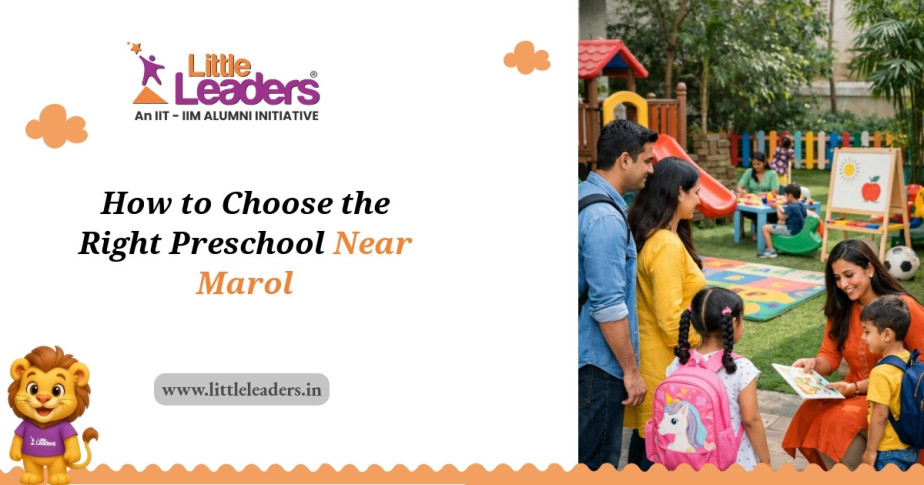
Picture this: the bustling streets of Marol, where families are on the lookout for the perfect preschool. The decision of how to choose the right preschool near Marol can feel overwhelming, especially with so many options available. For parents, this choice is not just about proximity, but about finding a place where their child can thrive. Imagine walking down the streets filled with colorful banners of various preschools, each promising a bright future for your little one.
Parents often feel a mix of excitement and anxiety when it comes to selecting the right preschool. The questions can be endless: Will my child be happy? Will they learn and grow? What if I make the wrong choice? These concerns are common and valid, as this decision sets the stage for your childs educational journey. For instance, consider the story of seven-year-old Rohan. His mother, Anita, was filled with doubt as she navigated through brochures and visited schools, fearing she would not find the right fit for her son.
In this guide, you will discover practical tips and insights to help you make an informed choice. From understanding what to look for in a preschool to evaluating the environment and teaching methods, we will cover everything you need to know. Let us dive into the specifics of how to choose the right preschool near Marol.
Explore the sections below to find what you need.
When choosing a preschool, understanding the educational philosophy is crucial. Different preschools in Marol may follow diverse approaches such as Montessori, Reggio Emilia, or traditional methods. Each philosophy has its own strengths, and the best choice depends on your childs needs and your educational values. For instance, the Montessori method emphasizes self-directed learning, which might be ideal for children who are independent and curious. Think about your child and their unique personality. A four-year-old named Tara loves to explore and ask questions, making her a perfect candidate for a Montessori environment.
Consider what environment will best support your childs development. Some parents, like Priya, mother of four-year-old Aarav, find that Montessoris focus on independence resonates with their parenting style. Aarav, who loves exploring on his own, thrives in an environment that allows him to choose his activities. In contrast, the Reggio Emilia approach, which centers on collaborative play and projects, might suit children who enjoy group activities and social interaction. Picture a classroom buzzing with laughter as children work together on a creative project, fostering both social skills and teamwork.
Understanding these philosophies helps you align your choice with your childs personality and your educational goals. Reflect on your childs learning style and the kind of environment where they will flourish. It is important to consider your own values as a parent as well. Ask yourself what kind of educational experience you envision for your child, and seek out a preschool that aligns with that vision.
The environment of a preschool is more than just the physical space. It is about how welcoming, engaging, and safe it feels for your child. When visiting preschools near Marol, observe the classrooms: Are they clean, colorful, and well-organized? Do they have age-appropriate materials and activities? Imagine walking into a classroom filled with laughter, where children are actively engaged in various activities. This is what you want for your child. Five-year-old Aanya, for example, loves her preschool because it offers a vibrant environment with plenty of art supplies and reading nooks. Her mother, Meera, appreciates how the space encourages creativity and learning. The walls are adorned with childrens artwork, and the air is filled with the sounds of cheerful chatter.
Also, consider the outdoor play areas. Children need space to run, jump, and explore. Safe and well-maintained playgrounds are essential for physical development and social interaction. A preschool with a good balance of indoor and outdoor activities can provide a holistic learning experience for your child. Imagine a sunny day where children are playing on swings, laughing and enjoying the fresh air. This kind of environment promotes not only physical health but also emotional well-being.
A common mistake parents make when choosing a preschool is prioritizing location over quality. While convenience is important, selecting a preschool solely based on its proximity can lead to dissatisfaction later on. For example, Neha chose a preschool just around the corner from her home, but soon realized that the teaching methods did not align with her childs learning style. To avoid this pitfall, make a list of your priorities before starting your search. Consider factors such as educational philosophy, teacher qualifications, and the overall environment.
Another mistake is not visiting the preschool more than once. Some parents may visit a preschool during an open house and make a decision based on that single experience. However, visiting at different times can provide a clearer picture of daily operations and interactions. Take the time to observe how teachers engage with children and how children interact with each other. This will help you gauge whether the preschool is the right fit for your child.
The qualifications of teachers and the student-to-teacher ratio significantly impact the quality of education and care your child receives. Experienced and trained teachers can create enriching learning experiences and manage classrooms effectively. It is important to ask about the teachers credentials and ongoing professional development opportunities. For instance, a preschool where teachers regularly attend workshops and training sessions is likely to provide a more dynamic learning environment.
Consider the student-to-teacher ratio as well. Smaller class sizes allow for more individualized attention, which can be crucial for young children. Veer, a seven-year-old who learns better with one-on-one interaction, benefits from his preschools low student-to-teacher ratio. His parents noticed a significant improvement in his confidence and academic skills since starting at the preschool. It is essential to ask how many children are in each classroom and how many teachers are present to provide guidance and support.
Do not hesitate to ask about the teachers experience and how they handle classroom challenges. A supportive and skilled teacher can make a significant difference in your childs preschool experience. Imagine a scenario where a teacher patiently helps a child who is struggling with a new concept, fostering a love for learning and building confidence.
As your child begins their preschool journey, it is important to observe signs of progress in various areas. Social skills, emotional development, and cognitive growth are all indicators of a successful preschool experience. For instance, if you notice that your child is sharing toys more often or engaging in conversations with peers, these are positive signs of social development. Similarly, if your child shows curiosity about new topics and asks questions at home, it indicates cognitive growth.
Emotional development is also key. Watch for signs of increased independence, such as your child wanting to dress themselves or express their feelings verbally. These milestones show that your child is growing more confident in their abilities. Encourage open communication with your child about their experiences in preschool, asking questions about their day and what they enjoyed. This dialogue will help you gauge their comfort level and excitement about learning.
The curriculum and learning approaches of a preschool play a pivotal role in your childs early education. Look for a curriculum that balances play-based learning with structured activities. This balance helps children develop cognitive, social, and emotional skills. For example, a preschool that incorporates storytelling and imaginative play can nurture creativity while also teaching language skills.
Preschools near Marol may offer various programs, including language development, math, science, and art. It is essential to choose a preschool that aligns with your childs interests and developmental needs. For instance, if your child shows a keen interest in music, a preschool that incorporates musical activities can be highly beneficial. Picture a classroom where children are singing, dancing, and learning rhythm, all while having fun.
Ask about the daily schedule and how different subjects are integrated into activities. A well-rounded curriculum ensures that your child receives a comprehensive education, preparing them for future academic success. Consider how the preschool fosters a love for learning through engaging and interactive lessons.
While educational quality is paramount, practical considerations such as location and convenience should not be overlooked. Choosing a preschool near Marol that is easily accessible can save you time and reduce stress. Consider the proximity to your home or workplace and the transportation options available. A convenient location can make drop-offs and pick-ups smoother, allowing for more quality time with your child.
Additionally, think about the preschools operating hours and how they fit with your schedule. Some preschools offer extended hours or after-school programs, which can be beneficial for working parents. Imagine the relief of knowing that your child is in a safe environment while you finish your workday. Convenience can significantly impact your daily routine, making the preschool experience more enjoyable for both you and your child.
Listening to other parents experiences can provide valuable insights into a preschools strengths and weaknesses. Look for reviews or ask for testimonials from current or former parents. They can offer a real-world perspective on the preschools environment, teaching methods, and overall satisfaction. For example, Riya, a mother of a three-year-old, chose a preschool based on glowing recommendations from her friends. She found that the positive feedback aligned with her own values and expectations, leading to a smooth transition for her daughter.
While reviews are helpful, remember to visit the preschool yourself to form your own opinion. Trust your instincts and consider how the preschool feels to you and your child. Picture the moment you walk into the preschool, and your child immediately feels at home, excited to explore and learn.
Preparing your child for preschool involves more than just choosing the right institution. It is about helping them transition smoothly and feel comfortable in their new environment. Start by introducing them to the concept of preschool and what they can expect. You can create a fun countdown calendar to build excitement, marking the days until their first day.
Schedule visits to the preschool with your child, allowing them to explore and become familiar with the new setting. Reading books about preschool and discussing daily routines can also ease their anxiety. For instance, you can read a story about a character who goes to preschool, helping your child relate to the experience. Encourage your child to express their feelings and reassure them that it is okay to feel nervous. Building a positive attitude towards preschool will help them adjust more easily and look forward to this new adventure.
In conclusion, choosing the right preschool near Marol is a significant decision that requires careful consideration of various factors. By understanding preschool philosophies, evaluating environments, and considering practical aspects, you can make an informed choice. Picture a scene where your child walks into their preschool confidently, ready to learn and make new friends. The right preschool can set the foundation for a lifelong love of learning. For more guidance, visit LittleLeaders.in, where you can find additional resources and support.
When looking for a preschool near Marol, consider the educational philosophy, environment, teacher qualifications, curriculum, location, and parent reviews. These factors help ensure that the preschool aligns with your childs needs and your values. Additionally, visiting multiple preschools can provide a broader perspective and help you make a more informed choice.
Prepare your child for preschool by introducing them to the concept, visiting the preschool, and discussing daily routines. Create a positive atmosphere by reading books about preschool and encouraging them to express their feelings. Role-playing scenarios can also help your child feel more comfortable and excited about their new adventure.
The student-to-teacher ratio is important because it affects the amount of individual attention your child receives. Lower ratios allow teachers to focus more on each child, enhancing their learning and development. This personalized attention can lead to improved social skills and academic performance.
Signs that your child may be ready for preschool include showing interest in learning, socializing with peers, and being able to follow simple instructions. Additionally, if your child expresses curiosity about school and enjoys group activities, these are positive indicators. Engaging in playdates can also help gauge their readiness for a structured environment.
If your child struggles to adjust to preschool, it is important to communicate with their teachers about your concerns. They can provide insights and strategies to help your child feel more comfortable. Additionally, maintaining a consistent routine at home can provide stability and reassurance. Encourage open discussions about their feelings and provide positive reinforcement for their efforts to adapt.