Loading...
Loading...




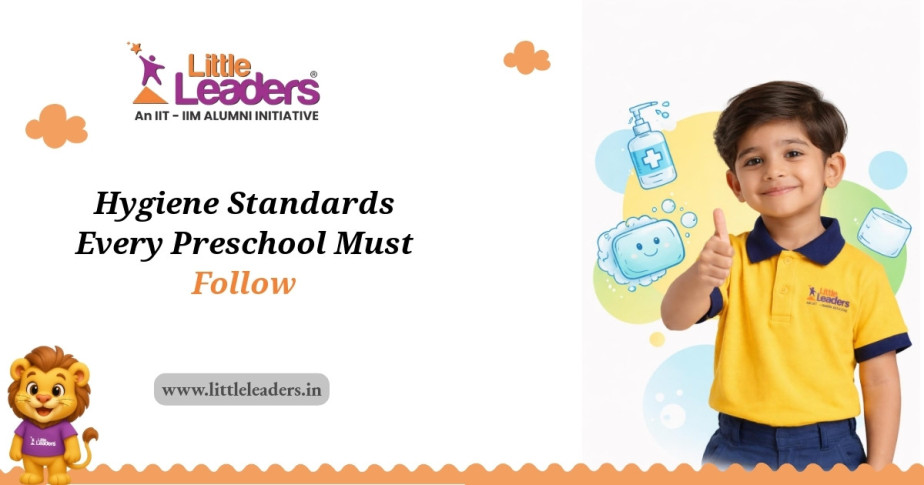
As a parent, ensuring your child's health and safety at preschool is a top priority. You might worry about how well hygiene is maintained in the classroom and whether your little one is protected from germs and illnesses. It is completely normal to have these concerns, especially when your child is just starting their early learning journey. The preschool environment is where your child will spend a significant amount of time, and understanding the hygiene standards every preschool must follow can help you feel reassured and confident about your child's environment.
When preschools maintain high hygiene practices, it not only keeps children safe but also supports their overall development by creating a clean, welcoming space for learning and play. For instance, preschools that implement daily cleaning routines, use child-safe cleaning products, and promote handwashing can significantly reduce the spread of germs. This proactive approach ensures that children can focus on their educational activities without the distraction of illness.
You might notice your child has a short attention span or feels shy around new friends. Many parents feel concerned when their child struggles to express emotions or becomes dependent on screens for entertainment. It is completely normal to face challenges like lack of routine or low confidence in early childhood. These challenges can sometimes be linked to the environment your child spends time in. A preschool that follows strict hygiene standards helps reduce illness-related absences and creates a safe space where children can focus on learning and socializing without worry.
For example, a study conducted by the National Association for the Education of Young Children (NAEYC) found that children in clean and well-maintained preschools are less likely to miss school due to illness. This means that they can participate in more activities, build friendships, and develop essential skills. Additionally, preschools that prioritize hygiene often have protocols in place for handling sick children, ensuring that the health of all students is protected.
Structured early learning that includes play-based activities, guided projects, and positive reinforcement can greatly improve your child's communication, creativity, problem-solving, social skills, and emotional intelligence. When hygiene standards are maintained, children feel comfortable and secure, which encourages active participation and exploration. For instance, preschools that utilize programs like Creative Curriculum or HighScope often incorporate hygiene education into their daily routines, teaching children the importance of cleanliness through fun and engaging activities.
Preschools that emphasize cleanliness also teach children important habits like handwashing and personal care, which build lifelong skills and confidence. Mentorship from caring educators further supports your child's holistic growth in a nurturing environment. Moreover, introducing products like kid-friendly hand sanitizers and fun soap dispensers can make hygiene practices enjoyable for children, reinforcing their importance in a playful manner.
Your child will engage in storytelling sessions, interactive games, and creative projects designed to boost confidence and social interaction. Group activities and stage exposure help develop leadership qualities and communication skills. Throughout this journey, hygiene practices such as regular hand sanitizing, clean play areas, and safe snack times are integrated seamlessly to keep children healthy and focused on learning. For example, preschools might schedule handwashing breaks before meals and after playtime, instilling these habits early on.
Additionally, preschools often create designated areas for messy play, ensuring that these spaces are cleaned regularly to maintain hygiene while allowing children to explore their creativity. This balance of fun and safety is crucial for a well-rounded preschool experience.
One parent shared how their shy child blossomed after joining a preschool that strictly followed hygiene standards. The child's confidence grew as they felt safe and cared for, participating eagerly in group activities and making new friends. This transformation was evident not only in social interactions but also in the child's willingness to try new things, such as art projects and storytelling sessions.
Another family noticed fewer sick days and more consistent attendance once their preschool implemented daily cleaning routines and taught children about personal hygiene. This stability helped their child thrive academically and socially. They also mentioned that their child began to remind family members to wash their hands, showcasing how the lessons learned at preschool extended beyond school and into their home life.
Most children begin preschool between ages 2 and 4. Starting early helps build routines and social skills, but every child is unique. Choose a time that feels right for your family. Many preschools offer flexible enrollment options, allowing you to choose a start date that aligns with your child's readiness.
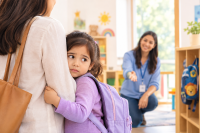
It is completely normal for children to feel shy at first. Preschools with strong hygiene and safety practices create welcoming environments that help children gradually open up and build friendships. Look for programs that offer orientation days or gradual entry options, which can ease the transition for shy children.
Absolutely. A preschool that follows hygiene standards and offers structured learning prepares children for the next steps in education by fostering confidence, communication, and healthy habits. Parents can also reinforce these skills at home by creating routines that mirror what children learn at preschool.
Explore LittleLeaders.in to find preschools that prioritize hygiene and holistic development. Taking this step ensures your child grows in a safe, supportive environment that nurtures creativity, leadership, and lifelong learning skills. Additionally, consider visiting potential preschools to observe their hygiene practices firsthand and ask about their cleaning protocols and health policies. This proactive approach will give you peace of mind as you make this important decision for your child's early education.