
Loading...
Loading...

Nullam dignissim, ante scelerisque the is euismod fermentum odio sem semper the is erat, a feugiat leo urna eget eros. Duis Aenean a imperdiet risus.



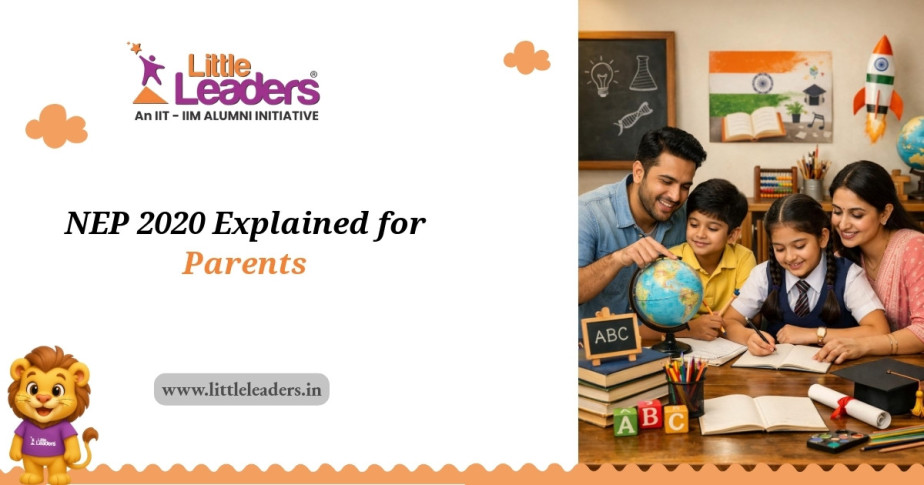
Imagine a world where education is not confined to rote learning but instead inspires creativity and critical thinking. This is the vision of the National Education Policy 2020, or NEP 2020. For parents, understanding the implications of NEP 2020 is crucial as it aims to transform the educational landscape in India. Many parents are curious about how NEP 2020 will affect their children. Will it make learning more engaging? Can it truly prepare children for the future? These are common questions that arise when discussing this comprehensive policy. This guide will walk you through the key aspects of NEP 2020, explain its benefits, and provide insights to help you support your childs education journey. From changes in curriculum to assessments and teacher training, you will find everything you need to know.
Explore the key topics covered in this guide:
The National Education Policy 2020 represents a significant shift in the Indian education system. It focuses on holistic development, flexibility, and skill-based learning. The policy aims to make education more inclusive and accessible to all children, regardless of their socio-economic background. One of the most notable changes is the introduction of a new curricular structure. The traditional 10+2 system is replaced by a 5+3+3+4 model. This new structure is designed to correspond with the cognitive development stages of children, ensuring that education is tailored to their needs at every stage. Five year old Aanya experienced the benefits of this new structure firsthand. Her curiosity was piqued when her teacher introduced a project-based learning module in her primary school. This method encouraged Aanya to explore subjects like science and mathematics through practical, hands-on activities, making learning a joyful experience. As Aanya built a simple bridge using straws and tape, she learned about engineering principles while having fun, illustrating the engaging nature of the new educational approach.
NEP 2020 emphasizes a multidisciplinary approach to education. It encourages students to explore a variety of subjects, enabling them to discover their interests and talents. The focus is on developing critical thinking, creativity, and problem-solving skills. The introduction of coding and vocational courses at a young age prepares children for the future job market. For instance, seven year old Veer found his passion for technology through a school coding club. This early exposure allowed him to develop skills that will be invaluable in the digital age. During a coding class, Veer created a simple game that his friends enjoyed playing, boosting his confidence and interest in technology. Furthermore, the policy promotes the use of regional languages as the medium of instruction in early education. This change aims to strengthen foundational literacy and numeracy skills by allowing children to learn in their mother tongue, which research shows can improve comprehension and cognitive abilities.
Traditional examination systems often prioritize rote memorization over understanding. NEP 2020 seeks to change this by introducing a new assessment framework that evaluates students on their holistic development rather than just academic performance. The policy advocates for regular formative assessments that provide feedback on a childs learning progress. These assessments are designed to be diagnostic and remedial, helping students identify their strengths and areas for improvement. For example, a teacher may observe a child struggling with a math concept and provide targeted support through additional practice and resources. Additionally, NEP 2020 introduces the concept of a National Assessment Centre, PARAKH, which aims to set standards and guidelines for student assessment across the country. This ensures consistency and fairness in evaluations. Parents can expect to see more diverse assessment methods, such as projects and presentations, replacing high-stakes exams.
Technology plays a pivotal role in the implementation of NEP 2020. The policy emphasizes the integration of digital tools in the learning process, enhancing both teaching and learning experiences. Online and digital education platforms are being developed to provide students with access to high-quality resources. These platforms facilitate personalized learning, allowing children to learn at their own pace and according to their preferences. For example, during the pandemic-induced lockdowns, many schools adopted digital classrooms. This experience highlighted the importance of technology in education and paved the way for its inclusion in the NEP 2020 framework. Parents can take advantage of these digital platforms to supplement their childs learning at home. For instance, parents can encourage their children to explore educational apps that focus on math or reading skills, making learning interactive and fun.
Teachers are the backbone of any education system. NEP 2020 recognizes this and places a strong emphasis on teacher training and development. The policy aims to equip educators with the necessary skills and knowledge to implement the new curriculum effectively. Continuous professional development programs are being introduced to ensure that teachers stay updated with the latest pedagogical techniques. These programs focus on enhancing teachers abilities to foster critical thinking and creativity in students. For example, a workshop may introduce teachers to innovative teaching strategies that promote active learning in the classroom. Moreover, NEP 2020 advocates for the establishment of National Professional Standards for Teachers, which will serve as a benchmark for evaluating teaching quality and effectiveness. Parents should feel empowered to ask teachers about their training and how it aligns with the new educational approaches.
Parents play a crucial role in their childs education. Under NEP 2020, parental involvement is encouraged to create a supportive learning environment at home. Here are some ways you can support your child: Engage in regular conversations about school activities and projects. Encourage curiosity by exploring topics of interest together. Create a conducive study environment at home. Stay informed about the changes in the education system. By actively participating in your childs education, you can help bridge the gap between school and home learning. For instance, if your child is learning about plants in school, take a trip to a local garden or park to observe different species together. This real-world connection reinforces what they learn in class.
NEP 2020 promises numerous benefits for students. It aims to reduce the pressure of rote learning and exams, making education more enjoyable and meaningful. The policys focus on skill development and critical thinking prepares children for the challenges of the future. Furthermore, the emphasis on holistic education ensures that students develop not only academically but also socially and emotionally. This well-rounded approach nurtures confident, independent learners who are ready to face the world. As children explore their interests and engage in collaborative projects, they develop essential life skills such as teamwork and communication. Parents can observe these benefits as their children grow more passionate about learning and take ownership of their education.
Like any major policy change, NEP 2020 faces several challenges in its implementation. These include infrastructural limitations, teacher training, and resistance to change. However, with collective efforts from schools, teachers, parents, and the government, these challenges can be overcome. Solutions such as increased funding for education, collaboration with private sectors for resources, and community involvement can help address these issues. By working together, we can ensure that NEP 2020 achieves its goal of transforming education in India. Parents can play an active role by participating in school committees or joining discussions about educational reforms in their communities.
One common mistake parents make is focusing solely on academic performance and grades rather than the overall development of their child. This narrow focus can lead to undue pressure on children and hinder their natural curiosity and creativity. Instead, parents should encourage a balanced approach that values emotional and social growth alongside academic achievements. For instance, if a child struggles with a subject, parents should avoid expressing frustration and instead offer support and resources to help them improve. Engaging in open conversations about challenges can foster resilience and a love for learning. Additionally, parents should be mindful of the importance of play and exploration in their childs development, ensuring that they have time for creative and recreational activities.
As children adapt to the changes brought by NEP 2020, parents should be aware of the signs of progress in their development. For instance, a child who is becoming more curious about the world around them and asking questions about various topics is a positive indicator of their engagement in learning. Another sign to watch for is the development of problem-solving skills. If a child begins to approach challenges with a positive attitude and seeks solutions independently, it demonstrates growth in critical thinking. Additionally, parents should look for improvements in social interactions, such as forming friendships and collaborating with peers on projects. These signs indicate that the child is benefiting from the holistic approach of NEP 2020, which emphasizes both academic and personal development.
The 5+3+3+4 structure is a new curricular framework introduced by NEP 2020. It replaces the traditional 10+2 system and aligns with the cognitive development stages of children. This structure includes foundational, preparatory, middle, and secondary stages. Each stage is designed to cater to the specific learning needs of children as they grow, ensuring that education is age-appropriate and relevant.
NEP 2020 aims to reduce the emphasis on rote memorization in exams. The policy introduces formative assessments that focus on a childs holistic development. These assessments provide feedback on learning progress and areas for improvement. Parents can expect to see a shift from traditional exams to more diverse evaluation methods, including projects, presentations, and peer assessments. This new approach encourages students to demonstrate their understanding in creative ways.
Parents can support their children by staying informed about the changes in the education system, engaging in regular conversations about school activities, and creating a conducive study environment at home. Active parental involvement is key to a childs success under NEP 2020. Parents can also encourage their children to pursue extracurricular activities that align with their interests, fostering a love for learning beyond the classroom.
Parents can access various resources to understand NEP 2020 better, including government websites, educational blogs, and community workshops. These resources provide valuable insights into the policys objectives and implementation strategies. Additionally, parents can connect with local schools and educators to gain firsthand information about how the policy is being integrated into their childs education. Engaging with other parents can also foster a supportive community for discussing educational changes.
If a child struggles with the new curriculum, parents should first communicate with their childs teachers to understand the specific challenges. Teachers can provide valuable insights and recommend additional resources or support. Parents can also create a supportive home environment by encouraging open dialogue about learning difficulties. Seeking tutoring or extra help in specific subjects can also be beneficial. It is essential to approach these challenges with patience and understanding, ensuring that the child feels supported throughout their learning journey.
By embracing the changes brought by NEP 2020, you can help your child thrive in a more dynamic and engaging educational environment. Imagine your child, once hesitant about school, now eagerly sharing stories about their latest science project or coding adventure. They are excited about learning, collaborating with friends, and exploring new ideas. This vision of success is achievable with the right support and understanding. For more resources and information, visit LittleLeaders.in, your trusted partner in parenting and education.