
Loading...
Loading...





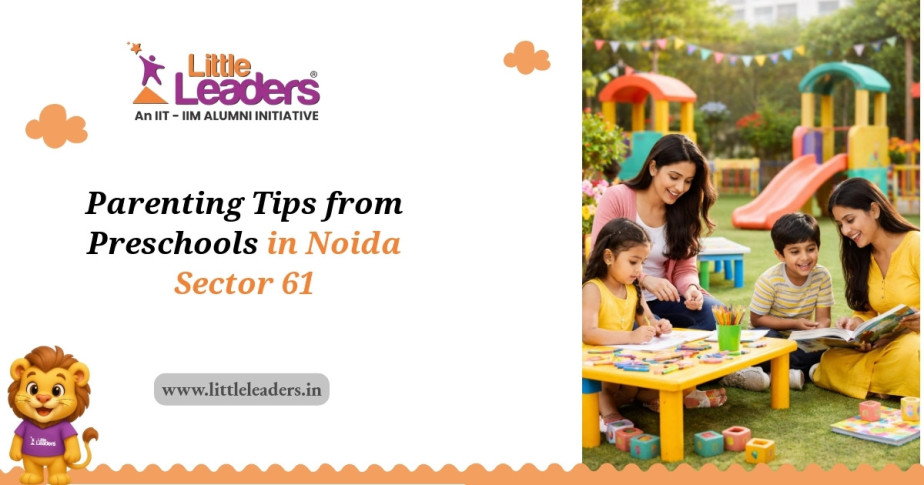
Many parents believe that preschool is just a place for kids to play while they work. But in Noida Sector 61, preschools are redefining early childhood education with expert-backed parenting tips that extend well beyond the classroom walls. These insights can transform how you support your child's growth at home, making those early years truly count. By integrating these strategies into your daily routine, you can create a nurturing environment that fosters your child's development.
Imagine Riya, a lively 4-year-old, who struggled with sharing toys until her preschool teacher introduced simple social games. At home, her parents used the same techniques, and the change was remarkable. This article shares practical parenting tips from preschools in Noida Sector 61 that you can apply today to nurture your child's emotional and cognitive skills. These tips are not just theoretical; they are grounded in real-world scenarios that can make a significant difference in your child's life.
Preschools in Noida Sector 61 emphasize emotional intelligence as much as academics. Teachers observe that children who feel understood and supported at home show better social skills in class. One effective tip is to validate your child's feelings instead of dismissing tantrums or fears. For example, if your child is upset about a new routine, acknowledge their feelings by saying, I see you're feeling worried about the new schedule. Let's talk about it. This approach builds trust and emotional resilience. Additionally, consider using tools like emotion cards or storybooks that depict various feelings, which can help your child articulate their emotions more clearly.
Consistency is key in early childhood development. Preschools recommend syncing daily routines like meal times, nap times, and playtimes with what your child experiences at school. This reduces anxiety and helps your child feel secure. For instance, if the preschool encourages a quiet reading time after lunch, try to incorporate a similar calm activity at home. This seamless transition supports better behavior and focus. You might also consider using a visual schedule at home, which can help your child anticipate what comes next and feel more in control of their day.
Language skills flourish when children are engaged in meaningful conversations. Teachers in Noida Sector 61 preschools suggest narrating daily activities and asking open-ended questions. Instead of Did you eat your lunch? try What was your favorite part of lunch today? This invites your child to express thoughts and feelings, boosting vocabulary and confidence. To further enhance language development, you can read together daily, choosing books that interest your child and discussing the story afterward. This not only improves language skills but also strengthens your bond.
Play is not just fun; itâs a powerful learning method. Preschools in this area integrate play-based learning to develop problem-solving and creativity. At home, you can mirror this by providing open-ended toys like blocks or art supplies. When your child builds a tower or paints a picture, ask questions like What story does your tower tell? This encourages imagination and critical thinking. Additionally, consider incorporating educational games that promote skills such as counting, sorting, and pattern recognition, making learning enjoyable and interactive.
One of the most valuable parenting tips from preschools in Noida Sector 61 is maintaining open communication with teachers. They can offer insights into your child's strengths and areas needing support. For example, if your child shows shyness in class, teachers might suggest gentle social activities you can practice at home. This partnership ensures your child receives consistent encouragement both at school and home. Regularly check in with your child's teacher to discuss progress and share any observations you have at home, creating a collaborative approach to your child's development.
Applying these parenting tips from preschools in Noida Sector 61 can open new doors in your child's development journey. Youâll notice your child becoming more confident, communicative, and emotionally balanced. LittleLeaders.in offers a wealth of resources to help you continue this supportive path. Take the first step today by observing one small change you can make at home that reflects what your child learns at preschool. Your childâs early years are a foundationâbuild it strong and joyful. Explore more resources on LittleLeaders.in to find activities and tools that can enhance your parenting journey.
Reinforce learning by creating routines similar to preschool, engaging in conversations about daily activities, and encouraging play that stimulates creativity and problem-solving. Consider using educational apps or games that align with what your child is learning in preschool, providing a fun way to reinforce skills.
Look for preschools that emphasize emotional development, communication skills, and have open parent-teacher communication to support your childâs individual needs. Visiting the preschool and observing the environment can also give you insights into their teaching philosophy and how they engage with children.
They use gentle social activities and partner with parents to practice these at home, helping shy children build confidence gradually in a supportive environment. Activities like role-playing or small group playdates can be beneficial in easing social anxiety.