Loading...
Loading...

Nullam dignissim, ante scelerisque the is euismod fermentum odio sem semper the is erat, a feugiat leo urna eget eros. Duis Aenean a imperdiet risus.




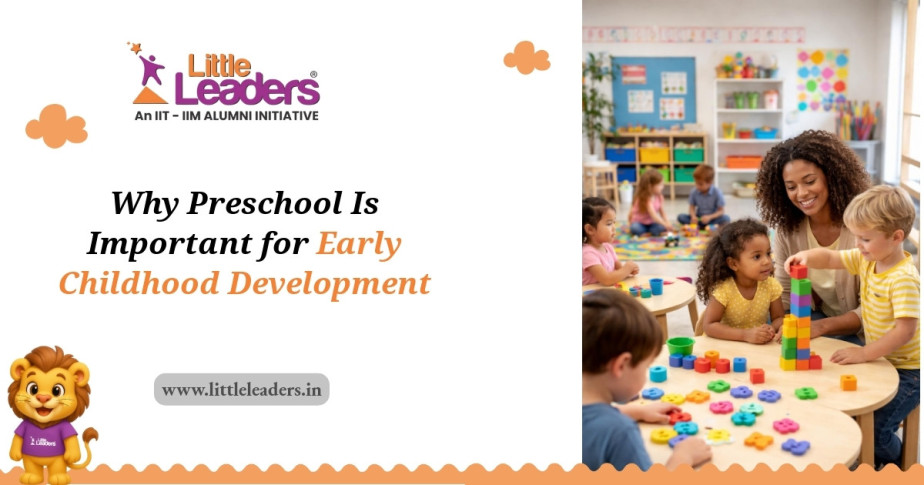
As parents, we all want the best start for our little ones. One common question many parents face is why preschool is important for early childhood development. It's natural to wonder if sending your child to preschool will truly make a difference in their growth and future success. The good news is that preschool offers a nurturing environment where children can develop essential skills that set the foundation for lifelong learning and confidence.
Preschool is more than just a place for kids to play while parents work. It's a carefully designed space where children explore, create, and build social connections. These early experiences are crucial for developing communication skills, creativity, and emotional intelligence. Understanding why preschool is important for early childhood development can help parents feel empowered to make informed decisions about their child's early education.
In this article, we will explore the many benefits of preschool, from fostering independence to encouraging leadership qualities. We'll also share practical tips for choosing the right preschool and how parents can support their child's growth at home. Whether you're considering preschool for your toddler or just curious about its impact, this guide will provide valuable insights to help you nurture a confident, creative, and capable child.
One of the most important reasons why preschool is important for early childhood development is its role in nurturing social and emotional skills. Preschool provides a safe and structured environment where children learn to interact with peers and adults outside their family. These interactions teach children how to share, take turns, and express their feelings in healthy ways.
Through group activities and play, children develop empathy and cooperation. They begin to understand others' perspectives and build friendships, which are essential for emotional well-being. Teachers also guide children in managing emotions like frustration or excitement, helping them develop self-regulation skills that are vital for future success in school and life.
Parents can support this growth by encouraging conversations about feelings at home and modeling positive social behavior. Recognizing the importance of these early social experiences highlights why preschool is important for early childhood development beyond academics.
Preschool plays a key role in boosting cognitive and language skills during a critical period of brain development. Children are naturally curious, and preschool environments are designed to stimulate their thinking through age-appropriate activities like storytelling, puzzles, and hands-on experiments.
Language development flourishes as children engage in conversations, listen to stories, and learn new vocabulary. These experiences build the foundation for reading and writing skills. Cognitive skills such as memory, attention, and problem-solving are also strengthened through structured play and guided learning.
Teachers use techniques that encourage children to ask questions and explore ideas, fostering a love for learning. Understanding this aspect of why preschool is important for early childhood development helps parents appreciate the value of early education in preparing children for academic success.
Creativity is a vital skill that preschool nurtures through imaginative play, art, music, and open-ended activities. These experiences allow children to express themselves freely and develop original ideas. Preschool encourages experimentation and exploration, which are key to creative thinking.
Problem-solving skills grow as children face challenges during play and learning tasks. They learn to think critically, make decisions, and find solutions independently or with peers. This process builds resilience and adaptability, qualities that serve children well throughout life.
Parents can foster creativity at home by providing materials for art and encouraging imaginative games. Recognizing how preschool supports creativity and problem-solving underscores why preschool is important for early childhood development in shaping innovative thinkers.
Preschool is a wonderful place for children to build confidence and begin developing leadership qualities. Through group activities, children practice expressing their ideas and making choices. Positive reinforcement from teachers helps children feel valued and capable.
Leadership skills start with simple acts like helping classmates, taking responsibility for tasks, and communicating effectively. Preschool environments encourage children to take initiative and collaborate, laying the groundwork for future leadership roles.
Parents can nurture these qualities by celebrating small achievements and encouraging independence at home. Understanding this dimension of why preschool is important for early childhood development helps parents see how early education shapes confident, capable leaders.
Selecting the right preschool is a crucial step in supporting your child's early development. Look for programs that emphasize a balanced approach to learning, including social, emotional, cognitive, and creative growth. A nurturing and safe environment with qualified, caring teachers is essential.
Consider the preschool's curriculum, class size, and daily routines to ensure they align with your child's temperament and interests. Visiting schools, asking questions, and observing interactions can help you make an informed choice.
Remember that every child is unique, and the best preschool is one that feels like a good fit for your family's values and your child's personality. This thoughtful approach highlights why preschool is important for early childhood development tailored to individual needs.
Parents play a vital role in reinforcing the benefits of preschool at home. Simple routines like reading together, talking about the day's activities, and encouraging play can deepen learning and emotional connection.
Providing a calm and supportive environment helps children feel secure and confident. Celebrate their efforts and progress, and maintain open communication with teachers to stay involved in your child's development.
By partnering with preschool educators and nurturing your child's curiosity and independence, you enhance the positive impact of early education. This partnership is a key reason why preschool is important for early childhood development and lifelong growth.
Meet Aarav, a shy three-year-old who was hesitant to join preschool. His parents worried about how he would adapt. After a few weeks, Aarav began to open up, making friends and participating in group activities. His confidence blossomed, and he started expressing himself more clearly. His parents noticed improvements in his language skills and social interactions, which reassured them that preschool was the right choice.
Another story is about Meera, who loved art but struggled with sharing toys. Preschool teachers gently guided her to take turns and collaborate during creative projects. Over time, Meera developed empathy and leadership skills by helping classmates and leading small group activities. Her parents saw how preschool nurtured her creativity and social growth in ways they hadn't imagined.
Most children start preschool between ages 2 and 4, depending on their readiness and family needs. Look for signs like interest in group play and basic self-care skills. Every child is unique, so choose a time that feels right for your family.
It's normal for some children to feel shy at first. Gentle encouragement, familiar routines, and open communication with teachers can help your child adjust comfortably. Give them time to build trust and confidence in the new environment.
Preschool builds foundational skills like following instructions, socializing, and basic literacy and numeracy. These prepare children to transition smoothly into kindergarten with confidence and enthusiasm.
Yes, preschool provides rich language experiences and social interaction that support speech development. Teachers can also identify concerns early and recommend additional support if needed.
Explore LittleLeaders.in to find resources and guidance on choosing the best preschool and supporting your child's early development. Empower your child's journey with confidence and creativity by taking the next step today.