Loading...
Loading...





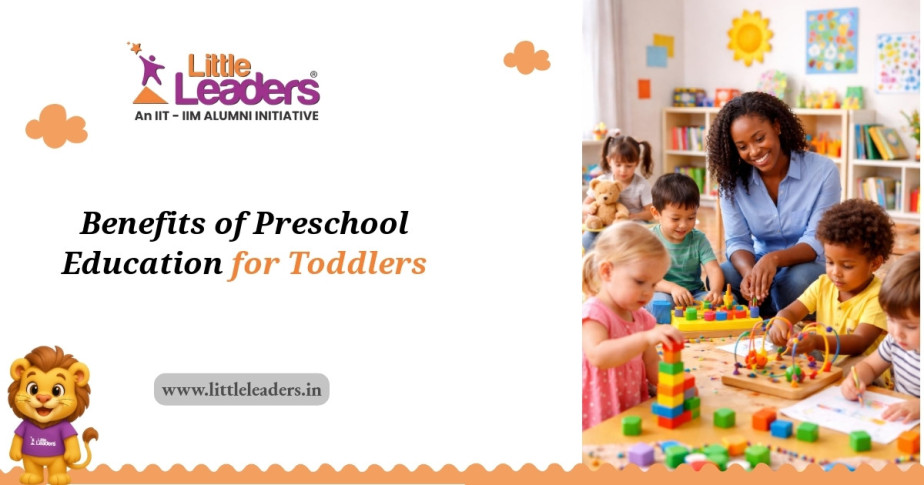
As parents, we all want the best start for our little ones. The early years are so precious, filled with curiosity and rapid growth. Many parents wonder how preschool education can support their toddlers during this crucial stage. Understanding the benefits of preschool education for toddlers can help you make confident decisions that nurture your child's development and happiness.
Preschool is more than just a place to keep your child busy. It is a vibrant environment where toddlers begin to explore, socialize, and build foundational skills that will serve them for life. From developing communication to fostering creativity, preschool offers a holistic approach to early childhood growth.
This article will guide you through the many benefits of preschool education for toddlers, helping you see how it supports confidence, creativity, social skills, and leadership qualities. We will also share practical tips and real stories to inspire and reassure you on this exciting parenting journey.
One of the most important benefits of preschool education for toddlers is the boost it gives to their confidence. In a preschool setting, children are encouraged to try new activities, express themselves, and interact with peers and teachers. These experiences help toddlers feel capable and valued.
Preschool teachers create a supportive atmosphere where children's efforts are celebrated, helping them develop a positive self-image. When toddlers learn to solve simple problems or complete tasks independently, their sense of achievement grows, laying the foundation for lifelong confidence.
Parents can support this by encouraging their child's independence at home and celebrating small wins. Remember, confidence built in these early years empowers children to face challenges with resilience and curiosity.
Creativity blossoms naturally in preschool environments designed to inspire exploration. Through art, music, storytelling, and imaginative play, toddlers learn to think outside the box and express their unique ideas.
Preschool activities often include open-ended projects that encourage children to experiment and discover. This freedom nurtures creative thinking and problem-solving skills, which are essential for future learning and innovation.
At home, parents can extend this creativity by providing simple materials like crayons, clay, or dress-up clothes and allowing children to lead their play. Celebrating creative efforts helps toddlers feel proud and motivated to explore further.
Effective communication is a key benefit of preschool education for toddlers. In group settings, children practice listening, speaking, and understanding social cues. These interactions build vocabulary and conversational skills essential for school readiness and social success.
Preschool teachers use songs, stories, and group discussions to encourage language development. Toddlers learn to express their needs, share ideas, and engage with others in meaningful ways.
Parents can support communication growth by reading together daily, asking open-ended questions, and encouraging their child to describe their experiences. This ongoing dialogue strengthens language skills and deepens emotional connections.
Preschool is a wonderful place for toddlers to begin developing leadership qualities. Through group activities and cooperative play, children learn to take turns, make decisions, and help others.
Teachers often assign simple responsibilities like being a helper or leading a game, which fosters a sense of responsibility and confidence in leadership roles. These early experiences teach empathy, teamwork, and problem-solving.
At home, parents can encourage leadership by involving toddlers in family decisions appropriate to their age and praising their efforts to help and lead. These small steps build a foundation for strong leadership skills later in life.
Play is at the heart of preschool education and is vital for holistic growth. Through play, toddlers develop physical coordination, cognitive skills, emotional regulation, and social understanding all at once.
Preschool environments provide diverse play opportunitiesâÂÂfrom building blocks to outdoor gamesâÂÂthat stimulate all areas of development. Play also allows children to explore their interests and learn at their own pace.
Parents can support this by providing safe, varied play options and joining in their child's playtime. Recognizing play as a powerful learning tool helps parents appreciate the full benefits of preschool education for toddlers.
Not all preschools are the same, and choosing the right environment is crucial to maximize the benefits of preschool education for toddlers. Look for a preschool that offers a warm, nurturing atmosphere with qualified teachers who understand early childhood development.
Consider the curriculum balance between structured activities and free play, the teacher-to-child ratio, and how the school supports social and emotional growth. Visiting schools and observing interactions can help you find a place where your child will thrive.
Trust your instincts and seek recommendations from other parents. The right preschool will feel like a second home where your toddler feels safe, happy, and inspired to learn.
Meet Aarav, a shy toddler who struggled to express himself at home. After joining preschool, his teachers encouraged him to participate in group storytelling and art activities. Over a few months, Aarav's confidence blossomed, and he began sharing his thoughts more openly with family and friends. His parents noticed a joyful spark and newfound curiosity that brightened their days.
Another story is of Meera, who loved to build and create. Preschool provided her with blocks, paints, and music, allowing her creativity to flourish. Her teachers praised her imaginative ideas, which motivated Meera to explore new ways of expressing herself. This early encouragement helped Meera develop strong problem-solving skills and a love for learning.
Most children begin preschool between ages 2 and 3, but readiness varies. Look for signs like interest in social play and basic self-care skills. Starting preschool when your toddler shows curiosity and comfort in new settings helps ensure a positive experience.
It's normal for toddlers to feel shy at first. Gentle encouragement, consistent routines, and communication with teachers can ease the transition. Give your child time to adjust and celebrate small steps toward participation and social interaction.
Preschool provides a safe space for toddlers to express feelings, learn empathy, and develop coping skills. Teachers guide children through social challenges and model positive interactions, helping toddlers build emotional intelligence.
Yes, preschool lays the foundation for academic skills like listening, following instructions, and basic literacy and numeracy. It also fosters social skills and independence, making the transition to formal schooling smoother and more confident.
Explore the resources and preschool options available on LittleLeaders.in to find the best fit for your toddler. Embrace this exciting phase with confidence, knowing that preschool education offers invaluable benefits for your child's growth and happiness. Start your journey today and watch your little leader shine.