Loading...
Loading...





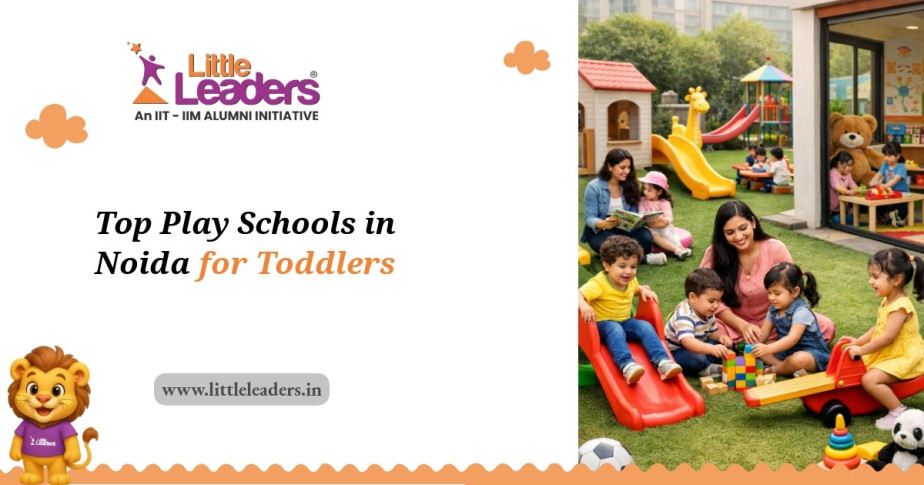
The bustling city of Noida offers a plethora of play schools, each promising the best for your toddlers. As you navigate through choices, the quest for the top play schools in Noida for toddlers becomes a journey filled with excitement and anxiety. Parents often find themselves overwhelmed with options, each school claiming to provide the best environment for early childhood development. The pressure to choose the right place for your child can be daunting. For instance, three year old Anika was enrolled in a play school that focused on creative arts, and her mother noticed how much more expressive she became, often coming home with colorful drawings and stories to share. This transformation can be a testament to how the right environment can nurture a childs growth.
Every parent wants the best for their child, and when it comes to selecting a play school, the stakes feel incredibly high. You may worry about whether the school will support your childs unique learning style, whether it will foster their social skills, and crucially, whether it will be a place where they are happy. These concerns are natural and common among parents embarking on this journey. A common mistake parents make is rushing the decision without fully understanding what their child needs. Taking the time to observe your childs interests and behaviors can provide valuable insights into what type of learning environment will suit them best.
This article will guide you through the process of selecting the ideal play school for your toddler in Noida. By the end, you will have a clearer picture of what to look for, what questions to ask, and how to make this decision with confidence. Let us explore the top play schools in Noida that cater to toddlers, ensuring a nurturing and stimulating environment for your childs growth.
Explore the sections below to gain insights into the top play schools in Noida.
Noida has become a hub for educational institutions, offering a variety of play schools each with unique philosophies and teaching methods. As a parent, understanding this landscape is crucial. Many schools follow different educational approaches such as Montessori, Reggio Emilia, or Waldorf, each emphasizing different aspects of child development. Montessori schools, for instance, focus on self-directed activity and hands-on learning, encouraging independence among toddlers. For example, four year old Riya thrived in her Montessori school where she was able to choose her activities, leading to a newfound confidence in her abilities.
In contrast, Reggio Emilia-inspired schools emphasize collaborative learning and the importance of community and environment in a childs development. These schools often involve children in projects that encourage exploration and discovery. Meanwhile, Waldorf schools focus on nurturing a childs imagination and creativity, often incorporating arts into their daily activities. Picture a classroom filled with vibrant colors and the sounds of laughter as children engage in creative play. Choosing among these philosophies involves considering what aligns best with your childs personality and learning style. It is not just about the name or reputation of the school but about finding a place where your child will thrive. Understanding these different approaches can help you narrow down your options and make an informed decision.
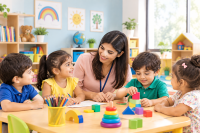
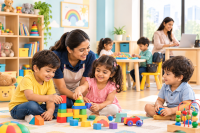
When evaluating play schools, it is essential to focus on certain key features that distinguish the top institutions. Safety and hygiene are paramount; ensure that the school maintains high standards in these areas. The physical environment of the school should be inviting and stimulating, with ample space for children to play and explore safely. Imagine a bright, cheerful classroom filled with engaging toys, books, and art supplies that invite children to learn and create.
Another crucial aspect is the teacher-child ratio. A lower ratio allows for more personalized attention, ensuring that each childs needs are met. Qualified and experienced teachers who are passionate about early childhood education are another hallmark of top play schools. These educators should foster a nurturing and inclusive atmosphere that supports varied learning styles. Additionally, the curriculum should be well-rounded, incorporating not just academic learning but also social and emotional development. Schools that integrate play-based learning with structured activities often provide the best balance, preparing children for future educational challenges while ensuring they enjoy their time at school. For instance, five year old Ayaan, who attended a play school with a balanced curriculum, developed strong friendships and improved his communication skills through group activities.
A common mistake parents make when selecting a play school is focusing solely on the schools reputation or popularity. While these factors are important, they should not be the only criteria for your decision. Each child is unique, and what works for one may not work for another. For example, a school known for its academic rigor may not suit a child who thrives in a more creative and relaxed environment. Parents should also avoid making decisions based on peer pressure or societal expectations. It is essential to prioritize what is best for your child based on their individual needs and personality. Taking the time to visit schools, observe classes, and speak with teachers can provide a clearer picture of what will suit your child best.
Choosing the right play school often involves comparing different educational approaches to see which best suits your child. The Montessori method, for example, is known for its focus on child-led learning and independence. Parents who value structure and discipline might find this approach appealing. Alternatively, the Reggio Emilia approach is highly collaborative and emphasizes the role of the environment in learning. It encourages creativity and critical thinking, appealing to parents who want their children to learn through exploration. Waldorf education, on the other hand, integrates arts and imagination into daily activities, which can be ideal for children who thrive in creative and artistic environments. By understanding these differences, you can better assess which environment will most benefit your child, ensuring they receive a well-rounded and fulfilling educational experience.
As your child grows, their needs and expectations from a play school will evolve. At age three, children are typically developing social skills and learning to share and interact with peers. They may show interest in group activities and begin to express their preferences. A play school that encourages cooperative play and offers a variety of activities will suit them best. By age five, children are often more independent and curious about the world around them. They may enjoy structured learning environments that incorporate play with early literacy and numeracy skills. Schools that provide a mix of guided and free play can foster their growing sense of autonomy. By age seven, children are usually ready for more formal education, and the transition from play school to primary school should be smooth if they have had a strong foundation in social and emotional skills.
Visiting potential play schools is a critical step in the decision-making process. During these visits, observe the interaction between teachers and children. Are the teachers engaging, patient, and attentive? Do the children seem happy and engaged? These are crucial indicators of a schools environment. Pay attention to the facilities as well. Are the classrooms bright, clean, and equipped with age-appropriate toys and learning materials? Is there a safe outdoor space for children to play and explore? The quality of the environment can significantly impact your childs learning experience. Additionally, ask about the schools policies on discipline, communication with parents, and how they handle emergencies. These factors will give you a comprehensive view of the schools operations and help you determine if it aligns with your expectations and values. For example, during a visit, you might notice how a teacher encourages a shy child to participate in a group activity, which can be a good sign of a supportive environment.
As your child settles into their new play school, it is essential to observe signs of progress. Look for improvements in their social interactions, such as making new friends or expressing themselves more confidently. You might notice your child sharing toys or initiating play with others, which indicates healthy social development. Additionally, keep an eye on their emotional responses. Are they excited about going to school? Do they talk about their day and share what they learned? These are positive signs that they are adapting well. Another sign of progress is their engagement in activities. If your child shows enthusiasm for arts, crafts, or storytelling, it indicates they are enjoying the learning process. Regular communication with teachers can provide further insights into your childs development, helping you understand their strengths and areas for improvement.
Hearing from other parents can provide valuable insights into a schools environment and effectiveness. For example, Priya, a mother of three-year-old Arjun, shared that enrolling her son in a Montessori-based play school in Noida has significantly boosted his confidence and independence. She appreciates the schools focus on hands-on learning and the nurturing environment provided by the teachers. Similarly, Rohan, father of four-year-old Aanya, praised the Reggio Emilia-inspired school his daughter attends. He noted how the schools project-based learning approach has sparked Aanyas curiosity and love for learning. The emphasis on creativity and collaboration has helped her develop strong social skills. These testimonials highlight the positive impact a well-chosen play school can have on a childs development, reinforcing the importance of selecting a school that aligns with your childs needs and personality.
After gathering all necessary information and reflecting on your visits, it is time to make a decision. Consider all factors, including the schools philosophy, environment, and feedback from other parents. Trust your instincts and choose a school where you believe your child will be happy and thrive. Picture this: on the first day of school, your child walks confidently into the classroom, excited to explore and learn. They greet their new friends and eagerly participate in activities, showcasing the joy and growth that comes from being in the right environment. Remember, the goal is to find a place that not only meets educational standards but also feels right for your family. Once you have made your choice, embrace the journey ahead with confidence, knowing you have made an informed decision for your childs future. For more insights and resources on selecting the right play school, visit LittleLeaders.in, where you can find comprehensive guides and expert advice tailored to your needs.
Most play schools in Noida accept children from the age of two. However, the best age can vary depending on your childs readiness. Look for signs of curiosity, social interest, and the ability to follow simple instructions. Some children may be ready earlier, while others may need more time at home before starting school.
To prepare your child, talk to them about what to expect and visit the school together before the first day. Encourage them to express their feelings and reassure them about the new experience. Establishing a routine can also help ease the transition. For instance, you could create a fun countdown to the first day, making it an exciting event.
If your child struggles to adjust, communicate with their teachers to understand any specific challenges. Be patient and provide support at home. Gradual exposure and positive reinforcement can help your child become more comfortable over time. Consider arranging playdates with classmates to build familiarity and ease their transition.
Assessing the right fit involves observing your childs reactions and feelings about the school. After a few weeks, ask your child about their experiences and interests. Additionally, maintain communication with teachers to gain insights into your childs progress and social interactions. A school that aligns with your childs interests and promotes their happiness is likely the best choice.
Parents play a vital role in their childs play school experience by being involved and supportive. Attend school events, communicate with teachers, and engage in your childs learning at home. Your involvement helps reinforce the importance of education and builds a strong foundation for your childs future. Establishing a partnership with the school can significantly enhance your childs experience.