Loading...
Loading...





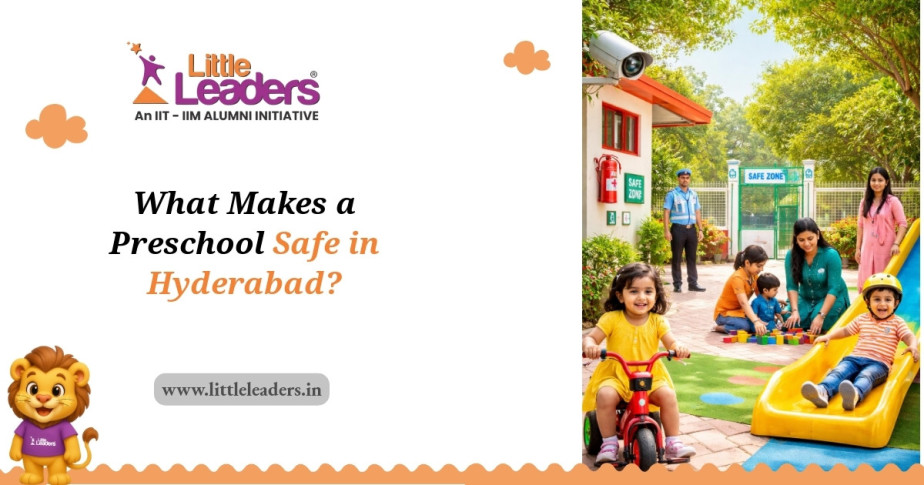
Many parents in Hyderabad believe that a preschool's safety is all about fancy security gadgets or strict rules. But what if thatâs only part of the story? Take Meera, a mother of a lively three-year-old, who once thought a high-tech CCTV system was the ultimate safety guarantee. Yet, her experience showed her that safety is far more nuanced than just cameras and gates. In fact, the safety of a preschool encompasses various dimensions that contribute to a nurturing and secure environment for children.
Understanding what truly makes a preschool safe in Hyderabad means looking beyond surface-level features. It involves exploring the environment, staff training, child engagement, and emergency preparedness. By the end of this read, youâll know exactly what to look for to ensure your childâs preschool is a secure, nurturing place. This knowledge will empower you to make informed decisions that prioritize your child's well-being.
Many parents equate safety with locked gates, CCTV cameras, and visitor logs. While these are important, they donât guarantee a safe environment on their own. For example, a preschool might have cameras but lack trained staff who can respond calmly and effectively during emergencies. Safety also includes emotional security, where children feel comfortable and supported. A well-rounded approach to safety integrates both physical and emotional aspects.
In Hyderabad, some preschools focus heavily on physical security but overlook staff-child ratios or the emotional well-being of children. A safe preschool balances both physical and emotional safety, ensuring children are supervised attentively and encouraged to express themselves freely. For instance, preschools that implement a buddy system can enhance emotional safety by fostering friendships and support networks among children.
Imagine a teacher like Anjali, who knows how to spot subtle signs of distress in a child and acts swiftly. This kind of staff training is crucial. Preschools in Hyderabad that invest in regular child safety workshops, first aid training, and child psychology education create a safer environment. For example, a preschool that partners with organizations like the Red Cross for first aid training ensures that staff are well-equipped to handle emergencies.
Parents should ask about the qualifications and ongoing training of teachers. Are they trained in CPR? Do they understand child behavior and conflict resolution? These factors directly impact how well a preschool can handle accidents or emotional challenges. Additionally, preschools that provide continuous professional development opportunities for their staff demonstrate a commitment to maintaining high safety standards.
Safety also comes from the preschoolâs physical layout. Wide, well-lit corridors, soft corners, and secure play areas reduce injury risks. For instance, a preschool in Hyderabad redesigned its playground with rubber flooring and shaded areas after noticing frequent scrapes and sunburns among kids. This proactive approach not only enhances safety but also encourages children to engage in outdoor activities without fear of injury.
Look for preschools that regularly inspect and maintain their facilities. Cleanliness, safe furniture, and child-proofed electrical outlets are signs of a thoughtful environment. These details matter because they prevent accidents before they happen. Additionally, preschools that incorporate natural elements, such as gardens or outdoor classrooms, can provide enriching experiences while ensuring safety through proper design.
Emergencies can happen anytime. A safe preschool has clear evacuation plans, fire drills, and communication protocols with parents. For example, when a minor fire broke out in a Hyderabad preschool kitchen, the staffâs quick evacuation and calm handling prevented panic and injury. This incident highlighted the importance of regular training and preparedness in ensuring the safety of children.
Ask if the preschool conducts regular drills and how they communicate emergencies to parents. Knowing these details gives you peace of mind that your child is in capable hands. Furthermore, preschools that utilize technology, such as emergency notification apps, can enhance communication with parents during critical situations.
Children like Aarav, age four, thrive when they feel emotionally safe. This means teachers who listen, encourage, and respond with patience. Emotional safety reduces anxiety and helps children explore confidently. For example, preschools that implement social-emotional learning programs can significantly enhance children's emotional well-being.
Preschools that foster positive relationships and have anti-bullying policies create a supportive atmosphere. Hyderabad parents should look for signs of warmth and respect in classrooms, not just security cameras. Engaging with teachers and observing their interactions with children can provide valuable insights into the emotional climate of the preschool.
Safety improves when parents and preschools work together. Regular updates, open communication, and parent-teacher meetings help spot issues early. For example, Meera found that her preschoolâs monthly newsletters and parent workshops made her feel connected and informed. This level of engagement not only enhances safety but also builds a community of support.
Choose a preschool that welcomes your questions and values your input. This partnership strengthens your childâs safety net. Additionally, preschools that host family events or volunteer opportunities encourage parents to be actively involved in their child's education and safety.
When touring preschools, bring a checklist: How is supervision handled? What are the staff qualifications? How do they handle emergencies? What is the child-to-teacher ratio? Observing interactions and asking these questions helps you see beyond appearances. For instance, inquire about the preschool's approach to conflict resolution and how they promote a safe and inclusive environment.
Remember, a safe preschool is one where your child feels secure physically and emotionally, and where staff are prepared and caring. Take note of how staff interact with children and whether they encourage open communication.
Imagine dropping your child off at a preschool where the teachers greet them by name, the playground is a safe adventure zone, and you receive a quick update if anything unusual happens. This is the kind of safety that goes beyond locks and cameras. Itâs about creating an environment where children can thrive and parents can feel confident in their choice.
Take the next step by visiting preschools with a fresh perspective, armed with the right questions. LittleLeaders.in offers resources to help you evaluate preschools in Hyderabad, making your search easier and more confident. Your childâs safe, happy start is within reach. Remember, investing time in researching and visiting preschools can lead to a rewarding experience for both you and your child.
CCTV is helpful but not sufficient alone. True safety includes trained staff, emotional support, and a well-maintained environment. Look for a preschool that balances all these aspects. Additionally, consider preschools that utilize technology for real-time updates and communication with parents.
Ask the preschool directly about their staffâs certifications in first aid, CPR, and child psychology. Many preschools share this information during tours or on their websites. You can also request to see training records or inquire about ongoing professional development opportunities for staff.
Check if the preschool conducts regular fire drills, has clear evacuation plans, and communicates promptly with parents during emergencies. These practices show readiness and care. Additionally, inquire about the preschool's collaboration with local emergency services to enhance their preparedness.