
Loading...
Loading...





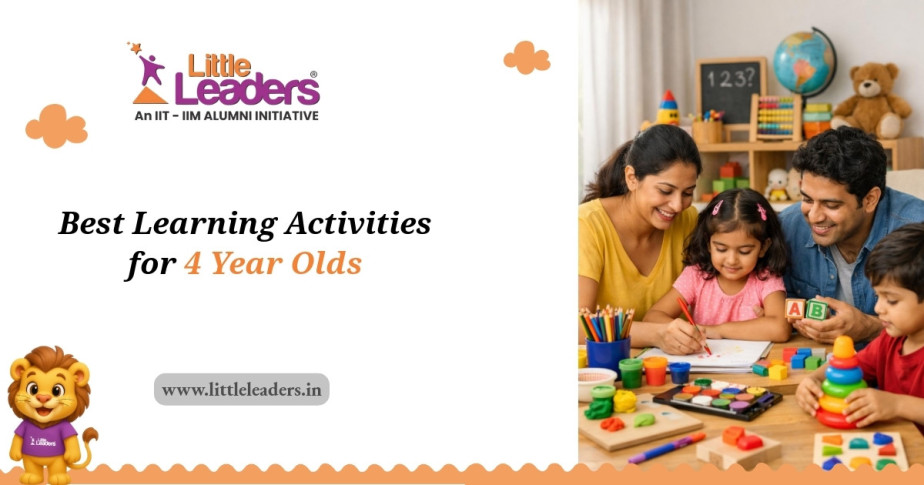
Imagine a world where learning feels like playtime, and every moment is an opportunity for growth. For parents of 4 year olds, this is not just a dream but a reality waiting to unfold. At this age, children are bursting with curiosity, eager to explore and understand their surroundings. Finding the best learning activities for 4 year olds can transform this innate curiosity into foundational skills that set the stage for lifelong learning.
Parents often find themselves overwhelmed by the plethora of options available. From educational apps to traditional toys, the choices seem endless. The challenge is to select activities that are not only engaging but also educational, nurturing the childs cognitive, emotional, and physical development. This often leaves parents wondering where to begin and what truly benefits their child.
In this guide, you will discover a curated list of the most effective learning activities for 4 year olds. These activities are designed to be fun, interactive, and developmentally appropriate, ensuring that your child not only learns but thrives. By the end of this article, you will have a clear understanding of how to enrich your childs learning journey with activities that foster creativity, critical thinking, and joy.
Explore these engaging sections to find the perfect activities for your child:
Arts and crafts are more than just a way to keep little hands busy. They are a gateway to creativity, allowing children to express themselves in colorful and imaginative ways. For 4 year olds, simple activities like finger painting or making collages with various textures can be incredibly rewarding. These activities not only strengthen fine motor skills but also encourage decision-making and problem-solving. Imagine the joy on your childs face as they proudly show off their masterpiece, each stroke a testament to their growing confidence and creativity. One sunny afternoon, 4 year old Mia sat at the kitchen table, her fingers covered in bright blue paint as she created a vibrant ocean scene. Her laughter filled the room as she mixed colors, each new hue sparking her excitement.
Storytelling is a timeless activity that captivates the imagination and enhances language skills. By involving your child in the storytelling process, you turn a simple narrative into an interactive experience. Encourage your child to create their own endings or act out their favorite scenes. This not only boosts their creativity but also improves their comprehension and vocabulary. Picture a cozy evening where your child is not just listening but participating, their eyes wide with wonder as they bring stories to life. Five year old Liam loved to tell stories about dragons and knights. One evening, as he narrated his tale, he jumped up to act out the brave knight saving the day, his enthusiasm making the story even more engaging.
There is a world of learning waiting just outside your doorstep. Nature exploration is an excellent way for 4 year olds to learn about the environment and develop a sense of curiosity and respect for nature. Activities like bug hunts, leaf collections, or simple gardening can teach children about the cycles of life and the importance of caring for our planet. Envision your child discovering a ladybug for the first time, their excitement palpable as they learn about its habitat and role in the ecosystem. On a bright Saturday morning, 4 year old Noah and his father ventured into the backyard for a bug hunt. With a magnifying glass in hand, Noah squealed with delight at every new insect they found, asking questions that sparked a meaningful conversation about nature.
Science experiments do not need to be complex to be effective. Simple experiments, such as making a volcano with baking soda and vinegar or exploring buoyancy with different objects in water, can spark a lifelong interest in science. These activities teach basic scientific principles while encouraging curiosity and experimentation. Imagine your child as a little scientist, eyes wide with amazement as they witness the fizzing reaction of their homemade volcano. One afternoon, 4 year old Ava mixed baking soda and vinegar in a small cup, her eyes lighting up as the mixture bubbled over like a real volcano, prompting her to ask how it worked, leading to a delightful discussion about chemical reactions.
Music is a universal language that resonates with people of all ages, and for 4 year olds, it is a delightful way to learn and have fun. Whether it is dancing to their favorite tunes or playing simple instruments, musical activities enhance coordination, rhythm, and auditory skills. Imagine a morning filled with laughter and music as your child dances around the living room, each beat fostering a love for rhythm and sound. On a rainy day, 4 year old Ethan grabbed his toy drums and started a mini concert in the living room, inviting his siblings to join in. The sound of laughter mixed with the rhythm of the drums created a joyful atmosphere, making music a shared family experience.
Building blocks, whether they are wooden, plastic, or magnetic, offer endless possibilities for creativity and learning. Construction play helps children understand spatial relationships, develop problem-solving skills, and improve their hand-eye coordination. Picture your child focused and determined, constructing a tower taller than themselves, each piece carefully placed as they learn about balance and architecture. One afternoon, 4 year old Sophia gathered her colorful blocks and began to build a tall castle. As she stacked each block, she encountered a challenge when the tower wobbled. Instead of giving up, she adjusted her approach, demonstrating resilience and problem-solving skills.
Role-playing games are more than just fun; they are a crucial part of cognitive and social development. By pretending to be doctors, chefs, or superheroes, children learn about different roles and responsibilities, enhancing their empathy and understanding of the world around them. Imagine your child donning a cape, ready to save the day, their imagination running wild as they navigate through their make-believe world. On a sunny afternoon, 4 year old Lucas transformed his living room into a superhero headquarters, complete with capes and masks. He invited his friends over to join him in adventures, teaching them the importance of teamwork and friendship as they saved the day together.
Introducing math concepts through games can make learning numbers a fun and engaging experience. Simple activities like counting objects, sorting shapes, or playing board games that involve numbers can build a strong mathematical foundation. Visualize an afternoon spent playing a counting game, your child giggling with delight as they master each new concept, building confidence with every number counted. During a family game night, 4 year old Zoe eagerly counted her game pieces, her excitement growing as she recognized numbers and learned to take turns, reinforcing essential math skills in a playful setting.
One common mistake parents make is overwhelming their children with too many activities at once. While it is important to provide a variety of learning experiences, too much stimulation can lead to frustration and disengagement. Instead, focus on a few key activities that resonate with your childs interests. For example, if your child loves animals, spend time exploring nature and reading books about different species. This focused approach allows for deeper learning and connection. Another mistake is not allowing enough time for free play. Structured activities are beneficial, but unstructured playtime is equally important for creativity and problem-solving. Encourage your child to explore their interests and engage in imaginative play without strict guidelines.
As your child engages in various learning activities, it is essential to recognize signs of progress. Look for increased curiosity, such as asking questions about the world around them or showing interest in new topics. You may notice improvements in their ability to focus on tasks, follow instructions, and express their thoughts verbally. Additionally, signs of social development, such as sharing, taking turns, and cooperating with peers during play, indicate growth in emotional intelligence. Keep an eye out for your childs willingness to try new things or tackle challenges, as this demonstrates confidence and resilience. Celebrate these milestones together, reinforcing the joy of learning.
As you embark on this journey of discovery with your child, remember that learning is a joyful and shared experience. The activities listed above are designed to nurture your childs innate curiosity and support their development in a holistic way. By integrating these activities into your daily routine, you are not only enriching your childs learning experience but also creating cherished memories together. Imagine a scene where you and your child are sitting on the floor, surrounded by colorful crafts, books, and building blocks, laughter echoing through the room as you both explore new ideas and create together. To explore more educational resources and tips, visit LittleLeaders.in, where we are committed to supporting parents and children in their learning journey.
Incorporate play into learning by using games, songs, and creative activities. Tailor these to your childs interests to keep them engaged and curious. For instance, if your child enjoys animals, consider incorporating animal-themed games or books into your activities. Use music and dance to teach concepts like counting or the alphabet, making learning a lively and enjoyable experience.
Look for signs such as curiosity, asking questions, and showing interest in exploring new activities. Progress in skills like counting or storytelling also indicates effective learning. Additionally, if your child is able to express their thoughts and feelings about what they learned, it shows they are processing information and making connections.
Introduce new activities regularly, but allow time for your child to explore and master each one. Balance variety with consistent practice to reinforce learning. For example, you might introduce a new art project every week while maintaining a daily reading routine. This approach gives your child the chance to build confidence in their skills while enjoying new experiences.
If your child shows resistance to learning activities, it may be helpful to reassess the activities you are offering. Consider whether they align with your childs interests and developmental stage. Try to make learning more appealing by incorporating play elements or involving your child in the decision-making process. For example, let them choose the next book to read or the craft project to try. This can foster a sense of ownership and motivation.
If you notice persistent difficulties in your childs learning or social interactions, it may be time to seek extra support. Signs to watch for include frustration during activities, difficulty following instructions, or lack of interest in play with peers. Consulting with a pediatrician or early childhood educator can provide insights and resources tailored to your childs needs. Early intervention can be beneficial in addressing any concerns and supporting your childs development.