Loading...
Loading...





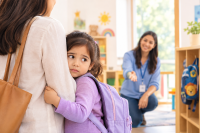
Imagine the scene: a bustling preschool classroom, colorful toys scattered around, and cheerful chatter filling the air. Yet, amidst this lively environment, one child clings tightly to their parent, tears streaming down their face. This is a familiar sight for many families navigating the emotional waves of separation anxiety in preschool children. Separation anxiety is not just a phase, but a significant emotional hurdle that many young children experience. As a parent, witnessing your child struggle with separation can be heart-wrenching, leaving you feeling helpless and concerned about their emotional well-being.
Parents often grapple with the challenge of easing their childs distress while ensuring a smooth transition into the world of preschool. The anxiety can manifest in various ways: from tears and tantrums at drop-off to clinginess and refusal to engage in activities. Understanding the root of this anxiety and how to address it is crucial for both the child and the parent.
In this article, you will discover practical strategies to help your child cope with separation anxiety. We will delve into the causes, explore effective techniques, and provide you with a toolkit of tips for managing these difficult moments. By the end, you will be equipped with the knowledge to support your child through this common developmental stage.
Explore the sections below to find actionable insights and strategies for managing separation anxiety in preschool children.
Separation anxiety is a normal part of early childhood development, typically appearing around eight months and peaking in toddlers. It is the fear of being away from a primary caregiver, often leading to distress when separated. For preschoolers, this anxiety can surface as they begin to spend more time away from home.
Take the example of five-year-old Aanya, who found it difficult to let go of her mothers hand on her first day of preschool. Despite the welcoming atmosphere, Aanyas fear of being apart was overwhelming. Her mother, feeling the tug of her daughters anxiety, knew she had to find ways to reassure her while encouraging independence. Aanyas mother decided to create a special goodbye ritual that involved a secret handshake and a promise to return right after snack time. This small gesture made Aanya feel more secure and helped her manage her emotions better.
Understanding the developmental milestones of preschool children can help parents recognize that separation anxiety is a sign of deep attachment, rather than a negative trait. Children at this age are learning to navigate their emotions, and separation anxiety is a part of their journey towards independence. Parents must remember that this is a natural phase and that their support can significantly impact their childs ability to cope.
Several factors contribute to separation anxiety in preschool children. One primary cause is the childs developmental stage. At this age, children are developing a sense of individuality, yet they still rely heavily on their caregivers for emotional security. This dependency can make the thought of separation daunting.
Changes in routine or environment can also trigger anxiety. For instance, starting preschool, moving to a new home, or a change in family dynamics can unsettle a child. Seven-year-old Veer experienced heightened anxiety when his family moved to a new city. The unfamiliar surroundings and new school environment intensified his fear of separation, making it challenging for him to settle into his new preschool. Veers parents recognized that they needed to create a stable routine and involve him in activities that would help him feel more comfortable in his new surroundings.
The temperament of the child plays a role as well. Some children are naturally more sensitive and may require additional reassurance. Understanding these underlying causes can help parents tailor their approach to easing their childs anxiety. For example, a child who is more introverted may need quieter, more gradual introductions to new environments, while an extroverted child might thrive with more social interaction.
Recognizing the signs of separation anxiety early can help parents address the issue before it becomes overwhelming. Common signs include excessive crying, clinginess, and refusal to engage in activities without the parent present. Some children may also exhibit physical symptoms like stomachaches or headaches when faced with separation.
It is important for parents to observe changes in behavior that coincide with separation. For example, if a child who was previously enthusiastic about school suddenly becomes withdrawn or upset at the thought of attending, this could indicate separation anxiety. Keeping an open line of communication with teachers can also provide insights into the childs behavior in the classroom. Parents should ask teachers about their observations and any strategies that have worked for other children experiencing similar issues.
By identifying these signs, parents can begin to implement strategies to alleviate their childs anxiety and help them feel more secure. It is essential to approach the situation with empathy and understanding, allowing the child to express their feelings without judgment.
One common mistake parents make is to dismiss their childs feelings of anxiety as mere fussiness or attention-seeking behavior. This can lead to feelings of isolation for the child and exacerbate their anxiety. Instead, parents should acknowledge their childs feelings and validate their emotions. For instance, if a child expresses fear about going to preschool, parents can say, I understand that you are feeling scared about being away from me. It is okay to feel that way.
Another mistake is prolonging goodbyes, which can increase anxiety. Parents may think that lingering will help their child adjust, but it often has the opposite effect. A quick and confident goodbye can reassure the child that they will be okay. Parents should practice short separations at home, such as leaving the room for a few minutes, to help the child build confidence in their ability to cope.
Finally, some parents may inadvertently reinforce clingy behavior by giving in to their childs demands to stay home or avoid preschool. It is crucial to set boundaries while also providing comfort and support. Parents can explain the importance of attending preschool and the fun activities that await their child there.
There are several effective strategies parents can use to ease separation anxiety in their preschool children. Establishing a consistent routine can provide a sense of security. Knowing what to expect each day can help reduce anxiety for children. Morning rituals, such as a special goodbye routine, can make departures less stressful. For example, parents can create a visual schedule that outlines the morning routine, helping the child understand the sequence of events leading up to preschool.
Gradual exposure to separation can also be beneficial. Start with short periods of separation and gradually increase the time as the child becomes more comfortable. This helps build confidence and trust that the parent will return. Parents can practice this by arranging playdates with other children or leaving the child with a trusted family member for brief periods.
Encouraging independence through play can also be valuable. Activities that teach problem-solving and self-soothing can empower children to feel more secure in their surroundings. For instance, role-playing with toys can help children express their feelings and practice coping mechanisms. Parents can set up scenarios where the child pretends to go to preschool and the parent pretends to leave, allowing the child to practice saying goodbye in a safe environment.
Separation anxiety can manifest differently at various ages. At three years old, children may exhibit anxiety about being apart from their parents during short outings. They may cry or cling to the parent when it is time to leave. At this age, parents can help by gradually introducing the idea of separation through play and short absences.
By age five, children are often more aware of their surroundings and may express anxiety about starting preschool or kindergarten. They may worry about making new friends or being away from their parents for longer periods. Parents can help ease this transition by visiting the new school together, meeting the teacher, and discussing the exciting activities that await.
At seven years old, some children may still experience separation anxiety, especially if they are facing significant changes, such as moving to a new city or school. It is important for parents to remain supportive and acknowledge their childs feelings while encouraging them to engage with peers and participate in new activities.
Teachers and caregivers play a crucial role in helping children overcome separation anxiety. Building a strong relationship with the child can provide additional emotional support. A teacher who takes the time to understand the childs interests and fears can create a nurturing environment that feels safe and welcoming. For instance, a teacher might notice that a child enjoys a particular storybook and use it as a tool to help the child feel more comfortable during storytime.
Open communication between parents and teachers is essential. Sharing strategies that work at home can help teachers reinforce these techniques in the classroom. For example, if a child finds comfort in a particular toy or song, incorporating these into the school day can ease anxiety. Teachers can also provide feedback to parents about the childs progress and any improvements they observe.
Teachers can also encourage peer interactions, helping children build friendships that provide emotional support during times of separation from parents. Facilitating group activities can help children feel more connected and less anxious about being away from their parents.
As parents implement strategies to help their children cope with separation anxiety, it is important to recognize signs of progress. One key indicator is a decrease in crying or distress during drop-off times. If a child begins to separate from their parent with less hesitation, this is a positive sign of improvement.
Another sign of progress is increased engagement in activities at preschool. If a previously withdrawn child starts to participate in group games or interacts with peers, it indicates that they are becoming more comfortable in the environment. Parents should celebrate these small victories and provide positive reinforcement.
Additionally, parents may notice that their child is able to articulate their feelings more effectively. If a child can express their anxiety and discuss their feelings with their parent, it shows growth in emotional regulation and coping skills. Encouraging open communication can further enhance this progress.
While separation anxiety is a normal part of development, there are times when professional help may be necessary. If a childs anxiety is severe or persists beyond the preschool years, it may be beneficial to consult a child psychologist or counselor. Parents should look for signs such as ongoing physical symptoms, extreme withdrawal, or an inability to participate in daily activities.
Professional intervention can provide tailored strategies to address the childs specific needs. Therapists can work with both the child and parents to develop coping mechanisms and reduce anxiety. Early intervention can prevent anxiety from impacting the childs overall development and well-being. Parents should not hesitate to seek help if they feel their childs anxiety is beyond what they can manage at home. Professional support can make a significant difference in the childs emotional health.
Creating a supportive and reassuring home environment is key to helping your child overcome separation anxiety. Encourage open discussions about feelings and validate your childs emotions. Let them know it is okay to feel anxious and offer reassurance that you will always return. Parents can create a safe space for conversations by designating a specific time each day to check in with their child about their feelings.
Incorporate calming activities into your daily routine. Reading together, practicing deep breathing exercises, or engaging in creative play can help reduce stress and build a sense of security. For example, parents can introduce a calming bedtime routine that includes reading a favorite story and discussing the childs day, helping them feel more connected and secure.
Remember, your presence and understanding are powerful tools in helping your child navigate separation anxiety. With patience and consistency, you can support your child through this challenging phase. Picture a scene where, after a few weeks of practice and reassurance, your child confidently walks into preschool, waving goodbye with a smile, excited to see their friends and partake in the days activities. This is the success you can achieve together.
Separation anxiety typically lasts a few weeks to a few months, depending on the child and their coping mechanisms. Consistent routines and reassurance can help reduce the duration. Some children may experience anxiety during transitions, such as starting a new school year, which can temporarily heighten their distress.
Start by having a calm conversation with your child about their fears. Gradual exposure to the preschool environment and involving teachers in the process can help ease their anxiety. Parents can also arrange playdates with classmates to help their child build friendships and feel more comfortable in the preschool setting.
Separation anxiety can impact learning if it causes significant distress. Addressing the anxiety through supportive strategies can help ensure it does not hinder your childs educational experience. If a child is unable to focus or participate due to anxiety, it may be necessary to implement additional coping strategies or seek professional help.
Effective coping strategies include establishing a consistent routine, practicing short separations, and encouraging independence through play. Parents can also implement calming techniques, such as deep breathing exercises or mindfulness activities, to help their child manage anxiety during separation. Role-playing scenarios can also be beneficial in preparing the child for real-life situations.
If your childs anxiety is severe, persistent, or affecting their daily life, it may be time to consult a child psychologist or counselor. Signs that professional help may be necessary include ongoing physical symptoms, extreme withdrawal, or difficulty participating in age-appropriate activities. Early intervention can significantly improve emotional health and coping skills.