
Loading...
Loading...

Nullam dignissim, ante scelerisque the is euismod fermentum odio sem semper the is erat, a feugiat leo urna eget eros. Duis Aenean a imperdiet risus.




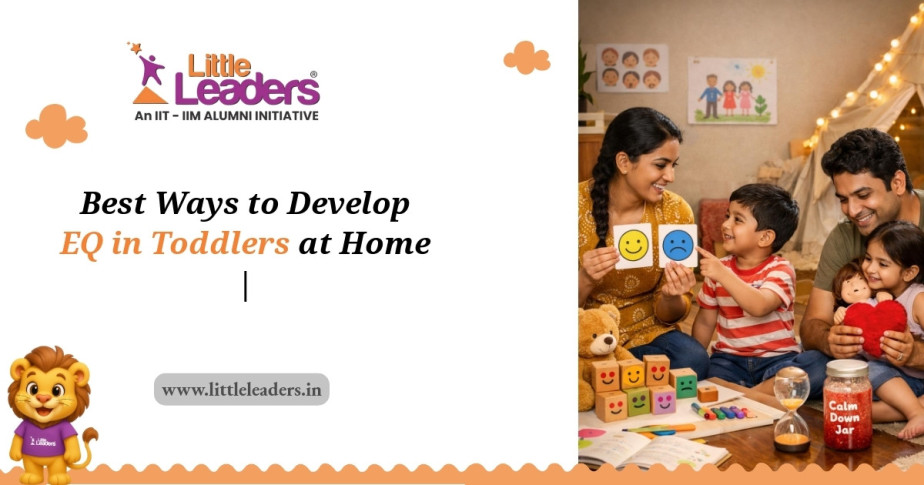
Imagine a world where toddlers express their emotions with ease, understanding not only their feelings but those of others. This is the promise of emotional intelligence, or EQ, and it is never too early to start nurturing it at home. Parents everywhere are discovering the best ways to develop EQ in toddlers at home, turning everyday moments into opportunities for growth. The journey of emotional intelligence development begins with the smallest of steps, and every parent can play a pivotal role in this process.
For many parents, the challenge lies in understanding what truly works. You might find yourself wondering how to encourage your child to express emotions or how to teach empathy. These are common concerns, and addressing them can make a significant difference in the emotional development of your child. Emotional intelligence is not just a skill; it is a vital part of a childs overall development that influences their future relationships and success.
By the end of this read, you will have a toolset of practical strategies to foster emotional intelligence in your toddler. From interactive games to daily routines, you will learn how to seamlessly integrate EQ development into your home environment, ensuring your child grows up with the emotional skills needed for a successful future. Each section will provide insights and actionable steps to help you guide your child toward becoming emotionally intelligent.
Explore these insightful sections to enhance your understanding:
Emotional intelligence is the ability to recognize, understand, and manage our own emotions, as well as recognize, understand, and influence the emotions of others. In toddlers, developing EQ is about helping them identify their feelings and respond to those feelings in a healthy way. This foundational skill can significantly impact their social interactions and personal development. For instance, consider four year old Maya, who often felt frustrated when she could not complete a puzzle. Her parents introduced her to simple breathing exercises to calm down, which not only helped her manage her frustration but also taught her to articulate her feelings about the challenge.
Five year old Aanya, for instance, often struggled with sharing her toys. Her parents decided to introduce a simple game where Aanya named her feelings whenever she felt upset. Over time, Aanya not only became more willing to share but also started to understand her friends emotions, leading to more harmonious playdates. By understanding emotional intelligence, parents can lay the groundwork for their childs future success in relationships and academics.
Interactive games are a fantastic way to engage toddlers in emotional development. Games like emotion charades, where children act out different emotions, can be both fun and educational. This helps toddlers learn to identify and express their feelings in a safe environment. For example, three year old Riya loved playing a game where she had to imitate different animals while expressing emotions. When she pretended to be a sad puppy, she learned to connect her feelings with physical expressions.
Take the example of seven year old Veer, who enjoyed playing emotion bingo with his family. Each card featured different emotional scenarios, and Veer learned to match them with appropriate emotions. This game not only improved his emotional vocabulary but also his ability to empathize with others. Parents can easily create their own bingo cards at home, incorporating emotions that are relevant to their childs daily experiences.
Creating an environment that encourages emotional awareness starts with open communication. Encourage your child to talk about their day, discussing both the highs and the lows. This practice helps them feel heard and understood, fostering a sense of security. For instance, during dinner, parents can ask their child about one happy moment and one challenging moment from their day, creating a routine of emotional sharing.
In addition to conversations, consider using visual aids like emotion charts. These can help toddlers visually connect with their feelings, providing a reference point for discussions about emotions. The more comfortable they are with expressing themselves, the better equipped they will be to handle emotional challenges. Imagine a colorful chart with faces showing different emotions, which can be a great tool for children to point to when they are feeling a certain way.
One common mistake parents make is dismissing their childs feelings. When a child expresses sadness or anger, some parents might say things like it is not a big deal or you should not feel that way. This can lead to children feeling invalidated and reluctant to express their emotions in the future. Instead, parents should acknowledge their childs feelings, no matter how trivial they may seem. For example, if a child is upset about a toy being taken away, parents can validate their feelings by saying it is okay to feel sad about losing a toy.
Another mistake is not modeling emotional intelligence themselves. Children learn by observing their parents, so if parents do not express their feelings or handle emotions poorly, children may mimic those behaviors. Parents should strive to demonstrate healthy emotional expression and regulation. By openly discussing their own feelings and how they cope, parents can teach their children how to navigate their emotions effectively.
Emotional intelligence develops in stages, and parents should have realistic expectations based on their childs age. At age three, children are just beginning to identify their own feelings and may struggle to articulate them. They may express emotions through tantrums or physical actions. By age five, children start to understand the concept of empathy and can recognize emotions in others, although they may still need support in expressing their own feelings. By age seven, children typically have a more developed emotional vocabulary and can engage in discussions about feelings, allowing them to navigate social situations more effectively.
Understanding these developmental milestones can help parents tailor their approach to nurturing emotional intelligence. For example, a three year old might benefit from simple games that focus on basic emotions, while a seven year old might enjoy more complex discussions or role-playing scenarios that challenge their empathy skills.
Storytelling is a powerful tool for developing emotional intelligence. Through stories, children can explore different perspectives and emotions. Reading books that feature diverse characters and situations can prompt discussions about feelings and empathy. For instance, when reading a story about a character who feels left out, parents can ask their child how they would feel in that situation. This encourages children to think critically about emotions and enhances their understanding of others.
When reading to your child, pause to ask how they think a character feels or what they might do in a similar situation. This not only enhances their comprehension skills but also deepens their emotional understanding. Imagine sitting together with your child, surrounded by colorful illustrations, and discussing the characters feelings as if they were real people. This can create a memorable bonding experience that encourages emotional growth.
Incorporating EQ development into daily routines can be simple yet effective. During meal times, encourage your child to share something that made them happy or sad that day. This practice not only enhances emotional expression but also builds a routine of reflection. For example, while enjoying breakfast, parents can ask their child to share their favorite moment from the previous day. This creates a positive atmosphere where children feel comfortable discussing their feelings.
Bedtime is another ideal moment for reinforcing emotional skills. Use this time to talk about the day, addressing any worries or fears your child may have. This routine can help them wind down and understand that it is normal to have a range of emotions. Imagine a cozy bedtime setting, with soft lighting and a comforting blanket, where parents can gently guide their child through the days events and emotions.
Parents play a crucial role in developing the emotional intelligence of their children. By modeling emotional intelligence themselves, parents can set a powerful example. Demonstrating empathy, active listening, and emotional regulation are key behaviors that children can learn from observing. For instance, if a parent expresses frustration in a healthy way, their child learns how to manage similar feelings.
Encourage your child to express their emotions without fear of judgment. This creates a supportive environment where they feel safe to explore and understand their feelings. Remember, the goal is not to eliminate negative emotions but to teach children how to cope with them effectively. Parents can also use phrases like it is okay to feel angry, but let us find a way to express that feeling without hurting others, reinforcing positive emotional management.
As your child develops emotional intelligence, there are several signs of progress to look out for. One key indicator is an increase in their ability to express feelings verbally. If your child starts using words to describe how they feel instead of resorting to tantrums, this is a positive sign. Additionally, you may notice your child showing empathy towards others, such as comforting a friend who is upset or sharing their toys willingly.
Another sign is improved emotional regulation. If your child is able to calm down after getting upset or can articulate their feelings when they are experiencing strong emotions, it indicates growth in their emotional intelligence. Parents should celebrate these milestones, as they reflect the effectiveness of the strategies implemented at home and encourage further development.
Real-life applications of emotional intelligence can be seen in everyday interactions. Consider the case of five year old Aanya again, who now uses her EQ skills to navigate playground conflicts. By recognizing when she feels frustrated and communicating her needs, she resolves disagreements more peacefully. This not only benefits her but also teaches her friends valuable lessons in emotional communication.
Similarly, Veer, with his improved emotional vocabulary, can articulate when he feels overwhelmed, allowing his parents to provide the support he needs. These examples highlight the transformative impact of developing EQ in toddlers at home. Imagine a future where your child confidently navigates their emotions, forming healthy relationships and tackling challenges with resilience. The journey to developing emotional intelligence begins with small, intentional steps. Start today by choosing one strategy from this article to implement in your routine.
For more tips and resources on nurturing emotional intelligence, visit LittleLeaders.in where you will find a wealth of information tailored to Indian families. Your commitment to developing EQ in your toddler will set the stage for their emotional well-being and success in life.
If you notice persistent difficulties in your childs emotional development, it may be beneficial to seek extra support. Signs that your child may need additional help include frequent emotional outbursts, difficulty forming relationships, or an inability to express feelings verbally. Consulting with a child psychologist or counselor can provide valuable insights and strategies tailored to your childs unique needs.
Early intervention can make a significant difference in a childs emotional growth. Parents should not hesitate to reach out for professional guidance if they feel overwhelmed or unsure about their childs emotional development. Remember, seeking help is a proactive step toward ensuring your childs emotional well-being and future success.
Look for signs like increased empathy, better emotion regulation, and improved communication about feelings. These indicate growing emotional awareness. You may notice your child recognizing when others are upset or using words to express their feelings. Observing these behaviors can help you gauge their emotional development.
Engage in activities like role-playing, storytelling, and emotion charades. These can enhance emotional recognition and empathy in a fun way. Simple games that encourage your child to express feelings can also be effective. Incorporating these activities into your daily routine can foster a deeper understanding of emotions.
Emotional intelligence helps toddlers build strong relationships, manage stress, and develop resilience, which are essential life skills. Children with high EQ are often better equipped to handle challenges and navigate social situations. Nurturing emotional intelligence in early childhood sets the foundation for their future emotional health.
Encourage open communication by creating a safe space for your child to share their feelings. Use prompts during daily activities, such as asking about their day or how they feel about certain events. Additionally, modeling emotional expression yourself can inspire your child to do the same. The more they see you discussing your emotions, the more comfortable they will feel expressing theirs.
Play is a crucial aspect of emotional development for toddlers. Through play, children can explore feelings, practice empathy, and learn about social interactions. Activities like pretend play or cooperative games allow children to experience different emotions and understand the perspectives of others. Encouraging imaginative play can significantly enhance your childs emotional intelligence.