
Loading...
Loading...

Nullam dignissim, ante scelerisque the is euismod fermentum odio sem semper the is erat, a feugiat leo urna eget eros. Duis Aenean a imperdiet risus.




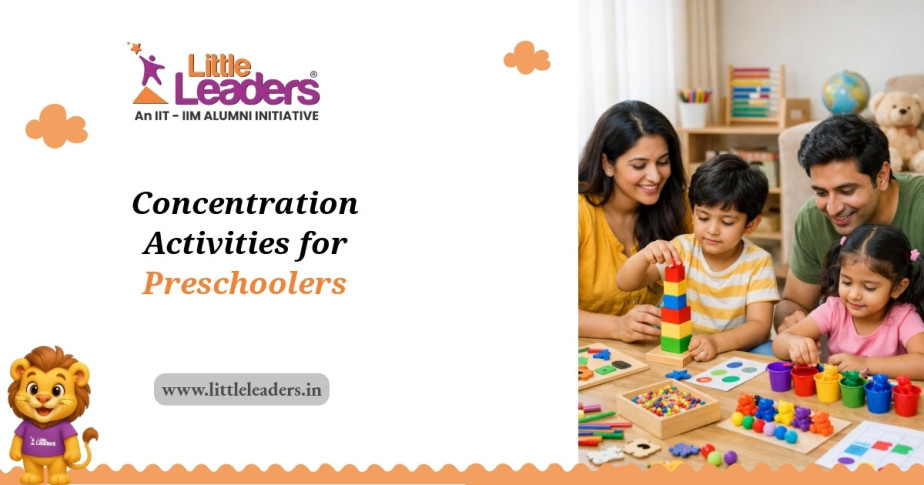
Imagine a world where your preschooler sits peacefully, immersed in an activity that captivates their full attention. It sounds like a dream, does it not? Concentration activities for preschoolers can transform this dream into reality, providing a foundation for focus that benefits them for life. Whether it is building blocks, sorting games, or creative tasks, these activities hold the key to unlocking the potential of your child.
Parents often find themselves at a crossroads, wondering how to nurture concentration in their lively preschoolers without stifling their natural curiosity. The challenge lies in balancing structured activities with free play, ensuring that your child learns to focus while still enjoying their childhood. The good news is that there are proven strategies and activities that can help.
In this article, you will discover a treasure trove of activities designed to boost concentration in preschoolers. From practical tips to real-life examples, you will walk away with a toolkit that empowers you to support the development of your child in fun and engaging ways.
Explore the sections below to find the perfect concentration activities for your preschooler:
Concentration is the ability to focus on a task at hand, ignoring distractions while maintaining attention over a period. For preschoolers, developing this skill is crucial as it lays the groundwork for future learning and success. But how does concentration manifest in young children? Often, it is seen in short bursts of intense focus, which gradually increase as they grow older.
Take Aanya, a five-year-old who once struggled to sit through a simple puzzle. Her parents noticed that by gradually introducing slightly more challenging puzzles and celebrating small victories, the ability of Aanya to concentrate improved significantly. This progression is typical as children learn to harness their attention span through practice and encouragement.
Parents can expect to see changes in concentration as their children grow. At age three, many preschoolers can focus on a task for about five to ten minutes. By age five, this may increase to fifteen to twenty minutes, and by age seven, children can often concentrate for over thirty minutes. The journey to concentration begins with understanding that every child is unique. Some may naturally have a longer attention span, while others require more stimulation to remain engaged. As a parent, recognizing the individual needs and preferences of your child is the first step in fostering their concentration abilities.
Play is not just fun and games; it is a serious business for preschoolers. Through play, children explore their environment, develop new skills, and learn to focus. Activities like building blocks, role-playing, and art projects are excellent ways to enhance concentration.
Consider Veer, a seven-year-old who thrives in activities that allow him to move and explore. His parents noticed that providing opportunities for him to engage in pretend play with costumes and props significantly improved his focus. By weaving stories and scenarios, Veer learned to concentrate on the task at hand without even realizing it.
Incorporating play into daily routines encourages children to practice concentration in a natural and enjoyable way. It is through these playful experiences that children learn to direct their attention and develop the patience needed for more structured tasks. For example, setting up a scavenger hunt in the backyard can be a fun way to encourage focus as children search for specific items, enhancing their ability to concentrate.
One common mistake parents make is expecting their preschoolers to sit still for long periods during concentration activities. Young children naturally have high energy levels and shorter attention spans. Instead of forcing them to remain seated, parents should create short bursts of focused activities followed by movement breaks. This approach allows children to engage in concentration activities without feeling overwhelmed.
Another mistake is not recognizing the value of free play. While structured activities are important, unstructured playtime is equally essential for developing concentration skills. Children learn to focus on their interests during free play, which can lead to improved attention spans over time. Parents should aim to balance both types of play to nurture their childs ability to concentrate.
As children grow, their ability to concentrate evolves. At age three, children may be able to focus on a single activity for five to ten minutes before losing interest. They often enjoy activities that involve their senses, such as playing with playdough or exploring nature. By age five, many children can concentrate for up to fifteen to twenty minutes, allowing them to engage in more complex tasks like simple board games or arts and crafts. At this age, they may also begin to follow multi-step instructions.
By age seven, children can typically concentrate for longer periods, often exceeding thirty minutes. They are more capable of handling tasks that require critical thinking, such as solving puzzles or participating in group activities. Parents should be aware of these developmental milestones and adjust concentration activities accordingly to match their childs growing capabilities.
For the youngest preschoolers, concentration activities should be simple yet engaging. Sorting games, such as grouping objects by color or shape, are fantastic for this age group. These activities not only build concentration but also enhance fine motor skills and cognitive development. For instance, parents can provide a basket filled with assorted colored blocks and encourage their child to sort them into different containers based on color.
Another effective activity is sensory play. Providing a sensory bin filled with rice, beans, or sand allows toddlers to explore textures while focusing on the task of scooping, pouring, and sorting. This hands-on experience captivates their attention and encourages them to concentrate on the sensations and actions involved. Parents can enhance this experience by adding small toys or objects for children to discover as they play.
Storytime is also a valuable concentration activity. Reading books with vivid illustrations and engaging stories captures the attention of young children, encouraging them to listen and focus. Involving them by asking questions about the story or pictures further enhances their engagement and concentration. For example, parents can pause during the story to ask their child what they think will happen next, fostering critical thinking and focus.
As children grow, their capacity for concentration increases, allowing for more complex activities. Building and construction toys, such as LEGO or magnetic tiles, are excellent for this age group. These activities require children to plan, execute, and adjust their creations, fostering focus and problem-solving skills. Parents can encourage their children to follow specific designs or create their own structures, which enhances their ability to concentrate on the task.
Creative arts and crafts projects also offer opportunities to enhance concentration. Activities like painting, drawing, or creating collages require children to focus on the details and express their creativity through sustained attention. Encouraging your child to describe their artwork and the process involved further reinforces their concentration skills. For example, parents can set aside time for their child to create a themed collage, such as animals or nature, prompting them to think critically about their choices.
Simple board games like Snakes and Ladders or Memory Game are perfect for teaching children the importance of following rules and taking turns, which requires them to concentrate on the game flow and strategy. These games not only build concentration but also promote social skills and cooperation.
Older preschoolers are ready for more challenging concentration activities that require longer periods of focus. Jigsaw puzzles with larger pieces or more intricate designs are ideal for this age group, as they challenge children to think critically and maintain attention to complete the picture. Parents can involve their children in selecting puzzles that interest them, making the activity more appealing.
Introduce activities that involve sequencing or pattern recognition, such as arranging objects in a specific order or following a series of movements. These tasks encourage children to concentrate on the steps required to achieve the desired outcome. For example, parents can create a simple obstacle course in the backyard, requiring their child to follow specific instructions to navigate through it.
Incorporating music and rhythm into activities can also enhance concentration. Simple rhythm games using claps or instruments help children focus on timing and coordination, while also making the activity enjoyable and engaging. Parents can encourage their children to create their own rhythm patterns, fostering creativity while improving concentration.
The environment plays a crucial role in fostering concentration. A clutter-free, organized space with designated areas for play and learning can significantly enhance the ability of your child to focus. Ensure that distractions like televisions and loud noises are minimized during concentration activities. For instance, creating a cozy reading nook with soft lighting can help children feel more relaxed and focused during storytime.
Setting a routine that includes regular breaks and a balance of structured and free play helps children learn to manage their attention span. Encouraging outdoor play and physical activity also boosts concentration by providing a healthy outlet for energy and stress. Scheduling specific times for outdoor exploration, such as nature walks or visits to the playground, can be beneficial for concentration development.
Parents can model concentration by engaging in activities that require focus, such as reading or completing puzzles alongside their children. This not only sets a positive example but also creates opportunities for bonding over shared tasks. For instance, parents can set aside family game nights where everyone participates, reinforcing the importance of concentration in a fun way.
As parents work on enhancing concentration skills in their preschoolers, it is essential to recognize signs of progress. One indication is the ability of your child to engage in activities for longer periods without becoming easily distracted. For example, if your child can focus on a puzzle for fifteen minutes without losing interest, this is a positive sign of improvement.
Another sign is the ability to follow multi-step instructions. If your child can successfully complete a task that involves multiple steps, such as making a simple recipe or completing a craft project, it demonstrates their growing concentration skills. Additionally, observing your childs willingness to participate in activities that require focus, such as board games or reading, can indicate progress.
Parents should celebrate these milestones, as they reinforce the importance of concentration and encourage further development. Keeping a journal of your childs achievements can be a helpful way to track progress and motivate both you and your child.
While many children develop concentration skills naturally, some may require extra support. If a child consistently struggles to focus on tasks or shows signs of frustration during concentration activities, it may be time to seek additional help. Parents should consider consulting with a pediatrician or child psychologist if they notice significant delays in concentration development.
Signs that may indicate the need for extra support include difficulty following instructions, frequent distractions, or an inability to complete tasks independently. Early intervention can be beneficial in addressing these challenges and providing strategies to improve concentration skills. Parents should not hesitate to reach out for guidance if they have concerns about their childs concentration abilities.
Real-life experiences from parents highlight the effectiveness of concentration activities. Meera, a mother of twins, shares how introducing a daily routine of quiet time with puzzles and books transformed her household from chaotic to calm. By setting aside a specific time each day for concentration activities, her twins learned to enjoy and look forward to these moments. She noticed that their ability to focus improved, and they began to engage more in their schoolwork.
Similarly, Raj, a father of a six-year-old, found that incorporating concentration activities into his childs playtime improved his sons ability to focus on schoolwork. By using games and activities that his son enjoyed, Raj turned learning into a fun and engaging experience. He recalls a moment when his son completed a challenging puzzle on his own, beaming with pride. These stories illustrate the power of consistency and creativity in nurturing concentration skills. With a little patience and persistence, parents can create an environment where their children thrive in focus and learning.
Look for signs such as your child being able to focus on an activity for extended periods without getting easily distracted. Observe if they can follow instructions and complete tasks independently. You may also notice their ability to engage in conversations about the activity, indicating that they are processing information and concentrating on the task.
It is common for young children to have short attention spans. Gradually increase the complexity of activities and provide encouragement and praise for their efforts. Tailor activities to their interests to maintain engagement. For instance, if your child enjoys animals, consider incorporating animal-themed activities that capture their attention and keep them focused.
Yes, concentration activities develop skills essential for school, such as following instructions, completing tasks, and problem-solving. These activities prepare children for the structured environment of a classroom. Engaging in concentration activities also helps children develop social skills, as they learn to work with others and take turns, which are crucial for success in school.
To make concentration activities more enjoyable, consider incorporating themes or interests that your child loves. Use colorful materials, engaging stories, or interactive games to capture their attention. You can also include music or movement to make activities lively and fun. The key is to keep the experience positive and engaging, allowing your child to develop their concentration skills while having fun.
If your child consistently struggles to focus on tasks or shows signs of frustration during concentration activities, it may be time to seek additional help. Signs that may indicate the need for extra support include difficulty following instructions, frequent distractions, or an inability to complete tasks independently. Early intervention can be beneficial in addressing these challenges and providing strategies to improve concentration skills.
As you embark on this journey of enhancing the concentration of your child, imagine a scene where your child confidently completes a challenging puzzle, their face lighting up with joy and pride. You sit beside them, sharing in their excitement, knowing that your efforts have contributed to their success. By incorporating these activities into your daily routine, you are setting the stage for a lifetime of learning and success. For more tips and resources, visit LittleLeaders.in, your partner in parenting.