Loading...
Loading...





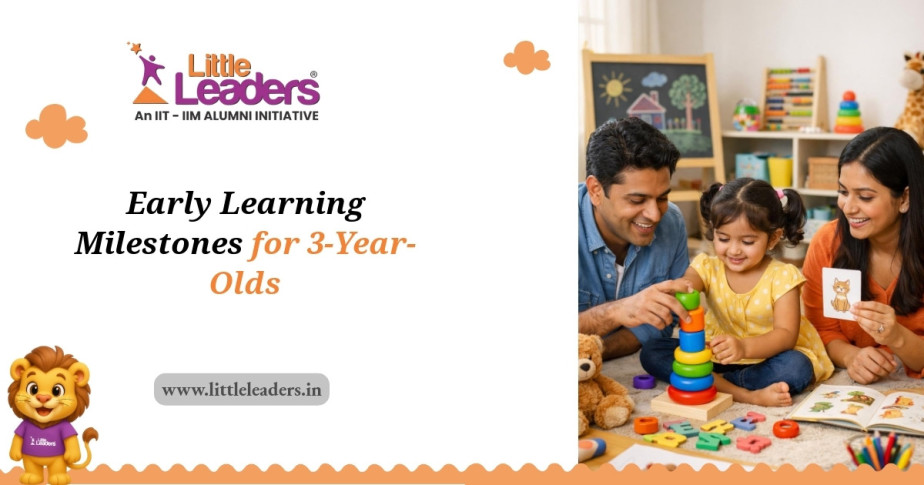
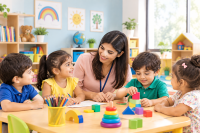
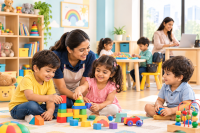
Imagine a bustling morning where the sun filters through the curtains, casting playful patterns on the floor. As you sip your morning tea, you glance over to see your three-year-old deeply engaged in building a tower of colorful blocks. Each block meticulously placed, each move carefully considered. It is in these moments of play that early learning milestones for 3-year-olds come to life, revealing the incredible growth and development taking place. The laughter and excitement in the air are palpable, making every moment feel special.
Parents often find themselves pondering over the developmental stages their children are going through. The curiosity is natural: is my child on track, are they developing as expected, and what should I be looking out for? These questions echo in the minds of many, fueling the desire to understand more about early learning milestones for 3-year-olds. It is common to feel overwhelmed, but knowing what to expect can ease those worries.
In this exploration, we will delve into the fascinating world of childhood development at this tender age. By the end, you will have a clearer picture of what to expect, insights into nurturing these milestones, and practical steps to support the growth of your child.
Here is what we will cover in this insightful journey:
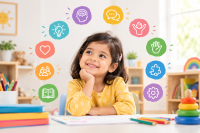
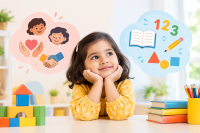
At three years old, children experience a cognitive leap that is both exciting and challenging. They begin to understand the concept of time, recognizing sequences and the difference between past and present. This is the age where they start to ask endless questions, driven by an insatiable curiosity about the world around them. Three-year-old Aanya, for example, is fascinated by the concept of yesterday and tomorrow. Her mother often finds herself explaining why today cannot be tomorrow, igniting delightful conversations that stretch her own understanding of time. Encouraging this curiosity by answering questions and engaging in discussions helps nurture cognitive development. Providing puzzles and memory games can also enhance their problem-solving skills and memory retention. One day, while playing with a simple jigsaw puzzle, Aanya exclaimed with joy when she completed it, showcasing her developing cognitive skills.
A common mistake that parents make during this crucial stage is underestimating the importance of play in cognitive development. Some parents may focus too heavily on structured learning, believing that formal education should begin early. However, play is a vital component of learning at this age. It is through play that children explore, experiment, and understand their environment. Instead of solely focusing on academic skills, parents should encourage free play and exploration, allowing their children to learn through their experiences. Engaging in activities that promote critical thinking, such as building blocks or playing pretend, can foster a love for learning while supporting cognitive milestones.
Three-year-olds are not just learning about the world; they are also learning about themselves and others. This age marks significant social and emotional development milestones. Children begin to play more cooperatively with peers, sharing toys and taking turns. Aanya, for instance, loves her playdates with her friend Rohan. They have learned to negotiate who gets to play with the blue truck first, a significant step in developing empathy and understanding. Parents can support this growth by arranging regular playdates and encouraging cooperative games that teach sharing and teamwork. It is also important to talk about emotions, helping your child label feelings and teaching them how to express emotions appropriately. One afternoon, while playing with Rohan, Aanya noticed he was upset when he could not get a toy. She approached him and asked if he wanted to play with her instead, demonstrating her growing emotional awareness.
As children develop, it is important for parents to recognize the signs of progress in social and emotional milestones. By three years old, children typically begin to show interest in friendships and may express a desire to play with others. Look for signs such as your child initiating play with peers, showing empathy towards others, or expressing their feelings verbally. For instance, if your child shares a toy with a friend or comforts someone who is sad, these are strong indicators of healthy emotional development. Encouraging these behaviors can further enhance their ability to connect with others and build meaningful relationships.
The language skills of a three-year-old are rapidly expanding. By this age, children can typically speak in full sentences and have a vocabulary of about 200 to 300 words. They enjoy storytelling and may start to engage in simple conversations. Seven-year-old Veer, who once spoke in single words, now entertains his family with elaborate tales about his day at preschool. Reading together regularly and encouraging your child to express their thoughts can significantly enhance language development. Introducing new words during everyday activities and explaining their meanings can also enrich their vocabulary. One evening, while reading a bedtime story, Veer pointed to a picture and excitedly described what he saw, showcasing his growing language skills.
To encourage language development in your three-year-old, consider practical steps that can be integrated into daily routines. Engage in regular conversations with your child, asking open-ended questions that require more than yes or no answers. For example, instead of asking if they had a good day, ask them to tell you about their favorite part of the day. Reading together daily is also essential, as it exposes your child to new vocabulary and sentence structures. Choose books with colorful illustrations and engaging stories that capture their interest. Additionally, encourage your child to narrate their experiences, whether it is a trip to the park or a visit to a family member. This practice not only builds language skills but also strengthens the bond between you and your child.
Physically, three-year-olds are full of energy and constantly on the move. They are refining their motor skills, which allows them to run, jump, and climb with increasing confidence. Their fine motor skills are also developing, enabling them to hold crayons, use scissors, and even dress themselves with some assistance. Encouraging physical activities like dancing, playing ball, or navigating an obstacle course can help develop these skills further. Veer, for instance, loves to play catch with his father, which not only strengthens his coordination but also his bond with his parent. One sunny afternoon, they spent hours playing in the backyard, laughing and enjoying the physical activity together.
To encourage physical development in your three-year-old, incorporate various activities that promote both gross and fine motor skills. Set up an obstacle course in your backyard or living room using cushions, chairs, and toys for them to climb over and navigate. This not only helps with coordination but also encourages problem-solving as they figure out how to overcome obstacles. Additionally, activities like drawing, coloring, and playing with playdough can enhance fine motor skills. Consider taking family walks or bike rides, allowing your child to explore their environment while being active. Engaging in these activities together fosters a love for movement and encourages a healthy lifestyle.
Imaginative play becomes a central part of life for three-year-olds. They create elaborate scenarios with their toys, often mimicking real-life situations. This type of play is crucial for cognitive and social development as it allows children to explore different roles and perspectives. Providing a variety of props and costumes can enrich this imaginative play. Aanya often becomes a doctor or a chef, taking her toys on imaginative adventures that reflect her understanding of the world. Encouraging this creativity by participating in their play and asking open-ended questions can further stimulate their imagination. One day, Aanya dressed up as a doctor and pretended to check the heartbeat of her stuffed animals, showcasing her understanding of the world around her.
As you witness the unfolding of these early learning milestones for 3-year-olds, you are not just observing growth; you are nurturing a foundation for lifelong learning. Imagine a future where your child confidently expresses their thoughts, shares with friends, and engages in creative play. By engaging with your child in meaningful activities and conversations, you can support their development in profound ways. The next step is simple: continue to be present, encourage exploration, and celebrate each milestone, no matter how small. For more insights and resources, visit LittleLeaders.in.
By three years, children typically begin to understand concepts of time, engage in simple problem-solving, and develop memory skills. They often enjoy puzzles and games that challenge their thinking. It is important to encourage their curiosity by providing opportunities for exploration and discussion. Engaging them in conversations about their day can also enhance cognitive development.
Engage in regular conversations, read together daily, and introduce new vocabulary during everyday activities. Encourage your child to express thoughts and ask questions to stimulate language growth. Creating a language-rich environment is essential, so narrate your activities and encourage your child to share their experiences. This practice will help build their confidence in using language.
Activities like running, jumping, climbing, and playing ball games support gross motor skills. Fine motor skills can be developed through drawing, using scissors, and building with blocks. Incorporating physical activities into daily routines will help your child develop strength and coordination. Consider engaging in family games that promote movement and teamwork.
If you notice significant delays in your childs development, such as difficulty with speech, social interactions, or physical activities, it may be time to seek extra support. Consulting with a pediatrician or child development specialist can provide valuable insights. Early intervention can make a significant difference in your childs growth and development, so do not hesitate to reach out for guidance.
As your child grows older, you can expect their cognitive, social, and emotional skills to continue developing. By age five, children typically exhibit more advanced problem-solving skills, better emotional regulation, and improved language abilities. They will also begin to form stronger friendships and engage in more complex play scenarios. By age seven, children often demonstrate greater independence and critical thinking skills, allowing them to navigate social situations with ease.