
Loading...
Loading...





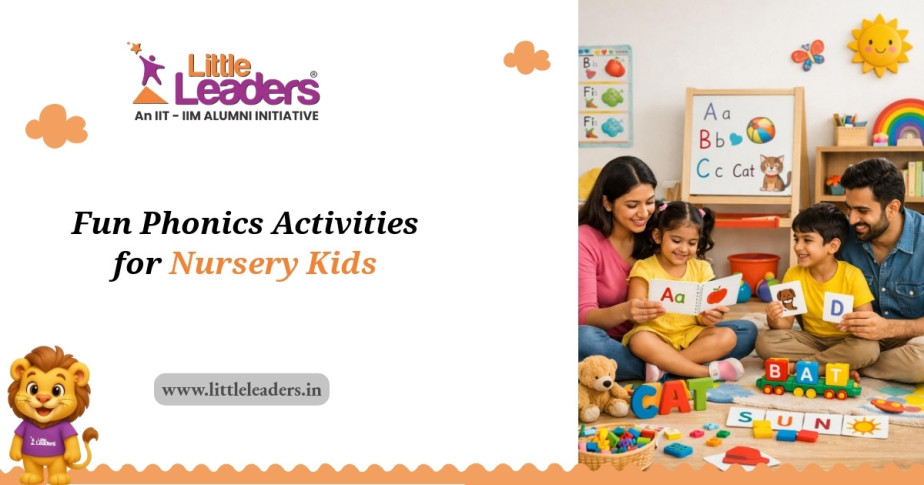
As you watch your child grow, the desire to nurture their language skills becomes paramount. Fun phonics activities for nursery kids are not just educational; they are an exciting way to enhance your childs early literacy journey. Imagine a room filled with laughter as children learn the sounds of letters through engaging games and activities. Picture a sunny afternoon where your child is surrounded by friends, all giggling as they play a phonics game that involves hopping on letters drawn on the ground. This playful interaction not only fosters learning but also builds social skills.
Many parents find themselves at a crossroads, wondering how to make learning phonics enjoyable rather than a chore. The idea of mixing fun with education can seem daunting, but it is entirely achievable with the right approach. The curiosity and energy of young children can be harnessed to create a vibrant learning environment. For instance, four-year-old Tara discovered her love for phonics during a family game night, where her parents turned phonics into a lively board game that the entire family could enjoy.
In this article, you will discover a treasure trove of activities that transform phonics from a mundane task into an adventure. From interactive games to creative storytelling, you will walk away with actionable ideas to implement right away, ensuring your child not only learns but loves to learn. Imagine the joy on your childs face as they successfully sound out a word, feeling proud and accomplished.
Explore the sections below to find the perfect phonics activities for your nursery-aged child.
Phonics is the foundation of reading fluency. It involves the relationship between sounds and their spellings. Understanding phonics helps children decode words, which is crucial for developing reading skills. Imagine your child being able to pick up a book and read it aloud with confidence. This is the power of phonics. Early exposure to phonics enhances language development and sets the stage for academic success. For example, five-year-old Aanya, who initially struggled with reading, found joy in phonics through interactive games. Her father introduced her to letter sounds using colorful flashcards and sound-matching games. Over time, Aanyas reading skills improved, and she began to enjoy reading storybooks independently. The transformation was remarkable as Aanya went from hesitating over words to reading aloud with enthusiasm.
Games are an excellent way to teach phonics. They capture the attention of young learners and make the learning process enjoyable. Consider games like Sound Bingo where children match sounds to pictures, or Phonics Treasure Hunt where they search for objects beginning with a specific sound. These activities not only reinforce letter sounds but also improve memory and concentration. Imagine setting up a treasure hunt in your backyard or living room, where your child finds items that start with the letter B, such as a ball, a book, and a banana. This real-world connection helps solidify their understanding.
In a classroom setting, teachers can use digital tools to create interactive phonics games. For instance, a digital app that pronounces letter sounds and asks children to identify them can be both educational and entertaining. This blend of technology and traditional learning methods helps maintain the interest of nursery kids. A practical step parents can take today is to download a phonics app and engage with their child in a fun game that encourages letter recognition.
Movement is a crucial aspect of learning, especially for young children. Incorporating physical activity into phonics learning can enhance retention and engagement. Consider activities like a Phonics Relay Race, where children race to match letter cards with corresponding objects. Each letter can be represented by a physical action, such as jumping for the letter J or spinning for the letter S. This not only reinforces letter sounds but also keeps children active and energized.
Another fun idea is to create a phonics obstacle course. Set up different stations where children perform actions related to specific sounds. For instance, at one station, they can practice saying words that start with the letter C while hopping on one foot. This combination of physical movement and phonics learning creates a dynamic and memorable experience for children.
Storytelling is a powerful tool for phonics learning. It engages children and enhances their listening skills while introducing new vocabulary. Create stories where characters embark on adventures involving different letter sounds. Encourage your child to participate by repeating sounds and guessing what happens next in the story. For instance, seven-year-old Veer learns better when he can pace around the room, acting out the stories he hears. This physical involvement helps him remember the sounds associated with each letter, making the learning process more effective. Imagine a story where a brave cat named Charlie goes on a quest to find his missing collar, encountering various animals along the way, each representing a different letter sound.
One common mistake parents make is focusing solely on memorization rather than understanding. Children may memorize letter sounds without truly grasping the connection between sounds and letters. To avoid this, engage children in activities that emphasize sound recognition through play. For example, instead of just drilling letter sounds, incorporate fun games that require children to identify sounds within words. Another mistake is not being patient. Learning phonics is a gradual process, and children may take time to grasp concepts. Celebrate small victories to encourage progress and maintain motivation.
Arts and crafts provide a hands-on approach to phonics. Encourage your child to create letter shapes using clay or draw scenes that feature objects starting with a particular sound. This activity not only reinforces letter recognition but also boosts creativity and fine motor skills. Imagine a craft session where children create a Phonics Garden using paper flowers, each labeled with a different sound. Such activities turn learning into a playful and artistic experience, making phonics memorable and fun. You can also create a phonics collage, where your child cuts out pictures from magazines that correspond to different letters, reinforcing their understanding of sounds through visual representation.
Music and movement are integral to phonics learning. Songs that emphasize letter sounds can help children remember them more easily. Dance and movement activities, where children act out sounds, add a kinesthetic dimension to learning, catering to diverse learning styles. Create a Phonics Dance Party where each dance move corresponds to a letter sound. This not only makes learning fun but also helps children associate sounds with physical actions, reinforcing their understanding. For example, during the letter B, children can bounce like a ball, while during the letter T, they can tiptoe around the room. This combination of music, movement, and phonics creates an engaging atmosphere for children.
Understanding what to expect at various ages can help parents tailor phonics activities to their childs developmental stage. At age three, children are typically beginning to recognize letters and their sounds. Activities should focus on simple recognition games and songs. By age five, children often start to blend sounds and read simple words. This is a great time to introduce more complex phonics activities, such as rhyming games and basic reading exercises. By age seven, children usually become more confident readers, and phonics activities can include reading comprehension and storytelling exercises. Tailoring activities to match these developmental milestones can enhance learning and maintain engagement.
Real-life examples of children benefiting from phonics activities can be inspiring. Consider how five-year-old Riya, who was initially shy, gained confidence through phonics songs. Her mother noticed a significant improvement in her vocabulary as she sang along to phonics tunes during car rides. Riya began to eagerly point out words she recognized in books, transforming her from a reluctant reader to an enthusiastic one. These stories highlight the transformative power of phonics activities, demonstrating that with the right approach, every child can find joy in learning. Another inspiring story is of eight-year-old Sam, who struggled with reading until his parents incorporated phonics games into their daily routine. Sam went from avoiding books to reading aloud to his younger siblings.
As your child engages in phonics activities, there are several signs of progress to look for. One key indicator is an increased ability to recognize letter sounds and blend them into words. If your child begins to sound out words independently while reading, it is a positive sign of their phonics development. Additionally, pay attention to their vocabulary growth. If they start using new words in conversation or showing excitement about reading, these are excellent indicators of progress. Another sign is their willingness to participate in phonics activities. If your child expresses interest in games or songs related to letter sounds, it shows they are enjoying the learning process.
While many children thrive with phonics activities, some may require additional support. If your child consistently struggles with recognizing letter sounds or decoding words, it may be time to seek extra help. Signs to look for include frustration during reading tasks, avoidance of books, or a lack of progress despite consistent practice. In such cases, consider reaching out to a teacher or a literacy specialist who can provide tailored strategies and resources. Early intervention can make a significant difference in a childs reading journey, ensuring they receive the support they need to succeed.
Parents play a crucial role in making phonics fun at home. Set up a phonics corner with books, games, and crafts. Dedicate a few minutes each day to phonics activities, ensuring they remain a joyful part of your childs routine. Additionally, involve the whole family in phonics games, creating a supportive and interactive learning environment. This not only strengthens family bonds but also reinforces the importance of learning together. For example, you can have a family phonics night where everyone participates in games or storytelling sessions. By incorporating these activities into daily life, parents can turn phonics into a delightful adventure for their children. Imagine a cozy evening where the whole family gathers to read together, laughing and learning as they explore new words.
Start with simple activities like singing phonics songs and playing sound games. Use colorful flashcards and interactive apps to make learning engaging. Incorporate everyday objects into your phonics lessons, encouraging your child to identify sounds in their environment. For example, during snack time, ask them to name foods that start with specific letters.
Try different approaches such as storytelling or arts and crafts. Find out what activities your child enjoys and incorporate phonics elements into them. If they love drawing, encourage them to draw pictures of items that begin with certain letters. Making learning relevant to their interests can foster engagement and excitement.
Observe your childs reading and speaking abilities. Keep a journal of new words they learn and celebrate small milestones to encourage progress. Regularly engage in phonics activities and note improvements in their ability to sound out words or recognize letters. This can help you identify areas where they may need additional support.
If your child consistently struggles to recognize letter sounds or has difficulty blending sounds into words, it may be time to seek extra support. Look for signs of frustration during reading tasks or avoidance of books. Early intervention can help address any challenges and ensure your child stays on track with their literacy development.
There are numerous resources available for phonics learning, including books, apps, and online games. Websites dedicated to early literacy often provide free printable materials and activities. Additionally, consider visiting your local library for storytime sessions and phonics-related books. Engaging with these resources can enhance your childs phonics journey and provide a variety of learning experiences.
In conclusion, turning phonics into a fun-filled adventure is entirely possible with the right strategies. Imagine a scene where your child, beaming with pride, reads a book aloud to you for the first time, confidently sounding out each word. You can feel the joy radiating from them as they realize their ability to read. By engaging in these activities, you and your child can enjoy a rewarding learning journey together. For more resources and tips, visit LittleLeaders.in.