
Loading...
Loading...





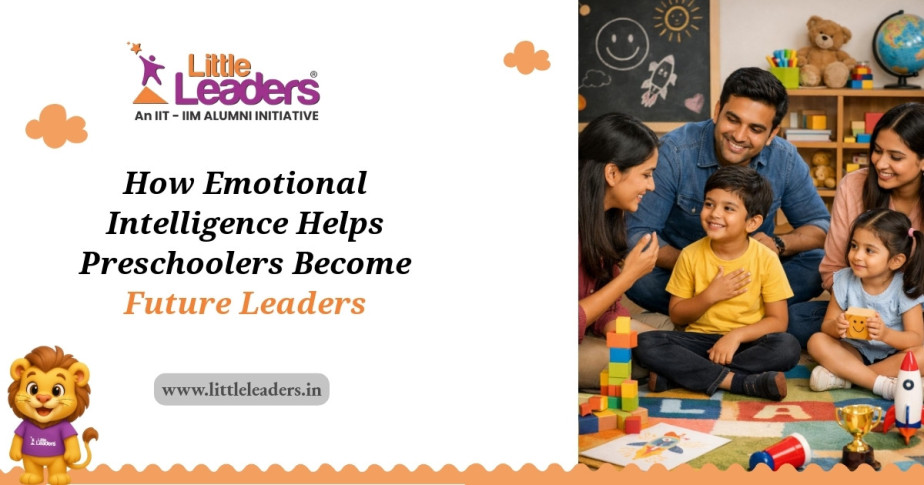
Imagine a bustling preschool classroom where children are not just learning their ABCs, but also navigating the complex world of emotions. This is where the seeds of leadership are planted, as emotional intelligence is nurtured. How emotional intelligence helps preschoolers become future leaders is not just a curiosity but a vital consideration for many parents. In this dynamic environment, children engage in activities that encourage them to express their feelings, understand their peers, and develop crucial social skills.
Parents often find themselves puzzled about how best to prepare their young children for the future. The challenge lies in understanding the role emotions play in leadership and how to foster these skills from an early age. It is essential for parents to recognize that leadership is not merely about authority or decision-making; it is about understanding oneself and others. This understanding lays the groundwork for effective communication, empathy, and resilience.
In this guide, you will discover practical insights and strategies to enhance your childs emotional intelligence, setting the stage for them to thrive as future leaders. We will explore actionable steps, real-life examples, and expert advice that will transform your approach to parenting. By the end of this article, you will feel empowered to nurture your childs emotional growth and leadership potential.
Explore the topics covered in this article:
Emotional intelligence is the ability to understand, manage, and utilize emotions effectively. For preschoolers, emotional intelligence is crucial as it forms the basis for interacting positively with peers and adults. Five-year-old Aanya, for instance, initially struggled to express her frustration when her blocks fell. With guidance, she learned to articulate her feelings and seek help, leading to improved social interactions. Aanyas progress illustrates how early emotional learning can transform a childs ability to navigate challenges.
Experts highlight that children who develop emotional intelligence early are better equipped to handle stress and build lasting relationships. These skills form the foundation of effective leadership, fostering resilience and adaptability. As children learn to identify their emotions, they also become more aware of how their actions affect others, which is a critical aspect of leadership.
Between the ages of two and four, children begin to identify basic emotions such as happiness, sadness, and anger. This stage is crucial as it sets the groundwork for understanding more complex emotions. Parents can support this development by labeling emotions and discussing them openly. For example, when a child experiences joy from playing with a favorite toy, parents can say, It seems you are very happy right now. This simple act reinforces the childs understanding of their feelings.
Consider three-year-old Aarav, who often felt overwhelmed during playtime. By introducing him to emotion-themed storybooks and discussing the feelings of characters, Aaravs parents helped him identify and express his emotions more effectively. This practice not only enhanced Aaravs emotional vocabulary but also improved his social interactions. Through stories, Aarav learned about empathy and how to respond to the feelings of others.
Simple role-playing activities that encourage empathy and perspective-taking can be beneficial at this stage. For instance, parents can use puppets to act out scenarios where one puppet feels sad and another offers comfort. These activities help children understand different viewpoints, an essential skill for future leadership. Parents can also encourage their children to express feelings through drawings or expressive play, fostering a creative outlet for emotional expression.
One common mistake parents make is dismissing or minimizing their childs emotions. When children express sadness or anger, parents may unintentionally say things like, There is no reason to be upset, or Do not cry over spilled milk. These responses can discourage children from expressing their feelings and inhibit their emotional growth. Instead, parents should acknowledge their childs feelings and validate them by saying, I see you are upset. It is okay to feel that way. This approach encourages open communication and helps children understand that their emotions are valid.
Another mistake is not modeling emotional intelligence themselves. Children learn by observing their parents. If parents do not demonstrate healthy emotional management, children may struggle to develop these skills. Parents should strive to model appropriate emotional responses and discuss their feelings openly. For example, if a parent feels frustrated, they can say, I am feeling frustrated right now because I cannot find my keys. This transparency teaches children that it is normal to experience a range of emotions and provides them with tools to manage their own feelings effectively.
Children aged four to six start developing empathy and can understand more complex emotions. This is a critical period for reinforcing emotional intelligence through interactive play and guided discussions. Six-year-old Veer learns better when he can pace around the room, especially during storytelling sessions. His teacher noticed this and incorporated movement-based activities to help him express feelings about the stories. This approach not only catered to Veers learning style but also enhanced his emotional understanding. By allowing children to move while learning, educators can engage them more effectively.
Parents and educators can encourage children in this age group to participate in group activities that require cooperation and emotional regulation. For example, organizing cooperative games that require teamwork can help children learn to communicate effectively and manage their emotions during competition. By doing so, children learn to navigate social dynamics and develop leadership skills. Parents can also host playdates where children practice sharing and taking turns, reinforcing the importance of collaboration.
As children grow, their emotional intelligence develops in stages. At age three, children primarily recognize basic emotions and may struggle to express complex feelings. By age five, they begin to understand empathy and can relate to the emotions of others. At age seven, children typically become more skilled at regulating their emotions and can engage in discussions about feelings. They also start to demonstrate leadership qualities, such as taking initiative in group settings and resolving conflicts among peers.
Parents should observe their childs emotional development and provide age-appropriate support. For example, a three-year-old may need help identifying feelings, while a five-year-old may benefit from discussions about empathy. By age seven, children may be ready for more complex activities that involve teamwork and leadership. Understanding these developmental milestones allows parents to tailor their approach to support their childs emotional growth effectively.
From six to eight years, children become more adept at regulating their emotions and understanding others feelings. This stage is marked by an increased ability to resolve conflicts and empathize with peers. Consider seven-year-old Meera, who struggled with sharing toys. Her parents introduced her to cooperative games that required teamwork and communication. Over time, Meera learned to negotiate and share, improving her social skills and emotional intelligence. These experiences equipped her with the tools to navigate social interactions with confidence.
Activities that encourage problem-solving and group discussions can further enhance emotional intelligence in this age group. For instance, parents can organize family meetings where each member shares their thoughts and feelings on a specific topic. This practice fosters open communication and helps children learn to express their opinions respectfully. Additionally, encouraging children to participate in community service or group projects can instill a sense of responsibility and empathy, preparing them for future leadership roles.
Engaging children in activities that promote emotional intelligence is key to their development. Simple activities such as emotion charades, storytelling, and puppet shows can be effective in teaching children about emotions. For example, during emotion charades, children can act out different feelings while others guess, allowing them to explore various emotional expressions. This activity not only enhances emotional vocabulary but also encourages empathy as children learn to recognize emotions in others.
Parents can also create a feelings chart at home where children can express their emotions daily. This practice not only helps children articulate their feelings but also encourages open communication within the family. Parents can ask questions like, How did you feel today? or What made you happy or sad? This dialogue reinforces emotional awareness and helps children feel understood. Incorporating these activities into daily routines can significantly boost a childs emotional intelligence, setting a foundation for future leadership capabilities.
Both parents and educators play a crucial role in nurturing emotional intelligence. By modeling positive emotional behavior and providing supportive environments, they can significantly influence a childs emotional development. For instance, when parents discuss their feelings openly, it creates a safe space for children to express themselves. Similarly, educators can create classroom settings that promote emotional learning through interactive and inclusive activities. This collaborative approach fosters a sense of community and belonging, which is essential for emotional growth.
Parents are encouraged to discuss emotions openly and provide guidance on managing them. For example, if a child experiences frustration during a challenging task, parents can say, It is okay to feel frustrated. Let us take a break and try again later. This validation helps children understand that emotions are a natural part of life. Similarly, educators can implement programs that focus on social-emotional learning, providing children with the tools they need to navigate their emotions effectively.
While most children develop emotional intelligence naturally, some may struggle more than others. If a child consistently has difficulty identifying or expressing their emotions, or if they frequently exhibit extreme emotional responses, it may be beneficial to seek extra support. Parents should look for signs such as withdrawal from social interactions, difficulty making friends, or persistent emotional outbursts. Consulting with a child psychologist or counselor can provide valuable insights and strategies tailored to the childs needs.
Additionally, if parents feel overwhelmed by their childs emotional challenges, seeking support from professionals can help them develop effective parenting strategies. Workshops and support groups focused on emotional intelligence can also provide parents with resources and tools to assist their childs emotional development. Early intervention can make a significant difference in a childs emotional growth and future leadership potential.
The benefits of emotional intelligence extend far beyond childhood. Individuals with high emotional intelligence are often more successful in their careers and personal lives, as they possess strong interpersonal skills and resilience. Research indicates that emotional intelligence is linked to better academic performance and leadership abilities. By fostering emotional intelligence in preschoolers, parents are preparing them for a future where they can excel and lead with empathy and understanding. This preparation is crucial in a world that increasingly values emotional awareness and collaboration.
Ultimately, emotional intelligence equips children with the tools to navigate lifes challenges, making them well-rounded and effective leaders. As these children grow into adults, they will be more capable of building strong relationships, managing stress, and leading with compassion. The foundation laid in preschool will serve them well throughout their lives, enabling them to make a positive impact on their communities and the world.
For parents interested in furthering their childs emotional intelligence, numerous resources are available. Books, workshops, and online courses can provide valuable insights and strategies. Websites dedicated to parenting and emotional intelligence often feature articles and tips that can guide parents in fostering emotional intelligence in their children. Platforms like LittleLeaders.in offer articles and resources that can guide parents in this journey. Exploring these resources can be an excellent first step in nurturing your childs leadership potential.
Observe your childs interactions with peers and adults. Look for signs of empathy, effective communication, and the ability to manage emotions. Engaging in activities that promote emotional learning can also provide insights into your childs emotional development. For instance, if your child can express their feelings and respond to the emotions of others, it indicates growth in emotional intelligence. Regular discussions about feelings can further enhance this awareness.
Activities such as emotion charades, storytelling, and role-playing can enhance emotional intelligence. Creating a feelings chart at home and discussing emotions regularly can also support your childs emotional growth. Additionally, parents can encourage their children to express themselves through art or music, providing creative outlets for emotional expression. These activities help children recognize and articulate their emotions, fostering a deeper understanding of themselves and others.
Emotional intelligence is crucial for leadership as it involves empathy, communication, and conflict resolution skills. These abilities enable individuals to lead effectively, build strong relationships, and navigate challenges with resilience. Leaders who possess emotional intelligence can inspire and motivate others, creating a positive and collaborative environment. As the workplace evolves, the demand for emotionally intelligent leaders will only increase, making this skill essential for future success.
Signs that a child may need extra support include persistent emotional outbursts, difficulty making friends, or challenges in expressing their feelings. If a child consistently withdraws from social interactions or displays extreme emotional responses, it may be beneficial to seek professional guidance. Consulting with a child psychologist or counselor can provide tailored strategies to support the childs emotional development. Early intervention can significantly impact a childs emotional growth and future success.
Creating a supportive environment for emotional development involves open communication, modeling emotional intelligence, and providing opportunities for emotional expression. Parents should encourage children to share their feelings and validate their emotions. Additionally, incorporating activities that promote emotional learning into daily routines can enhance emotional intelligence. Establishing a home environment where feelings are discussed openly helps children feel safe and understood, fostering their emotional growth.
Imagine a future where your child, now a confident young leader, stands in front of their classmates, passionately sharing ideas during a group project. They listen intently to others, empathize with different perspectives, and inspire their peers with their vision. In this moment, you realize that the seeds of emotional intelligence you nurtured in preschool have blossomed into a strong foundation for leadership. As they navigate challenges with resilience and compassion, you feel proud knowing that you played a vital role in their journey. By fostering emotional intelligence in your child, you have equipped them with the tools to thrive in life and lead with heart.