Loading...
Loading...





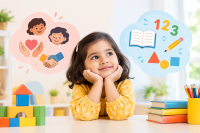
Social Emotional Learning, often abbreviated as SEL, refers to the process through which children learn to understand and manage their emotions, establish positive relationships, and make responsible decisions. This learning process is crucial for preschoolers who are at an age where they are beginning to interact more with their peers and navigate social situations. For instance, four year old Maya was struggling to share her toys during playtime. By introducing her to simple SEL activities, she learned to express her feelings and understand the emotions of others, which made playtime more enjoyable for everyone. Parents can encourage this learning by creating an environment where feelings are openly discussed. Reading books that depict various emotions can be a great start. When children see characters experiencing joy, sadness, or frustration, they can relate and begin to articulate their own feelings.
Social Emotional Learning is essential for preschoolers as it lays the foundation for their future interactions and emotional health. Children who engage in SEL activities are more likely to develop empathy, resilience, and conflict resolution skills. For example, five year old Liam learned to recognize when his friends were upset and would often ask if they wanted to play a game to cheer them up. This ability to empathize not only strengthens friendships, but also fosters a positive classroom environment. Parents can support their children by modeling emotional intelligence in their daily lives. When a parent expresses their feelings appropriately, it teaches children that it is okay to talk about emotions. Creating a safe space for discussions about feelings helps children understand that their emotions are valid.
There are numerous activities that parents can implement at home to enhance Social Emotional Learning. One effective activity is role-playing different social scenarios. For instance, parents can set up a situation where their child must ask a friend to play. This not only helps children practice their communication skills, but also builds their confidence. Three year old Ava enjoyed pretending to invite her stuffed animals to a tea party, which allowed her to practice polite conversation. Another great activity is creating a feelings chart. Parents can draw faces depicting various emotions and ask their child to point out how they feel each day. This visual representation helps children identify and express their emotions more clearly. Additionally, incorporating art can be beneficial. For example, children can draw pictures of what makes them happy or sad, which allows them to express their feelings creatively.
One common mistake parents make is dismissing their childs feelings. It is important to validate emotions, even if they seem trivial to adults. For example, if a child is upset because they cannot find their favorite toy, a parent should acknowledge their feelings instead of saying it is not a big deal. Saying something like, I understand you are sad because your toy is missing, can help the child feel heard. Another mistake is not providing enough opportunities for social interaction. Children need to practice their social skills in real-life situations. Parents can arrange playdates or group activities to encourage this. Additionally, some parents may overlook the importance of modeling emotional regulation. When parents display frustration or anger, children may mimic these behaviors. Instead, parents should demonstrate healthy coping strategies, such as taking deep breaths or discussing their feelings calmly.
As children engage in Social Emotional Learning activities, there are several signs of progress that parents can observe. One indicator is improved communication skills. For instance, a child who previously struggled to express their feelings may begin to use words to describe their emotions. Five year old Noah started to articulate his feelings better after participating in SEL activities, saying things like, I feel sad when my friend does not want to play. Another sign is increased empathy. Children may begin to recognize when their peers are upset and show concern. For example, four year old Sophia noticed when her friend was crying and offered her favorite toy to cheer her up. Additionally, parents may see their child handling conflicts more effectively. Instead of resorting to crying or tantrums, a child may start to negotiate or seek help from an adult when disagreements arise. Observing these signs can help parents understand the positive impact of Social Emotional Learning.
While many children thrive with Social Emotional Learning activities, some may require additional support. Parents should consider seeking help if their child consistently struggles to manage their emotions or frequently exhibits aggressive behavior. For example, if a child regularly throws tantrums over minor issues or has difficulty making friends, it may be beneficial to consult a child psychologist or counselor. Early intervention can provide children with the tools they need to navigate their emotions and social interactions more effectively. Additionally, if a child shows signs of anxiety or withdrawal, it is important to address these issues promptly. Seeking support from professionals can ensure that children receive the guidance they need to thrive socially and emotionally.
What are some effective Social Emotional Learning activities for preschoolers? Effective activities include role-playing, creating feelings charts, and engaging in art projects that allow children to express their emotions. For example, parents can encourage children to draw pictures of their feelings or act out different social scenarios. These activities help children understand and articulate their emotions while developing important social skills.
How can parents support their childs Social Emotional Learning at home? Parents can support their childs Social Emotional Learning by modeling emotional intelligence, validating their feelings, and providing opportunities for social interaction. Discussing emotions openly and creating a safe environment for expression can significantly enhance a childs emotional development.
At what age should children start engaging in Social Emotional Learning? Children can begin engaging in Social Emotional Learning activities as early as three years old. At this age, they start to develop social skills and awareness of their emotions. Parents can introduce simple activities that encourage expression and understanding of feelings, setting a strong foundation for future learning.
How can I tell if my child is making progress in their Social Emotional Learning? Signs of progress include improved communication skills, increased empathy, and better conflict resolution abilities. If a child begins to articulate their feelings, show concern for others, and handle disagreements more effectively, these are positive indicators of growth in Social Emotional Learning.
When should I consider seeking professional help for my child? Parents should consider seeking professional help if their child consistently struggles with emotional regulation, exhibits aggressive behavior, or shows signs of anxiety or withdrawal. Early intervention can provide valuable support and tools for children to navigate their emotions and social interactions successfully.
Imagine a scene where six year old Ethan is playing at the park with his friends. Instead of becoming upset when another child takes his toy, he calmly approaches them and says, I feel sad when I cannot play with that. Can we share it? This moment showcases the success of Social Emotional Learning activities that have equipped Ethan with the skills to express his feelings and communicate effectively. By engaging in SEL activities, parents can help their children build a strong emotional foundation that will serve them throughout their lives. For additional resources and support, parents can visit LittleLeaders.in, where they can find valuable information to further enhance their childs social emotional development.