
Loading...
Loading...

Nullam dignissim, ante scelerisque the is euismod fermentum odio sem semper the is erat, a feugiat leo urna eget eros. Duis Aenean a imperdiet risus.




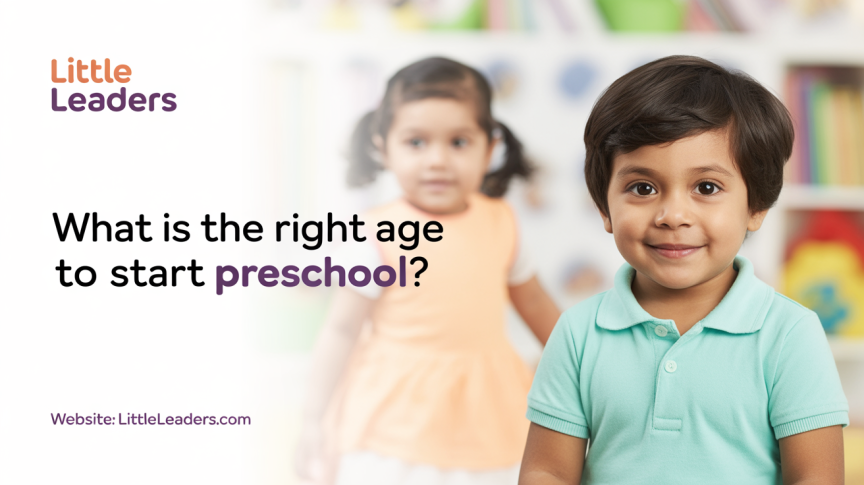
Many parents wonder about the best time to start their childâs preschool journey. You might feel unsure about when your little one is ready to step into a new learning environment. It is completely normal to have questions about what age is ideal for preschool and how it can impact your childâs growth. Rest assured, this is a common concern, and with the right guidance, you can feel confident in making the best choice for your family. The decision to enroll your child in preschool is not just about age; itâs about readiness, both emotionally and socially. Understanding the nuances of this transition can help you make informed decisions that align with your childâs unique needs.
Starting preschool is an exciting milestone that supports your childâs confidence, creativity, and communication skills. Understanding the right age to start preschool helps you prepare your child for a joyful and enriching learning experience that nurtures leadership qualities and holistic development. Itâs essential to recognize that preschool is not merely a preparatory step for kindergarten; itâs a foundational experience that shapes your childâs approach to learning and social interaction for years to come.
You might notice your child has a short attention span or feels shy in new social settings. Many parents feel concerned when their child struggles to express emotions or relies heavily on screens for entertainment. It is completely normal to face challenges such as lack of routine or low confidence during early childhood. These are common experiences that many young children go through as they begin to explore the world around them. For instance, a child may become overwhelmed in large groups or may find it difficult to share toys with peers. Recognizing these challenges allows you to provide the right support and encouragement your child needs to grow emotionally and socially.
One practical tip is to create a consistent daily routine at home. This can help your child feel more secure and understand what to expect throughout the day. Incorporating simple activities like reading together, playing interactive games, or even visiting local parks can enhance their social skills and emotional resilience. Additionally, consider using resources from platforms like LittleLeaders.in, which offer guidance on fostering emotional intelligence in young children.
A structured early learning environment can greatly enhance your childâs development. It improves communication skills, sparks creativity, and encourages problem solving. Play-based learning, guided activities, positive reinforcement, and mentorship help children build social skills and emotional intelligence in a nurturing setting. For example, a preschool that incorporates hands-on activities, such as arts and crafts or science experiments, can ignite a childâs curiosity and love for learning.
This approach fosters confidence and leadership qualities by encouraging children to express themselves and engage with peers in meaningful ways. Programs like Montessori or Reggio Emilia emphasize child-led learning and exploration, allowing children to pursue their interests while developing critical thinking skills. As a parent, you can also support this learning approach by encouraging your child to ask questions and explore new ideas at home.
In preschool, your child will enjoy storytelling sessions that develop language skills and interactive games that promote teamwork. Creative projects inspire self-expression, while confidence-building exercises help children feel proud of their accomplishments. Group interactions teach valuable social skills, and stage exposure activities gently introduce children to speaking and performing in front of others. For instance, participating in a class play or sharing a favorite story can help children overcome shyness and build confidence.
Moreover, preschools often incorporate routines that teach children about responsibility and independence, such as tidying up after activities or taking turns during games. These experiences not only prepare them for future academic settings but also instill a sense of community and collaboration. As a parent, you can reinforce these lessons by encouraging similar behaviors at home, such as sharing responsibilities during family activities.
Consider the story of Riya, who was initially hesitant to join group activities. With patient teachers and a play-based curriculum, she gradually became confident and enthusiastic about sharing her ideas and leading games. Her parents noticed a significant boost in her communication and social skills within months. Riyaâs transformation is a testament to the power of a supportive learning environment that prioritizes emotional and social development.
Another example is Aarav, who struggled with screen dependency and lacked a daily routine. Starting preschool helped him develop a structured day filled with creative projects and interactive play. Aaravâs enthusiasm for learning and emotional expression improved greatly, making his preschool experience joyful and rewarding. His parents actively participated by engaging him in discussions about his day and encouraging him to share his experiences, reinforcing the skills he was learning at preschool.
Most children begin preschool between ages 2 and 4. Readiness depends on your childâs individual development, curiosity, communication skills, and comfort being away from you for short periods. Itâs essential to observe your childâs behavior and readiness indicators, such as their ability to follow simple instructions or express their needs verbally.
It is completely normal for children to feel shy at first. A nurturing preschool environment with caring teachers and play-based learning helps children build confidence and social skills gradually. You can also prepare your child by visiting the preschool together before the start date, allowing them to familiarize themselves with the environment and meet their future teachers.
Yes, preschool lays the foundation for academic skills, emotional intelligence, and social interaction. It prepares children for school routines and fosters a lifelong love of learning. Engaging in activities that promote literacy and numeracy, such as reading together or counting objects during playtime, can further enhance your childâs readiness for school.
Every childâs journey is unique, and the right age to start preschool varies. Explore the programs and resources at LittleLeaders.in to find supportive, creative learning environments that nurture your childâs confidence and creativity. Taking this step will empower your child to grow into a capable and joyful learner ready to embrace new challenges. Additionally, consider reaching out to other parents for their insights and experiences, as community support can be invaluable in navigating this important transition.