
Loading...
Loading...





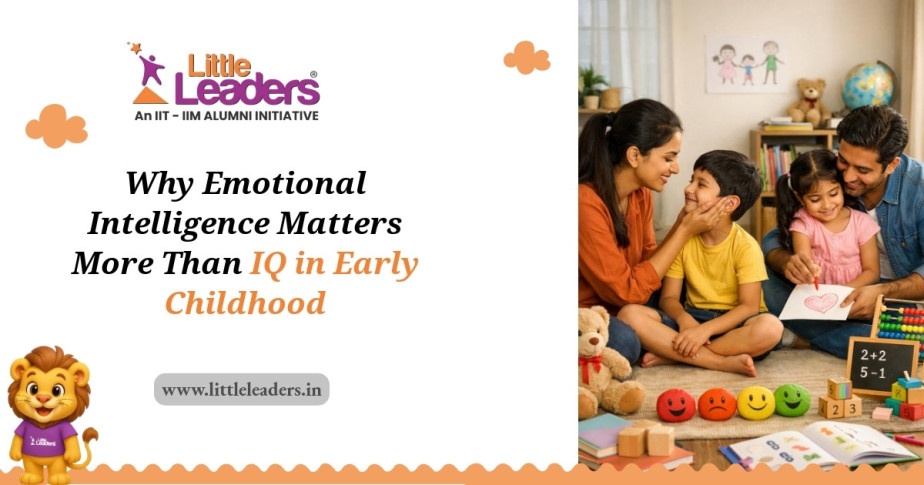
Imagine a bustling morning at home, the bright sunshine peeking through the curtains as you prepare breakfast for your child. Amidst the clatter of dishes and the aroma of fresh dosa, your four-year-old, Aanya, is engrossed in her play. She is not just stacking blocks; she is talking to them, giving them names, and creating stories. This seemingly simple act is more than just play; it is the foundation of emotional intelligence. While many parents focus on traditional IQ, the ability of a child to understand and manage emotions is often what truly sets them apart.
Parents often find themselves wondering why their child struggles with emotions despite being academically bright. It is a common curiosity, especially in a world that still heavily weighs intelligence quotient over emotional intelligence. The frustration of dealing with tantrums or emotional outbursts can make parents question if they are missing something crucial in the development of their child.
By the end of this read, you will understand why emotional intelligence matters more than IQ in early childhood and how it can significantly impact the life of your child. You will learn practical strategies to nurture this vital aspect, ensuring your child grows into a well-rounded individual.
Explore the sections below to understand the importance and strategies to enhance emotional intelligence in children.
Emotional intelligence is the ability to recognize, understand, and manage one s own emotions and the emotions of others. This skill is crucial in developing empathy, building relationships, and navigating social complexities. Unlike IQ, which measures cognitive abilities such as logic and analytical skills, emotional intelligence encompasses self-awareness, self-regulation, motivation, empathy, and social skills. Studies have shown that children with high emotional intelligence are better equipped to handle stress, communicate effectively, and resolve conflicts.
Consider the story of seven-year-old Maya. She noticed her friend Sam was upset during recess. Instead of ignoring him, she approached him gently and asked if he wanted to talk. This simple act of empathy not only helped Sam feel better but also strengthened their friendship. One might ask, why focus on emotional intelligence when IQ has long been deemed the standard of intelligence? The answer lies in the holistic development of a child. While IQ can open doors to academic opportunities, emotional intelligence enables children to thrive in social environments, making it equally, if not more, important.
In early childhood, the brain undergoes rapid development, making it the ideal time to foster emotional intelligence. During this period, children learn to express their feelings, understand the emotions of others, and develop coping mechanisms. These skills are essential for forming healthy relationships and building a strong foundation for future learning.
Consider the case of five-year-old Veer, who struggled with expressing his emotions. His parents noticed that he would often withdraw when upset, leading to misunderstandings with peers. By incorporating emotional intelligence activities, such as role-playing and emotion-themed stories, Veer gradually learned to articulate his feelings and empathize with others, resulting in improved social interactions. It is crucial for parents to recognize that this developmental phase is not just about academic learning, but also about emotional growth.
While IQ tests measure cognitive abilities, they do not account for the emotional and social aspects of intelligence. Emotional intelligence, on the other hand, equips children with the skills to manage emotions, build relationships, and navigate social dynamics effectively. This ability to connect and empathize with others often leads to greater success in personal and professional life.
Research has highlighted that individuals with high emotional intelligence tend to excel in leadership roles, as they can inspire and motivate others, manage conflict, and build strong teams. For children, developing these skills early on can lead to better academic performance, enhanced problem-solving abilities, and a more positive outlook on life. Imagine eight-year-old Ravi, who struggled with group projects in school. Once he began to understand the emotions of his classmates, he learned to collaborate effectively, leading to improved grades and friendships.
One of the most common mistakes parents make is equating emotional expression with weakness. Many parents might inadvertently discourage their children from expressing their feelings, believing that it is a sign of vulnerability. Instead, it is essential to create a safe space where children feel comfortable sharing their emotions without fear of judgment. For instance, when a child expresses sadness, instead of saying do not cry, parents can validate their feelings by saying it is okay to feel sad sometimes. This validation reinforces the importance of emotional expression.
Another mistake is failing to model emotional intelligence themselves. Children learn by observing their parents. If a parent struggles to manage their own emotions, it can be challenging for the child to learn these skills. Parents can practice emotional regulation techniques, such as deep breathing or taking a moment to reflect before reacting, demonstrating healthy emotional management to their children.
At the age of three, children start to express simple emotions and can identify feelings like happiness and sadness. They may not yet understand complex emotions, but they can mimic emotional responses they observe in adults. By age five, children begin to understand their own feelings and those of others. They can articulate basic emotions and may show empathy toward peers. By age seven, children typically develop a deeper understanding of emotions, including mixed feelings, and can engage in more complex social interactions. They start to navigate friendships and conflicts, making it crucial for parents to support their emotional growth during these formative years.
Parents should also be aware that each child develops at their own pace. Some children may show advanced emotional skills early on, while others may require additional support. Regularly engaging in discussions about feelings and providing opportunities for emotional expression can help children progress through these developmental stages.
Fostering emotional intelligence in children requires intentional effort and practice. Here are a few strategies to help your child develop this crucial skill:
By integrating these strategies into daily routines, parents can create an environment that nurtures emotional intelligence and supports the overall development of their child. For example, during family meals, ask each member to share one feeling they experienced that day, fostering open discussions about emotions.
As your child develops emotional intelligence, you may notice several positive changes. Look for improvements in their ability to express emotions verbally rather than through tantrums or withdrawal. Children may begin to show increased empathy towards friends and family, recognizing when others are upset and offering comfort. Additionally, you may observe that your child is better equipped to handle conflicts, using words to express their feelings instead of resorting to physical actions.
For instance, if your six-year-old, Tara, comes home and tells you about a disagreement with a friend, listen for how she describes the situation. If she expresses understanding of her friends feelings, it is a strong indicator of her emotional growth. Monitoring these signs can help parents gauge their childs emotional development and adjust their support accordingly.
Emotional intelligence manifests in various ways in the lives of children. Take, for instance, six-year-old Riya, who was initially shy and struggled to make friends. Her parents encouraged her to join a drama club, where she learned to express herself and understand the emotions of her peers. Over time, Riya became more confident and developed strong friendships, showcasing the impact of enhanced emotional intelligence. Parents can encourage similar activities, such as art classes or group sports, to help children build emotional skills through social interaction.
Another example is eight-year-old Arjun, who was prone to emotional outbursts during competitive sports. Through guided breathing exercises and discussions about sportsmanship, Arjun learned to manage his emotions, leading to improved performance and enjoyment of the game. These examples highlight the transformative power of emotional intelligence in real-life scenarios, reinforcing the importance of nurturing these skills from an early age.
While many children develop emotional intelligence naturally, some may require additional support. If a child consistently struggles to express emotions or manage reactions, it might be beneficial to seek guidance from a professional, such as a child psychologist or counselor. Signs that a child may need extra support include frequent tantrums, difficulty making friends, or persistent feelings of sadness or anxiety.
Parents should not hesitate to reach out for help if they feel overwhelmed or unsure about how to support their child. Early intervention can make a significant difference in a childs emotional development, providing them with the tools they need to navigate their feelings and relationships effectively.
The long-term benefits of emotional intelligence are profound and far-reaching. Children who develop strong emotional intelligence skills are more likely to experience academic success, form meaningful relationships, and maintain mental well-being. These skills also contribute to resilience, enabling individuals to navigate lifes challenges with confidence and grace.
As adults, individuals with high emotional intelligence are often seen as compassionate leaders, effective communicators, and empathetic colleagues. By prioritizing emotional intelligence in early childhood, parents can set their children on a path to success, happiness, and fulfillment. Imagine the possibilities for your child: a future where they can confidently express their emotions, build strong relationships, and thrive in any environment. As a parent, you have the power to shape this future by emphasizing the importance of emotional intelligence in early childhood.
Children with high emotional intelligence often display empathy, effective communication skills, and an ability to manage their emotions. They are generally able to understand the feelings of others and respond appropriately. For example, if your child comforts a friend who is sad, it indicates a level of emotional awareness and empathy.
Activities such as role-playing, reading emotion-themed books, and engaging in discussions about feelings can enhance emotional intelligence. Encouraging your child to express their emotions and consider the perspectives of others is also beneficial. For instance, after watching a movie, discuss the characters emotions and how they relate to real-life situations.
Emotional intelligence can be developed through practice and guidance. While some children may naturally exhibit higher levels of emotional intelligence, all children can benefit from learning and practicing these skills. Parents play a crucial role in modeling emotional awareness and providing opportunities for emotional expression.
If your child frequently struggles to express emotions, has intense emotional reactions, or has difficulty making friends, it may be time to seek additional support. Signs such as persistent sadness, anxiety, or withdrawal from social interactions can indicate a need for professional guidance. Early intervention can help children develop the necessary skills to manage their emotions effectively.
Creating a supportive environment involves encouraging open discussions about feelings and validating your childs emotions. Set aside time each day to talk about emotions, share experiences, and practice emotional regulation techniques together. By fostering a safe space for emotional expression, you can help your child develop strong emotional intelligence skills that will benefit them throughout their life.