
Loading...
Loading...





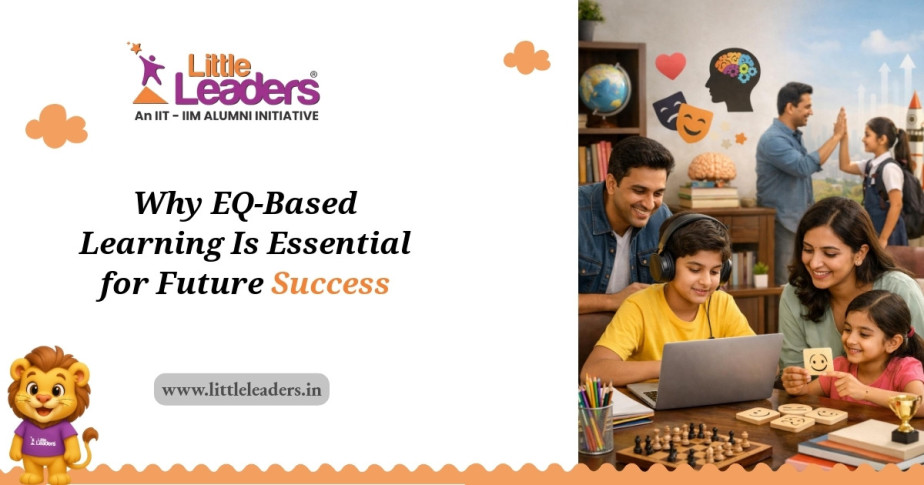
Every morning, as the sun peeks through the curtains, parents across the globe face the daily whirlwind of preparing their children for school. Amidst the hustle, a crucial question often arises: How can we best equip our children for the future? The answer lies not just in academic achievements but in nurturing emotional intelligence, also known as EQ. Understanding why EQ-based learning is essential for future success can transform the way we approach education.
Parents often find themselves wondering how to prepare their children for a world that is constantly evolving. The traditional focus on IQ and grades is being challenged by the growing recognition of EQ as a vital component of a childs development. Emotional intelligence encompasses the ability to understand and manage emotions, fostering empathy and effective communication. This shift in focus raises an essential question: How can EQ-based learning shape the future success of children?
In this article, we will explore the profound impact of EQ-based learning on children, providing insights and actionable steps for parents to incorporate these principles into their daily lives. From real-life stories to practical tips, you will discover how to foster emotional intelligence in your child, ensuring they are well-equipped for the challenges and opportunities that lie ahead.
Explore the following sections to understand why EQ-based learning is essential for future success:
Emotional intelligence or EQ is often misunderstood as a mere ability to control emotions. In reality, it encompasses a broader spectrum of skills including self-awareness, self-regulation, motivation, empathy, and social skills. These skills form the foundation of EQ-based learning, which emphasizes understanding and managing ones emotions and those of others.
Aanya, a five-year-old, illustrates how EQ can be nurtured early. Last Tuesday, she refused her math worksheet until her father engaged her with a story that resonated with her feelings. This simple act of understanding and empathy helped her overcome her frustration and approach the task with renewed interest. Such instances highlight the importance of recognizing and validating emotions as part of the learning process. Parents can create a nurturing environment by simply asking their children how they feel about their day or their tasks. This not only builds emotional vocabulary but also reinforces the importance of their feelings.
Practical takeaway: Encourage open discussions about emotions with your child. Create a safe space where they can express themselves freely. Use storytelling and role-playing to help them understand and manage their emotions effectively.
A common mistake that parents make is dismissing their childs emotions as trivial or unimportant. When a child expresses anger or sadness, it can be tempting to tell them to simply get over it or to distract them with a toy or a snack. However, this approach can invalidate their feelings and hinder their emotional growth. Instead, parents should acknowledge their childs emotions and help them process what they are feeling. For example, if a child is upset about losing a game, a parent could say, I understand you feel sad about not winning. It is okay to feel that way. How about we talk about what we can learn from this experience?
Another frequent mistake is not modeling emotional intelligence themselves. Children learn by observing their parents. If parents do not demonstrate how to handle emotions effectively, their children may struggle to do so as well. By practicing emotional regulation and open communication, parents can provide a powerful example for their children.
Practical takeaway: Validate your childs emotions and model emotional intelligence in your daily interactions. This will create a supportive environment for their emotional growth.
Understanding the developmental stages of emotional intelligence can help parents tailor their approach to EQ-based learning. At the age of three, children begin to recognize basic emotions in themselves and others. They may express feelings like happiness and anger but may struggle to articulate them. Parents can help by labeling emotions during daily interactions, such as saying, You look happy because you are playing with your friends.
By age five, children start to develop empathy and can understand that others may have different feelings. This is a great time to introduce concepts like sharing and taking turns. Parents can facilitate this by encouraging group play and discussing how others might feel in various situations.
At age seven, children can engage in more complex emotional discussions and are better at managing their emotions. They can understand the consequences of their actions on others. Parents can introduce problem-solving activities that require emotional regulation, such as role-playing scenarios where children must navigate conflicts.
Practical takeaway: Tailor your EQ-based learning activities according to your childs age. Use age-appropriate discussions and activities to nurture their emotional intelligence.
While IQ has long been considered the gold standard of intelligence, recent research underscores the importance of EQ in predicting success. Unlike IQ, which remains relatively stable throughout life, EQ can be developed and enhanced over time. This adaptability makes EQ-based learning a valuable tool for lifelong success.
Seven-year-old Veer provides a compelling example. He struggles with traditional classroom settings but thrives in environments that allow him to move and interact with peers. By incorporating EQ-based strategies, such as collaborative projects and peer learning, his teachers have tapped into his potential, fostering both academic and emotional growth. This illustrates that a focus on EQ can help children excel in areas where traditional learning methods may fall short.
Practical takeaway: Balance academic pursuits with activities that promote emotional and social skills. Encourage group activities and collaborative learning to enhance your childs EQ alongside their IQ.
EQ-based learning extends beyond the classroom, influencing various aspects of a childs life. Children with high EQ are better equipped to handle social interactions, resolve conflicts, and build strong relationships. These skills are crucial not only in personal life but also in professional settings.
Consider the scenario of a playground disagreement. Children with strong EQ can navigate such situations with empathy and understanding, leading to peaceful resolutions. For instance, if two children are arguing over a toy, a child with high EQ may suggest taking turns or finding a way to share it, thus promoting harmony. By teaching children to recognize and manage their emotions, we prepare them for real-world challenges.
Practical takeaway: Encourage your child to engage in group play and community activities. Use these opportunities to teach conflict resolution and empathy, reinforcing the importance of emotional intelligence.
Emotional intelligence develops differently at various stages of childhood. Understanding these differences can help parents tailor their approach to EQ-based learning, ensuring that their childs emotional needs are met at each stage.
For toddlers aged two to four, focus on identifying and naming emotions. Simple games and stories can help them recognize feelings like happiness, sadness, and anger. For example, reading a story where a character feels sad can prompt a discussion about emotions. As children grow, from four to six years, encourage them to express emotions through art and play. Drawing pictures of how they feel can be a creative outlet. At six to eight years, introduce problem-solving and decision-making activities to enhance their understanding of emotions, such as discussing how they would handle a specific situation.
Practical takeaway: Adapt your approach to EQ-based learning as your child grows. Use age-appropriate activities to nurture emotional intelligence, ensuring a well-rounded development.
Parents play a pivotal role in fostering emotional intelligence. By modeling emotionally intelligent behaviors, parents can set a powerful example for their children. This involves active listening, empathy, and open communication. For instance, if a parent notices their child is upset after a playdate, they can sit down and ask open-ended questions about the experience, allowing the child to express their feelings.
An example from a parent named Meera shows the impact of this approach. She regularly practices active listening with her eight-year-old son, encouraging him to share his thoughts and feelings without judgment. This practice has strengthened their bond and enhanced her sons emotional intelligence. By showing her son that his feelings are valid, she has created a safe space for him to express himself.
Practical takeaway: Be a role model for emotional intelligence. Practice active listening and empathy in your daily interactions, guiding your child in their EQ development journey.
As children develop emotional intelligence, there are several signs of progress to watch for. One sign is their ability to express emotions verbally. If a child begins to articulate their feelings, saying things like I feel sad when my friend does not play with me, it indicates they are starting to understand and communicate their emotions effectively.
Another sign is improved conflict resolution skills. If a child can navigate disagreements with peers without resorting to anger or frustration, it shows they are applying the skills they have learned. Additionally, look for signs of empathy, such as a child comforting a friend who is upset or sharing their toys willingly. These behaviors indicate growth in emotional intelligence.
Practical takeaway: Pay attention to your childs emotional expressions and interactions with others. Celebrate their progress and provide encouragement to reinforce positive behaviors.
Imagine a future where your child navigates the complexities of life with confidence, empathy, and resilience. This vision is attainable through EQ-based learning, which equips children with the skills needed for success in personal and professional realms. Picture your child as a teenager, confidently addressing a group of peers, sharing their ideas, and listening to others with respect. They can manage stress and adapt to change, demonstrating the emotional resilience that comes from a strong foundation in emotional intelligence.
By investing in emotional intelligence, parents can ensure their children are prepared for the challenges of tomorrow. EQ-based learning fosters adaptability, creativity, and collaboration, essential traits for thriving in an ever-changing world. Your child will not only excel academically but will also build meaningful relationships, navigate social situations with ease, and lead with empathy.
Practical takeaway: Embrace EQ-based learning as a cornerstone of your childs education. Encourage continuous growth and learning, preparing them for a successful and fulfilling future.
In conclusion, EQ-based learning is not just a trend but a necessity for future success. By understanding and nurturing emotional intelligence, parents can empower their children to thrive in all aspects of life. For more insights and resources on EQ-based learning, visit LittleLeaders.in.
Start by discussing emotions openly. Use stories and real-life examples to illustrate emotional concepts. Encourage your child to express their feelings and validate them. Engage in activities that promote empathy, such as volunteering or helping others. This will reinforce the importance of understanding emotions in themselves and in others.
EQ-based learning enhances communication, empathy, and problem-solving skills. It prepares children for personal and professional success by fostering emotional resilience. Children with high EQ are better equipped to handle stress, build strong relationships, and navigate social complexities. These skills are invaluable in todays interconnected world, where collaboration and understanding are crucial.
Engage in activities that promote empathy and understanding, such as role-playing and collaborative games. Model emotionally intelligent behavior and encourage open communication. Use family discussions to explore feelings and emotions, helping children learn to articulate their thoughts. Create an emotionally safe environment where children feel free to express themselves without judgment.
If your child struggles with emotional expression, consider seeking support from a child psychologist or counselor who specializes in emotional development. They can provide strategies tailored to your childs needs. Additionally, create a nurturing environment at home where feelings are discussed openly. Encourage journaling or creative expression through art to help them articulate their emotions in a comfortable way.
Even in a busy lifestyle, you can support your childs emotional intelligence development by integrating emotional discussions into daily routines. Use car rides or meal times as opportunities to talk about feelings. Encourage your child to share their day, focusing on their emotional experiences. Prioritize family time where emotional connection can flourish, even if it is just a few minutes each day.