
Loading...
Loading...

Nullam dignissim, ante scelerisque the is euismod fermentum odio sem semper the is erat, a feugiat leo urna eget eros. Duis Aenean a imperdiet risus.




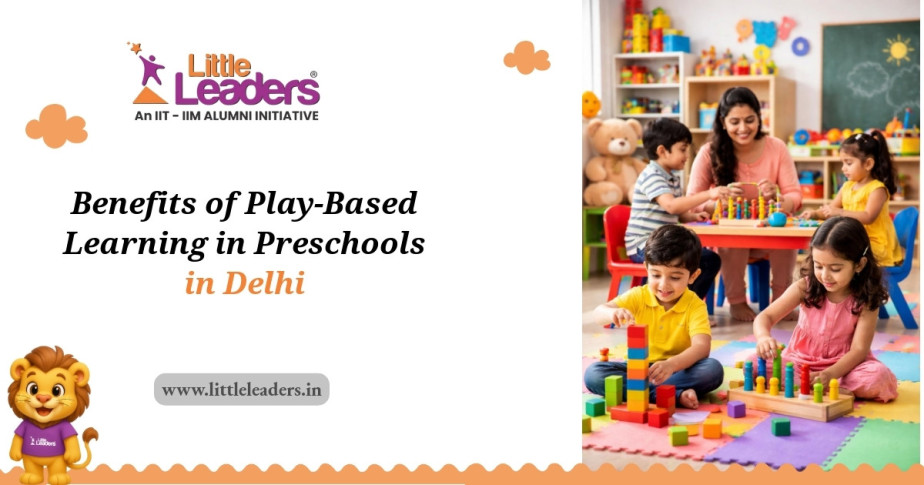
Many parents in Delhi believe that preschool education should focus mainly on academicsâcounting, alphabets, and structured lessons. But this common assumption overlooks a powerful approach thatâs quietly transforming early childhood education across the city: play-based learning. Instead of drilling facts, play-based learning lets children explore, imagine, and discover through hands-on activities that feel like fun, not work. This approach is not just a trend; it represents a fundamental shift in how we understand early childhood education.
Take Aarav, a lively four-year-old at a Delhi preschool who lights up when building with blocks or sorting colorful beads. His teachers have noticed that these playful moments spark his curiosity and help him grasp concepts like shapes and patterns far better than traditional worksheets ever could. This article will show you why the benefits of play-based learning in preschools in Delhi go beyond just playtimeâthey lay the foundation for confident, creative learners who are well-prepared for the challenges of the future.
Play-based learning is an educational approach where children learn through activities that engage their natural curiosity and creativity. Instead of sitting still and memorizing, kids interact with materials, peers, and their environment. This method taps into how young brains develop bestâthrough active exploration and social interaction. In Delhiâs bustling preschools, this means classrooms filled with sensory tables, art corners, and open spaces where children like Aarav can experiment freely. The benefits of play-based learning in preschools in Delhi include improved problem-solving skills, language development, and emotional resilience. Itâs not just about having fun; itâs about building essential skills in a joyful, stress-free way.
For instance, consider the use of blocks in play-based learning. When children build structures, they are not just playing; they are engaging in spatial reasoning, understanding balance, and even practicing math concepts like counting and measuring. This hands-on experience is far more effective than rote memorization of numbers and shapes.
One of the biggest advantages of play-based learning is how it nurtures social skills. When children play together, they learn to share, negotiate, and empathize. For example, Meera, a shy three-year-old, gradually found her voice while playing pretend shop with classmates. These interactions teach children how to manage emotions and build friendshipsâskills that are crucial for school and life. Moreover, through role-playing games, children learn to understand different perspectives, which is vital for emotional intelligence.
Preschools in Delhi that embrace play-based learning create safe spaces where children feel valued and understood. This emotional security encourages risk-taking and creativity, helping kids develop confidence and a positive attitude toward learning. Schools like Little Leaders focus on creating an inclusive environment where every child feels empowered to express themselves, fostering a sense of belonging.
Play isnât just about social skills; itâs a powerful engine for cognitive growth. Activities like puzzles, building blocks, and storytelling stimulate brain areas responsible for memory, attention, and reasoning. In Delhiâs play-based preschools, teachers observe how children like Aarav connect cause and effect or recognize patterns naturally during play. For instance, when children engage in a simple game of sorting colored beads, they are developing critical thinking skills as they categorize and make decisions based on attributes.
These experiences lay the groundwork for later academic success without the pressure of formal testing. The benefits of play-based learning in preschools in Delhi include fostering curiosity and a love for discovery that lasts well beyond the preschool years. Schools that incorporate tools like LEGO Education kits or sensory play materials provide children with diverse ways to explore concepts, making learning dynamic and engaging.
Supporting play-based learning doesnât stop when your child leaves preschool. You can extend these benefits by creating playful learning moments at home. Simple activities like cooking together, nature walks, or building forts encourage exploration and language skills. For example, cooking can be a fantastic opportunity to teach measurements and following instructions, while nature walks can spark discussions about different plants and animals.
For instance, Aaravâs mother noticed how his storytelling blossomed after they started making up stories during bedtime. These moments reinforce what children experience in preschool and deepen their understanding in a relaxed setting. Additionally, parents can create a dedicated play area at home filled with educational toys, art supplies, and books that encourage creativity and exploration.
Not all preschools are the same, especially when it comes to play-based learning. Look for schools that prioritize child-led activities, have well-trained teachers, and provide a rich variety of materials. Visiting classrooms during activity time can give you a sense of how engaged and happy the children are. Schools like Little Leaders are known for their commitment to play-based education, offering a curriculum that emphasizes exploration and creativity.
Delhi offers many options, from Montessori-inspired centers to progressive play schools. The benefits of play-based learning in preschools in Delhi become most visible when children are encouraged to explore at their own pace in a supportive environment. When choosing a preschool, consider asking about their approach to play-based learning and how they integrate it into their daily schedule.
To maximize the benefits of play-based learning, stay involved and observe what excites your child. Ask open-ended questions about their play, celebrate their discoveries, and avoid rushing to correct mistakes. This approach builds your childâs confidence and reinforces that learning is a joyful process. For example, if your child builds a tower with blocks, instead of pointing out itâs not stable, you might ask, What do you think will happen if we add more blocks?
Remember, the goal is not perfect answers but curiosity and resilience. By partnering with your childâs preschool and embracing play at home, youâre setting the stage for lifelong learning. Encourage your child to express their thoughts and feelings about their play experiences, which can further enhance their emotional and cognitive development.
Play-based learning encourages children to communicate, tell stories, and interact with peers, which naturally enhances vocabulary and conversational skills in a fun, pressure-free setting. Activities like puppet shows or storytelling circles can significantly boost language development.
Yes, play-based learning is flexible and adapts to various learning styles by allowing children to explore concepts through hands-on activities that match their interests and strengths. This inclusivity ensures that every child can thrive in a play-based environment.
Look for schools with trained teachers, child-centered classrooms, diverse materials, and a focus on social and emotional development alongside cognitive skills. Schools that offer a variety of play-based activities, such as art, music, and outdoor play, are particularly beneficial.