
Loading...
Loading...





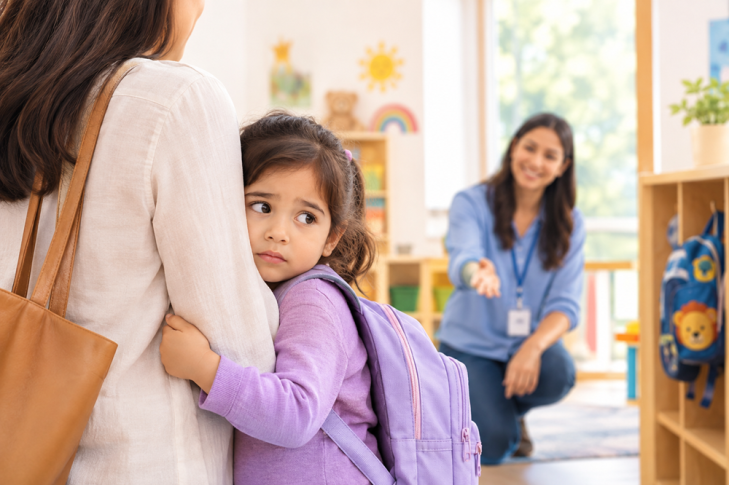
Dropping your child off at preschool can bring tears, clinging hands, and a knot in your own stomach too. This is called separation anxiety, and almost every preschooler goes through it. The good news is that it is normal, temporary, and manageable with the right approach. This blog explains why it happens and how parents, along with a supportive school like Little Leaders, can help children feel safe and settled.
Separation anxiety is the distress a child feels when they are away from their parent or primary caregiver. It usually shows up as crying, clinging, or refusing to enter the classroom at drop-off time. This is a normal stage of emotional development and most children experience it between the ages of one and four. It typically fades once a child builds trust in their new environment and routine.
Separation anxiety happens because young children have not yet developed a full sense of object permanence and emotional security. They may not understand that a parent leaving does not mean the parent is gone forever. Add a new environment, new faces, and a break from familiar comfort, and anxiety naturally follows. It is a sign of a strong parent-child bond, not a parenting mistake.
Yes, a child can sense a parent's hesitation, worry, or tension during drop-off, and it can increase their own distress. Children read facial expressions, tone of voice, and body posture long before they understand full sentences. If a parent lingers, looks anxious, or keeps checking back, the child picks up on that uncertainty. A calm, confident goodbye signals to the child that the new environment is safe.
Normal separation anxiety usually settles within a few minutes after the parent leaves, and the child engages with activities soon after. Persistent distress, on the other hand, continues for a long stretch of the day, happens every single day for weeks, or comes with physical symptoms like stomach aches or sleep trouble. If crying does not ease at all during the day, or if it worsens over time instead of improving, it may need closer attention. Most preschoolers fall into the first category and adjust within one to two weeks.
Parents can prepare children by talking about school in a positive, simple way before the first day actually arrives. Reading picture books about starting school, visiting the campus beforehand, and letting the child meet their teacher can reduce first-day fear. At Little Leaders, orientation sessions and campus walk-through are designed to give children a preview of their new space. Familiarity, even a small amount, lowers anxiety significantly.
Predictable routines help because they give children a sense of control and reduce the fear of the unknown. When a child knows what happens after breakfast, what happens at drop-off, and what happens when the school day ends, the unfamiliar becomes familiar. Waking up, getting ready, and arriving at school at the same time each day builds this sense of predictability. Little Leaders classrooms also follow a consistent daily structure, so children quickly learn what to expect once they enter.
A good goodbye ritual is short, consistent, and repeated the same way every single day. It could be a special handshake, a wave from the door, or a short phrase like "See you after lunch." Repetition builds trust because the child learns the ritual always ends with the parent coming back. Consistency matters more than the specific ritual chosen.
Parents should avoid prolonged goodbyes because longer goodbyes tend to increase a child's anxiety instead of easing it. Multiple hugs, repeated reassurances, and coming back into the room after saying goodbye can confuse the child about whether the parent is actually leaving. A brief, warm, and confident goodbye followed by a prompt exit helps the child move on faster. Teachers often find that children settle within minutes once the parent has left the room.
At Little Leaders, trained teachers step in during the first 15 minutes of drop-off with a soothing welcome activity designed to shift a child's focus. This could be a favourite song, a sensory toy, or a simple hands-on task that draws the child's attention away from the goodbye moment. Teachers are trained to read each child's comfort level and respond with patience rather than pressure. This structured first-15-minutes approach is part of how Little Leaders builds a gentle, predictable start to every school day.
Beyond drop-off support, Little Leaders' curriculum is built around emotional development alongside academic learning, so children build confidence gradually rather than being rushed into independence. Parents exploring admission can also request a campus visit before enrolling, which helps both parent and child feel more prepared. While Little Leaders is known for its franchise network across India, its preschool campuses welcome direct parent enquiries and admissions at the centre level too.
Parents should seek additional guidance if a child's distress does not improve after two to three weeks of consistent routine. Warning signs include ongoing sleep disruption, loss of appetite, or the child avoiding school-related conversations altogether. A paediatrician or child psychologist can help rule out other causes and suggest tailored strategies. Preschool teachers, including those at Little Leaders, can also share day-to-day behaviour patterns that help parents decide the right next step.
Peace of mind begins when parents know their child is understood, supported, and cared for. Little Leaders combines structured routines, trained teachers, and a warm first-15-minutes welcome to make that peace of mind possible for every family, right from the very first drop-off.
1. What safety measures should parents check before enrolling their child in a preschool?
Parents should check CCTV coverage, secure entry and exit points, childproofed classrooms, and clear visitor verification before enrolling their child.
2. How can parents find out if preschool staff are properly trained and background-verified?
Parents can ask the school directly for staff qualification proof and background verification policies during campus visits or the admission process.
3. What hygiene and emergency procedures should a preschool have in place?
A preschool should maintain regular sanitisation, keep first-aid trained staff on site, and have a clear evacuation plan.
4. How can teachers create a safe and supportive environment for young children?
Teachers build safety through patience, consistent routines, calm responses to emotions, and genuine attention to each child's individual comfort and needs.
5. Why is the teacher-to-child ratio important for a child's safety and individual attention?
A lower teacher-to-child ratio means faster response during distress, closer supervision, and more individual attention for every single child daily.
6. What kind of daily updates should parents expect from a preschool?
Parents should expect updates on meals, naps, activities, and mood, shared through a diary, app, or a short conversation at pickup.
7. How should a preschool communicate a child's development and progress to parents?
Progress should be shared through regular parent-teacher meetings, milestone reports, and honest informal updates, keeping parents informed rather than surprised later.
8. How can parents and teachers work together to support a child's safety, wellbeing, and development?
Parents and teachers should communicate openly, share concerns early, and keep routines consistent between home and school to support the child.