
Loading...
Loading...





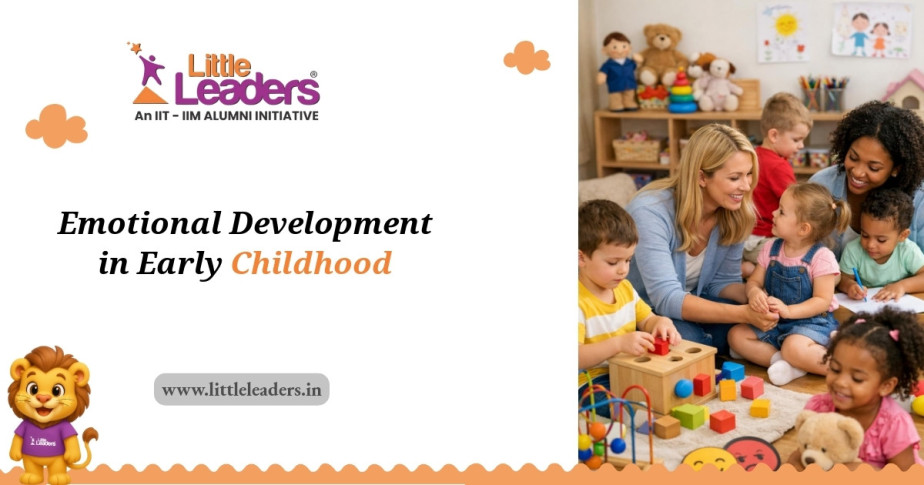
Imagine a world where the emotional development of your child is as important as their academic achievements. Emotional development in early childhood is crucial for building the foundation of a well-rounded individual. It is not just about understanding feelings, but also about learning how to express them appropriately. In a society that often emphasizes grades and test scores, it is vital to recognize that emotional intelligence plays a significant role in a childs overall success and well-being.
Parents often find themselves puzzled by the emotional outbursts and mood swings of their young children. The curiosity about how to nurture emotional intelligence in early childhood is a concern for many. How can you ensure that your child grows up with the ability to manage emotions effectively? This question is common among parents who wish to raise emotionally intelligent children. Understanding the nuances of emotional development can provide clarity and direction.
In this article, you will discover practical insights and actionable steps to foster emotional development in your child. From understanding the stages of emotional growth to implementing strategies that work, you will walk away with the tools needed to support your childs emotional journey. The emotional landscape of childhood is rich and complex, and with the right guidance, parents can help navigate this journey.
Here is what you will explore:
Emotional development in early childhood involves several key milestones. These milestones help parents gauge their childs progress. Infants start to show basic emotions like joy and anger. By the age of two, toddlers begin to express more complex emotions like jealousy and empathy. Understanding these milestones allows parents to provide the right support at each stage. For example, two-year-old Aanya exhibits jealousy when her younger sibling receives attention. This is a normal part of her emotional development. Her parents use this opportunity to teach her about sharing and empathy, thus fostering her emotional growth. When parents notice these milestones, they can better respond to their childs needs.
As children approach the age of three, they begin to develop a stronger sense of self. They may express pride in their accomplishments, such as drawing a picture or stacking blocks. This is a critical time for parents to encourage self-expression and validate their childs feelings. Three-year-old Ravi, for instance, proudly shows his mother a drawing he made of their family. His mother responds with enthusiasm, reinforcing his self-esteem and encouraging him to express his emotions through art. Recognizing these milestones not only enhances a childs self-worth but also strengthens the parent-child bond.
Play is a powerful tool for emotional development in early childhood. Through play, children explore emotions and learn social skills. Whether it is playing house with peers or engaging in solo imaginative play, these activities offer children a safe space to express themselves. For example, consider five-year-old Veer who enjoys building blocks alone. Through this solitary play, he learns patience and problem-solving, which are essential components of emotional intelligence. His parents encourage this playtime, understanding its role in his emotional development. Playtime can also serve as a platform for children to practice emotional regulation.
During group play, children often encounter various social dynamics. For instance, during a playdate, six-year-old Maya may feel left out when her friends choose to play a different game. This moment can be an opportunity for her parents to teach her about expressing feelings of exclusion and seeking inclusion. Parents can model how to communicate these feelings effectively, which can help Maya navigate similar situations in the future. By facilitating play experiences, parents can help children develop essential emotional skills that will benefit them throughout their lives.
The role of a parent in a childs emotional development cannot be overstated. Parents act as the primary role models for emotional behavior. Children learn by observing how their parents manage emotions. Demonstrating healthy emotional responses and communication sets a positive example for children to follow. For instance, when parents discuss emotions openly, children feel safe to express their own feelings. This open dialogue helps children develop emotional vocabulary and improve their emotional intelligence. Parents can also share their own experiences and challenges, which normalizes the process of dealing with emotions.
Consider a scenario where seven-year-old Anya experiences disappointment after losing a game. Her parents can take this moment to discuss their own feelings of disappointment in a relatable way. By explaining how they cope with similar feelings, they provide Anya with tools to manage her own emotions. This approach not only fosters resilience but also strengthens the parent-child relationship. Parents should strive to create an environment where emotional expression is welcomed and encouraged, allowing children to feel comfortable discussing their feelings.
Emotional needs vary with age, and understanding these needs is crucial for supporting emotional development in early childhood. From ages two to four, children require validation and reassurance. At this stage, they are learning to identify and express their emotions. Parents can help by acknowledging their childs feelings, such as when a child expresses frustration over a broken toy. Validating these feelings can help children feel understood and supported.
As children grow into the ages of four to six, they begin to develop friendships and require guidance in managing social interactions. During this time, children may experience feelings of loneliness or exclusion. Parents can facilitate playdates and encourage group activities to help children develop social skills. By the time they reach six to eight years, they are more aware of their emotions and need support in developing empathy and self-regulation. For instance, eight-year-old Sam might struggle with sharing toys with his friends. His parents can guide him through discussions about empathy and the importance of considering others feelings, which are key aspects of emotional development.
A common mistake parents make is dismissing their childs feelings. When parents tell children to stop crying or to calm down without acknowledging their emotions, it can lead to feelings of invalidation. Instead, parents should strive to understand and validate their childs emotions. For example, if a child is upset about losing a favorite toy, instead of saying it is not a big deal, parents can acknowledge the loss and help the child express their feelings. This validation fosters emotional growth and encourages children to communicate openly about their feelings.
Another mistake is overprotecting children from emotional discomfort. While it is natural for parents to want to shield their children from pain, experiencing and processing emotions is essential for emotional development. Allowing children to face manageable challenges helps them build resilience. For instance, if a child is nervous about a new school, parents can encourage them to talk about their feelings and explore coping strategies rather than immediately removing them from the situation. This approach teaches children that it is okay to feel uncomfortable and that they can learn to navigate their emotions.
As children develop emotionally, there are several signs of progress that parents can observe. One key indicator is an increase in emotional vocabulary. When children begin to articulate their feelings using specific words, it shows that they are developing emotional awareness. For instance, if a child can express feeling frustrated instead of just saying they are mad, it indicates growth in their emotional intelligence.
Another sign is improved social interactions. As children learn to recognize and respond to the emotions of others, they become more adept at navigating friendships and group dynamics. For example, if a child shows empathy by comforting a friend who is upset, it reflects their understanding of emotions. Parents can also look for signs of self-regulation, such as a child using coping strategies to manage frustration or disappointment. These signs indicate that the child is progressing in their emotional development and is on the path to becoming emotionally intelligent.
Implementing practical strategies can significantly impact emotional development in early childhood. Encouraging open communication, setting clear boundaries, and providing consistent routines are effective approaches. These strategies help children feel secure and understand what is expected of them. For example, parents can set aside time each day for family discussions where each member shares their feelings. This practice fosters emotional openness and helps children feel heard.
Parents can also use storytelling as a tool to teach emotional lessons. Stories that depict characters navigating emotions provide children with relatable scenarios and solutions. This method encourages children to think about how they would handle similar situations. For instance, reading a book about a character who overcomes sadness can spark discussions about feelings and coping mechanisms. By engaging children in these conversations, parents can help them develop emotional intelligence and resilience.
Children often face emotional challenges that require parental guidance. These challenges may include managing anger, dealing with disappointment, or navigating peer conflicts. Parents can help by acknowledging their childs feelings and offering constructive solutions. For instance, when a child feels angry, parents can teach them relaxation techniques such as deep breathing. This helps the child learn to calm down and approach the situation with a clearer mind.
In addition to teaching coping strategies, parents should encourage children to express their emotions verbally. For example, if a child is upset about a disagreement with a friend, parents can guide them in articulating their feelings and finding a resolution. This approach not only helps children manage their emotions but also equips them with the skills to handle conflicts effectively. By addressing emotional challenges proactively, parents can foster emotional growth and resilience in their children.
Emotional resilience is the ability to recover from setbacks and adapt to change. Building this resilience in early childhood is essential for long-term emotional health. Parents can support resilience by encouraging problem-solving and allowing children to experience manageable levels of frustration. For example, if a child struggles with a puzzle, parents can encourage them to try different strategies rather than immediately stepping in to solve it for them. This approach fosters independence and confidence in their abilities.
By fostering a supportive environment, parents help children develop the confidence to tackle challenges. This resilience becomes a valuable asset as children grow and face more complex emotional situations. Additionally, parents should model resilience in their own lives, demonstrating how to cope with setbacks and maintain a positive outlook. By doing so, parents not only teach their children resilience but also inspire them to approach challenges with a growth mindset.
While many emotional challenges can be managed at home, there are times when seeking extra support is necessary. If a child exhibits persistent emotional distress, such as extreme anger, sadness, or anxiety, it may be beneficial to consult a mental health professional. Signs that a child may need additional support include difficulty forming relationships, frequent meltdowns, or an inability to cope with everyday challenges.
Parents should also consider seeking support if they feel overwhelmed or unsure about how to help their child. Consulting with a child psychologist or counselor can provide valuable insights and strategies tailored to the childs needs. Early intervention is key, as addressing emotional difficulties early can lead to better outcomes in the long run. Parents should not hesitate to reach out for help when they feel it is needed, as doing so can significantly benefit their childs emotional development.
There are numerous resources available to assist parents in nurturing emotional development in early childhood. Parenting workshops, child development books, and online forums provide valuable insights and support. Additionally, consulting with child psychologists can offer personalized guidance for specific emotional concerns. Online platforms like LittleLeaders.in offer a wealth of information and resources on child development, including emotional growth. Parents can explore these resources to enhance their understanding and support their childs emotional journey.
Support groups for parents can also be beneficial, as they provide a space to share experiences and learn from others. Engaging with a community of parents who are navigating similar challenges can offer encouragement and practical tips. By utilizing available resources, parents can equip themselves with the knowledge and tools needed to foster emotional development in their children.
Encourage your child to talk about their feelings by creating a safe and open environment. Use tools like emotion cards or storytelling to help them identify and express their emotions effectively. You can also model emotional expression by sharing your own feelings and experiences. This practice normalizes the conversation around emotions and helps children feel comfortable discussing their own feelings.
Help your child manage anger by teaching them relaxation techniques such as deep breathing. Encourage them to express their feelings verbally and work together to find constructive solutions. It is important to validate their feelings while guiding them toward healthier coping strategies. Additionally, consider discussing triggers for their anger and developing strategies to address those situations proactively.
Promote resilience by allowing your child to experience manageable frustrations and encouraging problem-solving. Provide a supportive environment where they feel safe to tackle challenges independently. Celebrate their efforts and progress, even if they do not achieve the desired outcome. This reinforces a growth mindset and helps children understand that setbacks are a natural part of learning and growing.
If your child exhibits persistent emotional distress, such as extreme anger, sadness, or anxiety, it may be beneficial to consult a mental health professional. Signs that a child may need additional support include difficulty forming relationships, frequent meltdowns, or an inability to cope with everyday challenges. Early intervention is key, so do not hesitate to seek help if you feel it is needed.
Encouraging emotional intelligence involves fostering an environment where emotions are acknowledged and discussed. Teach your child to identify their feelings and the feelings of others. Use books, movies, and real-life situations to discuss emotional scenarios and appropriate responses. Additionally, model emotional intelligence by expressing your own feelings and demonstrating empathy toward others. This will help your child develop the skills needed to navigate their emotions effectively.
Imagine a scene where your child, now a confident eight-year-old, approaches a friend who is feeling sad. With a smile, they kneel down to listen and offer comforting words, showing empathy and understanding. You watch with pride as they navigate this emotional moment with grace, demonstrating the emotional intelligence you have nurtured together. This is the essence of emotional development in early childhood, where children learn to connect with themselves and others in meaningful ways. As you reflect on their journey, consider exploring resources like LittleLeaders.in to continue supporting their emotional growth.