
Loading...
Loading...

Nullam dignissim, ante scelerisque the is euismod fermentum odio sem semper the is erat, a feugiat leo urna eget eros. Duis Aenean a imperdiet risus.




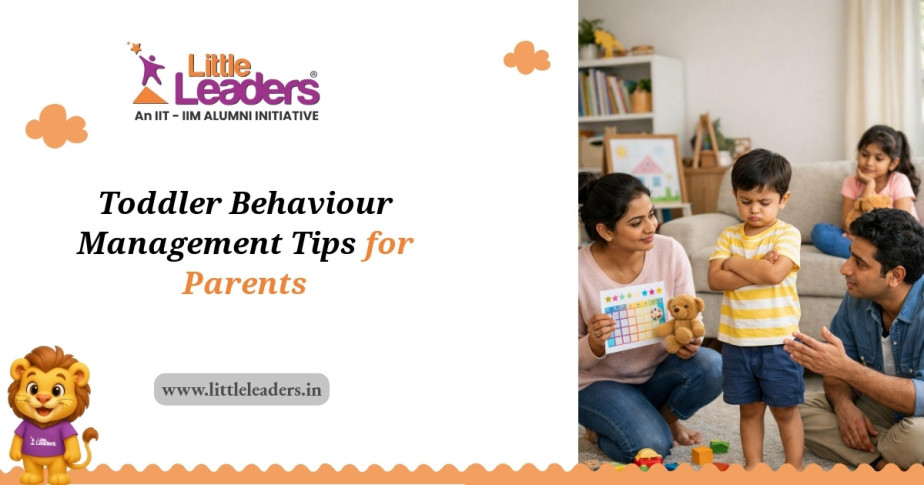
Imagine this: It is early morning, and the sun is just beginning to peek through the curtains. You are already up, preparing breakfast, when you hear the familiar sound of your toddler waking up. As you brace yourself for the day ahead, you cannot help but wonder how to manage the unpredictable behaviour of your little one. Toddler behaviour management tips for parents are on your mind as you navigate each day with your child.
Many parents often find themselves questioning whether they are doing the right things when it comes to managing their toddlers behaviour. The curiosity about effective strategies is not just about maintaining peace at home but ensuring that the child develops in a nurturing environment. The challenge lies in understanding when to be firm and when to be flexible.
This guide will provide you with practical tips and insights into managing your toddlers behaviour. You will learn how to handle tantrums, encourage positive behaviour, and create a supportive and loving atmosphere for your child. Let us explore these strategies together and empower you as a parent.
Below is a detailed guide to help you manage your toddlers behaviour effectively.
Understanding the psychology of toddlers is crucial for effective behaviour management. At this stage, toddlers are developing their sense of independence and autonomy. They are exploring the world around them and testing boundaries. This is why they often say no or throw tantrums. As a parent, recognizing that these behaviours are a normal part of development can help you respond more effectively.
Consider the example of two-year-old Arjun, who loves to explore every nook and cranny of the house. His mother, Priya, noticed that the more she tried to restrict his movements, the more frustrated he became. Priya realized that by allowing Arjun to explore safely under her supervision, he felt more secure and less inclined to act out. This approach is about understanding your childs need for independence while ensuring safety.
By understanding the developmental needs of your toddler, you can create an environment that supports their growth and reduces behavioural issues. This means providing opportunities for exploration, making the home safe, and allowing them to make choices within limits. For instance, you might set up a designated area for safe play, filled with age-appropriate toys that encourage creativity and exploration.
One common mistake parents make is reacting too quickly to their toddlers behaviour without taking a moment to understand the underlying reasons. For example, a parent may scold their child for crying when they do not realize the child is feeling overwhelmed or tired. Instead of reacting with frustration, take a breath and assess the situation. Understanding that a toddlers behaviour is often a form of communication can help you respond more effectively.
Another mistake is being inconsistent with rules and expectations. When parents change their responses based on their mood or the situation, it can confuse the child. For example, if a parent allows a child to skip their nap one day but insists on it the next, the child may become upset and act out. Establishing consistent routines and expectations helps toddlers feel secure and understand what is required of them.
Communication is key in managing toddler behaviour. It is important to communicate clearly and calmly with your toddler. Use simple language that they can understand, and make sure to get down to their level when speaking to them. This helps in making a connection and ensures they are paying attention.
Consider the scenario of three-year-old Neha, who often throws her toys when she is upset. Her father, Raj, learned that instead of raising his voice, he could communicate more effectively by kneeling down to Nehas level and speaking softly. Raj would say, Neha, I see you are upset. Can you tell me what is wrong? By doing so, Neha felt heard and was more willing to express her feelings with words rather than actions. This approach not only helps in calming the situation but also teaches the child valuable communication skills.
Using positive reinforcement and acknowledging your childs feelings can also help in managing behaviour. When your child behaves well, praise them for their good behaviour. This encourages them to repeat the positive actions and helps them understand what is expected. For example, if your child shares their toys with a friend, praise them by saying, I am so proud of you for sharing your toys. This kind of affirmation strengthens the bond and encourages more positive interactions.
As you implement behaviour management strategies, it is essential to recognize the signs of progress in your toddler. One sign is an increased ability to express their feelings verbally rather than through tantrums or physical actions. For instance, if your three-year-old starts saying, I am sad instead of crying, that is a significant step forward in emotional development.
Another sign to watch for is improved listening skills. If your child begins to follow instructions more consistently, such as picking up their toys after playtime without needing reminders, it indicates they are understanding boundaries and expectations better. Additionally, observe if your child shows more patience during playtime, taking turns without prompting. These small victories are essential milestones in their development and indicate that your efforts in behaviour management are paying off.
Setting clear boundaries and being consistent with rules is essential in toddler behaviour management. Toddlers thrive in environments where they know what to expect. Consistency helps them feel secure and understand the consequences of their actions.
For example, four-year-old Riya struggled with bedtime routines. Her parents, Anjali and Vikram, decided to establish a consistent bedtime routine that included a bath, a story, and a goodnight song. By sticking to this routine every night, Riya knew what to expect and bedtime became a smoother process. This predictability not only made bedtime easier but also helped Riya feel more relaxed and secure.
It is important to set boundaries that are age-appropriate and to enforce them consistently. If a rule is broken, calmly explain the consequence and follow through. This teaches your child accountability and helps them learn to respect rules. For instance, if a child throws their toy, a parent can say, If you throw your toys, we will have to put them away for a while. This clear communication helps the child understand the link between their actions and the consequences.
Tantrums and meltdowns are a common part of toddlerhood. They are often a result of frustration or an inability to express emotions. As a parent, it is important to remain calm and composed during these episodes. When five-year-old Aanya refused to do her math worksheet last Tuesday, her father, Rohan, noticed she was overwhelmed. Instead of forcing her, Rohan decided to take a break with Aanya and engage her in a calming activity like drawing. Once she was calm, they returned to the worksheet together. This approach helped Aanya feel supported and reduced her frustration.
Offering a safe space for your child to express their emotions and providing comfort can help manage tantrums. It is also beneficial to teach your child coping mechanisms such as deep breathing or counting to ten when they feel overwhelmed. For example, you can practice deep breathing together by inhaling deeply through the nose and exhaling slowly through the mouth, making it a fun game. This not only helps in calming the child but also equips them with tools to manage their emotions in the future.
Encouraging positive behaviour involves recognizing and reinforcing good actions. This requires patience and consistency from the parents. When your child behaves well, acknowledge it with praise or a small reward. This reinforcement helps them understand which behaviours are desirable.
Six-year-old Veer learns better when he can pace around the room. His teacher, noticing this, allowed him to move around during lessons. This not only improved Veers focus but also encouraged other positive behaviours like participating in class discussions. Parents can adopt similar strategies at home by providing opportunities for movement during learning activities, making the process more enjoyable for the child.
Encouraging positive behaviour also means being a role model. Children learn a lot by observing adults. Demonstrating kindness, patience, and respect in your own actions will encourage your child to mimic these behaviours. For example, if you show appreciation to a cashier or help a neighbor, your child will learn the value of kindness and cooperation through your example.
Play is a powerful tool in managing toddler behaviour. Through play, children learn to express themselves, develop social skills, and understand boundaries. It is also an excellent way for parents to connect with their children and understand their world. For instance, using role-play scenarios can help your child understand different emotions and how to handle them. Playing games that require taking turns or following rules can teach patience and cooperation.
Integrating play into daily routines can make learning and behaviour management more enjoyable for both the parent and the child. It provides an opportunity to bond and creates a positive atmosphere for growth and development. You can incorporate play by turning chores into games, such as racing to see who can put away toys the fastest or singing a song while cleaning up. This not only makes tasks more fun but also teaches responsibility.
Managing the behaviour of a toddler can be challenging and requires a lot of patience. It is important for parents to also take care of themselves. Parental self-care is crucial to maintaining the energy and mindset needed to handle challenging behaviours. Taking time for yourself, whether it is a short walk, a hobby, or simply a moment of relaxation, can help recharge your mind and body. When you are calm and collected, you are better equipped to handle your childs behaviour effectively.
Remember, patience is key. Children are learning and growing every day. Celebrate the small victories and be gentle with yourself as you navigate the ups and downs of parenting. Consider setting aside a few minutes each day for mindfulness or meditation, allowing you to reflect and recharge. This practice can enhance your overall well-being and improve your interactions with your child.
While many parents can manage toddler behaviour with the strategies mentioned, there may be times when additional support is needed. If you notice that your childs behaviour is consistently disruptive or if you feel overwhelmed, it may be beneficial to seek help from a professional. Signs that you may need extra support include persistent tantrums that last longer than usual, difficulty in managing daily routines, or if your child exhibits aggressive behaviour towards others.
Consulting with a pediatrician or a child psychologist can provide guidance and strategies tailored to your childs needs. They can help identify any underlying issues and offer resources to support both you and your child. Remember, seeking help is a sign of strength, and taking care of your childs emotional and behavioural health is a priority.
To manage public tantrums, remain calm and composed. Distract your child with a toy or activity they enjoy. If possible, remove them from the situation to a quieter place where they can calm down. Consistently teach them coping strategies for when they feel overwhelmed. For example, you can practice deep breathing techniques together while walking in a park, making it a fun and engaging activity. This way, your child can learn to manage their emotions in various settings.
Use simple and clear language when communicating with your toddler. Get down to their level and maintain eye contact. Use positive reinforcement and acknowledge their feelings to help them express themselves better. For instance, if your child is upset about something, validate their feelings by saying, It is okay to feel sad. This approach helps them feel understood and encourages them to share their emotions more openly.
Set age-appropriate boundaries and explain them to your child. Be consistent in enforcing rules but also allow some flexibility. Use positive reinforcement to encourage good behaviour and help them understand the importance of boundaries. For example, if your child understands that they can have dessert only after finishing their meal, they will learn to appreciate the structure while feeling rewarded for their good behaviour.
If your child refuses to listen, try to understand the underlying reasons for their behaviour. They may be feeling tired, hungry, or overwhelmed. Instead of raising your voice, calmly repeat your request and offer choices to empower them. For example, you can say, Would you like to put your toys away first or help set the table for dinner? This gives them a sense of control and encourages cooperation.
If you notice persistent behavioural issues that interfere with daily life, it may be time to seek professional help. Signs include frequent tantrums, aggression, or difficulty making friends. Consulting a child psychologist can provide insights and strategies tailored to your childs needs. Remember, seeking help is a proactive step toward ensuring your childs emotional well-being and development.
By implementing these strategies, you can create a harmonious environment where your child feels loved and understood. Imagine a scene where your toddler happily shares their toys with friends, expressing their feelings verbally, and following routines with ease. This vision of success is achievable through your dedication and the effective application of toddler behaviour management tips. For more insights and resources, visit LittleLeaders.in and continue your journey towards effective parenting.